
Prevent Frozen Pipes and Winter Home Disasters
TL;DR
Frozen pipes, roof leaks, ice dams, and heating failures are among the most expensive winter home disasters but they’re also highly preventable. With proactive weather-proofing steps like insulating pipes, sealing drafts, maintaining your roof and heating system, and monitoring warning signs, homeowners can avoid major damage, insurance complications, and costly repairs during extreme cold weather.
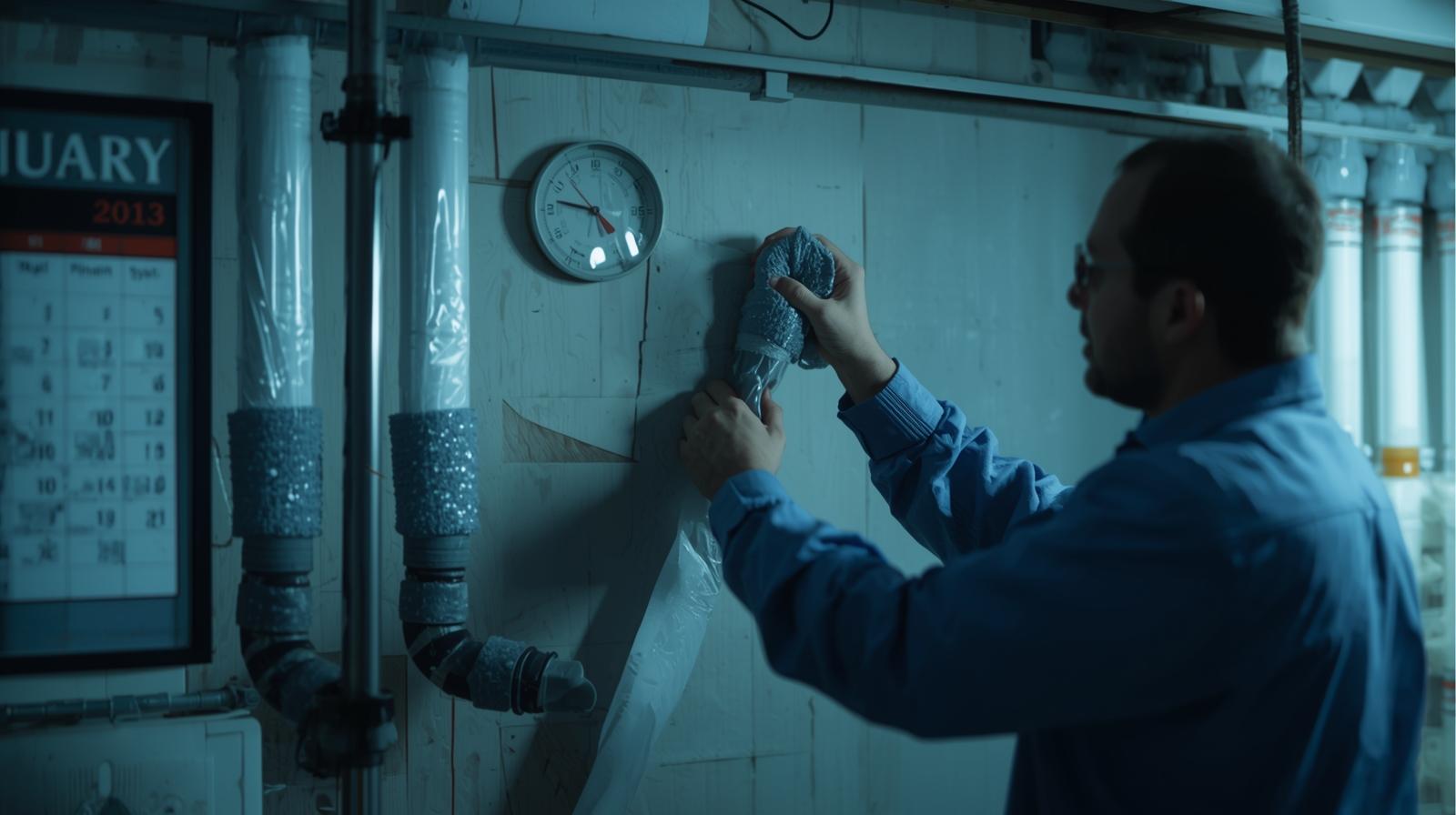
Why Winter Weather Is a Serious Threat to Homes
A powerful Arctic blast can put homes at serious risk especially in regions not built for prolonged cold. Snow, sleet, ice, and sub-zero wind chills increase the likelihood of frozen pipes, water damage, roof leaks, and heating failures.
According to recent surveys, 64% of homeowners worry about frozen pipes, and for good reason. Frozen pipes are one of the most common and costly winter insurance claims. When water freezes, it expands by up to 9%, often causing pipes to burst and release gallons of water into walls, ceilings, and floors.
Insurance companies also expect homeowners to take preventative steps. Lack of maintenance such as failing to insulate pipes or clear gutters can complicate or even jeopardize a claim.
Where Pipes Are Most Likely to Freeze
Certain areas of a home are far more vulnerable during extreme cold, including:
Attics and crawl spaces
Garages, utility rooms, and laundry areas
Exterior walls, especially behind kitchen and bathroom sinks
Outdoor faucets, hose bibs, and irrigation lines
Homes in warmer or southern climates often face higher freeze risk because plumbing is frequently routed through attics or exterior walls that lack proper insulation.
5 Essential Weather-Proofing Steps to Protect Your Home
1. Protect Pipes and Plumbing
Keep indoor temperatures at or above 55°F, even when away
Insulate exposed pipes with foam sleeves or heat tape
Open cabinet doors under sinks during deep freezes
Allow faucets to drip slightly during extreme cold
Locate your main water shutoff valve before an emergency
Vacant home tip: Shut off the main water supply, drain all faucets, and maintain interior heat above 55°F.
2. Seal Drafts and Keep Heat Inside
Cold air infiltration increases heating costs and freeze risk.
Install weather stripping on doors and windows
Reseal and caulk around frames
Seal drafts behind outlets and switches using foam gaskets or caulk
A simple “candle test” can help identify where cold air is entering your home.
3. Secure Outdoor Plumbing and Yard Areas
Disconnect and drain garden hoses and sprinklers
Install insulated faucet covers
Caulk gaps around exterior faucets
Trim dead or overhanging tree branches that could break under ice or snow
4. Prevent Ice Dams and Roof Leaks
Clogged gutters trap melting snow, causing ice dams that force water under shingles and into walls.
Clean gutters at least twice a year
Remove debris near downspouts
Inspect roofs for popped nails or loose shingles
Schedule a professional roof inspection if needed
Proper attic insulation and ventilation are key to preventing freeze-thaw damage.
5. Prepare Heating Systems Safely
Heating equipment is a leading cause of winter house fires, and improper venting can cause carbon monoxide poisoning.
Test smoke and carbon monoxide detectors on every level
Replace furnace filters regularly
Schedule annual heating system inspections
Use space heaters with automatic shutoffs and keep them 3 feet from flammable items
Never use ovens, grills, or kerosene heaters indoors
Warning Signs of a Frozen Pipe
Catching issues early can prevent major damage. Watch for:
Little or no water flow from faucets
Frost or condensation on exposed pipes
Gurgling or unusual noises when turning on water
If you suspect a frozen pipe, shut off the main water supply immediately and warm the pipe slowly using a hair dryer. Never use open flames.
Smart Tech That Can Prevent Major Losses
Water sensors and automatic shutoff devices can detect leaks early and stop water flow before damage spreads. These systems can significantly reduce repair costs and may even help with insurance claims.
Final Thoughts: Prevention Is Cheaper Than Repair
Winter weather can cause serious home damage but most cold-related disasters are entirely preventable. A few proactive steps today can save you from expensive repairs, insurance headaches, and major stress tomorrow.
If you’re a homeowner, investor, or preparing a property for winter, weatherproofing isn’t optional it’s essential.
Frequently Asked Questions
Q: What temperature should I keep my house in winter to prevent frozen pipes?
A: Experts recommend keeping indoor temperatures at or above 55°F, even when you’re away.
Q: Are frozen pipes covered by homeowners insurance?
A: Coverage often applies, but insurers require reasonable maintenance. Failure to insulate pipes or address known risks can complicate claims.
Q: Why are homes in warmer climates more vulnerable to frozen pipes?
A: Plumbing in warmer regions often runs through attics or exterior walls with less insulation, making them more susceptible during unexpected freezes.
Q: How can I tell if a pipe is frozen?
A: Warning signs include reduced water flow, frost on pipes, and unusual noises when turning on faucets.
Q: Is it worth installing water leak sensors?
A: Yes. Leak sensors and automatic shutoff devices can prevent catastrophic damage and thousands of dollars in repairs.
Check out this article next

Prevenga Tuberías Congeladas y Desastres Invernales en el Hogar
Las tuberías congeladas, filtraciones en el techo, diques de hielo y fallas en los sistemas de calefacción se encuentran entre los desastres invernales más costosos…
Read ArticleThinking about buying?
Let's talk through your numbers first.
A 30-minute call covers what you can afford comfortably, what taxes and insurance really cost in the town you're looking at, and which loan programs fit you. You work directly with Alex from the first call to closing.
Schedule a buyer callEnglish or Spanish · Call or text 401-426-4857 · Contact form
196 Waterman St, Providence, RI 02906 · C: (401) 426-4857 · O: (401) 351-2017 · [email protected] · alexparmenidez.realtor