3 Must-Do’s for First-Time Home Buyers
TL;DR
Buying your first home can feel exciting and overwhelming at the same time. A good starting point is focusing on three key steps: building the right team, preparing your finances, and organizing your documents. With the right preparation and guidance, the homebuying process becomes much easier to navigate.
Buying Your First Home: Start One Step at a Time
Purchasing your first home is a major milestone. But because it’s something most people haven’t done before, it can also feel a little intimidating.
The good news is you don’t have to figure everything out at once, and you don’t have to do it alone. When you break the process into manageable steps and work with the right professionals, buying a home becomes much more manageable.
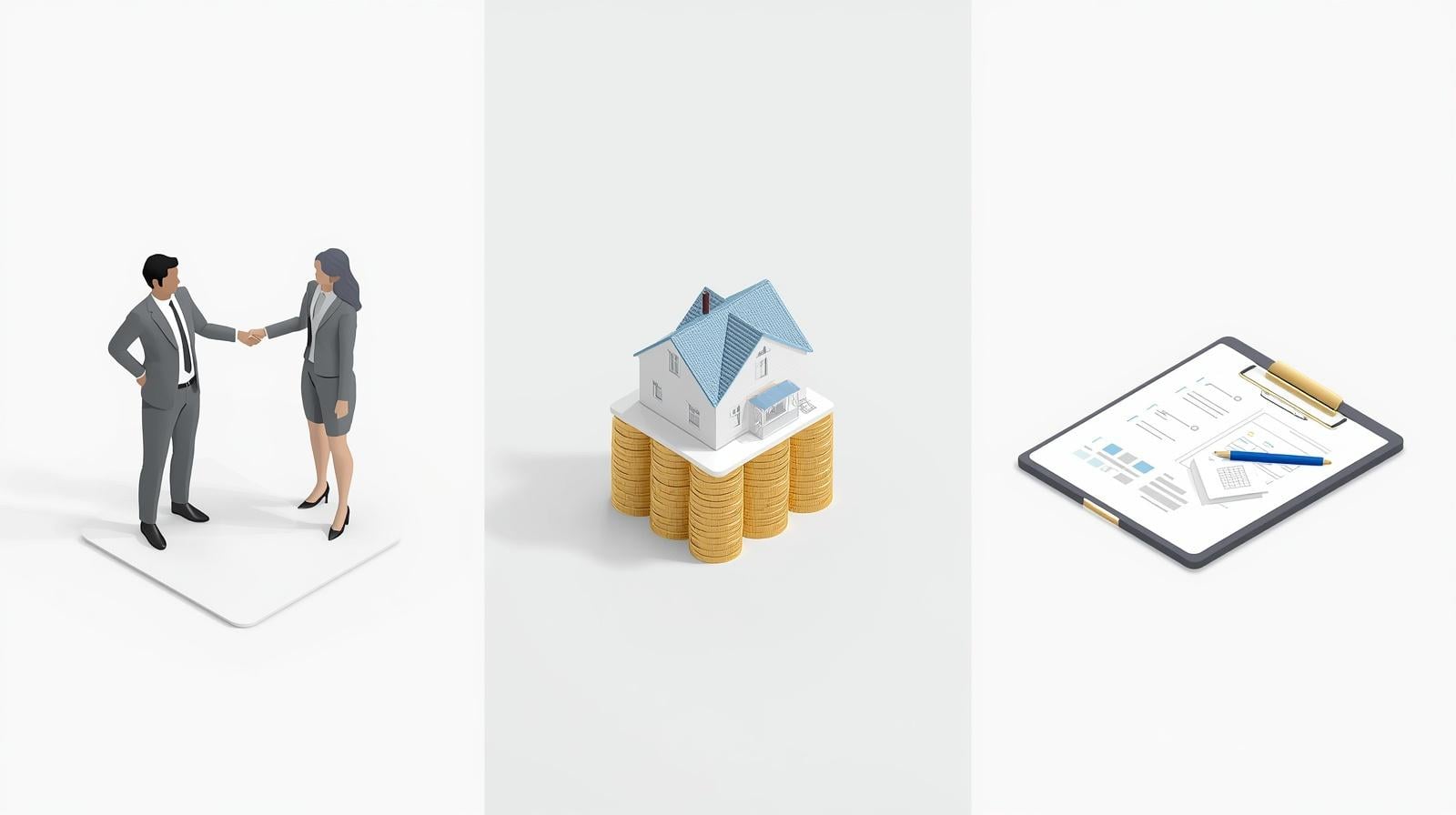
Here are three important things every first-time buyer should focus on.
1. Assemble Your Team: Don’t Do This Alone
Buying a home is a team effort, and having the right professionals by your side can make a big difference.
A local real estate agent
A knowledgeable agent will guide you from the first home showing through closing day. They help you understand the market, navigate negotiations, and make informed decisions.
A trusted lender
Your lender will walk you through mortgage options, estimated monthly payments, and what you can realistically afford. Having this information early helps you focus your home search.
2. Prep Your Finances: Build a Strong Foundation
Your financial readiness plays a major role in what you can afford and how competitive your offer will be.
Here are a few key steps to prepare:
- Check your credit score: Your credit score affects the loan options available to you and the interest rate you may qualify for.
- Save for your down payment and closing costs: Many buyers focus only on the down payment, but closing costs are also important. Planning for both helps avoid last-minute surprises.
- Look into assistance programs: Many first-time buyers qualify for programs that can help with down payments or closing costs.
- Talk to a lender about mortgage options: Loan types such as FHA, VA, adjustable-rate, and conventional mortgages all work differently. Understanding the options helps you choose what best fits your goals.
- Get pre-approved: A mortgage pre-approval shows how much a lender may be willing to loan you. This helps you define your price range and move quickly when you find the right home.
- Set a realistic budget: Your mortgage payment is only part of homeownership. Utilities, insurance, taxes, and maintenance should all be factored into your monthly budget.
3. Gather Your Documents: Save Time and Stress
Once you’re ready to begin the mortgage process, lenders will need to verify your income, assets, and financial history.
Having your documents ready ahead of time can speed up the approval process and reduce delays. Most lenders typically ask for:
- W-2 forms and tax returns from the past two years
- Recent pay stubs (usually the last 1–2 months)
- Bank statements from the past 2–3 months
- Investment account statements if applicable
- A copy of your driver’s license or ID
- Residential history for the past two years
- Statements for outstanding debts such as student loans, car loans, or credit cards
- Proof of additional income, including bonuses, commissions, or side work
Keep in mind that document requirements can vary by lender, but preparing these items early is a helpful starting point.
Bottom Line
Buying your first home doesn’t mean you have to have every detail figured out right away.
What matters most is having a plan.
When you prepare your finances, organize your documents, and surround yourself with the right professionals, you’ll be in a strong position when it’s time to make an offer.
With the right preparation and guidance, the homebuying process can be far less stressful and much more rewarding.
Frequently Asked Questions
Q: What is the first step for a first-time home buyer?
A: One of the first steps is speaking with a lender and getting pre-approved to understand how much you may be able to borrow.
Q: How much money do I need to buy a home?
A: The amount varies depending on the loan type and home price, but buyers typically need funds for a down payment and closing costs.
Q: What documents do lenders usually require?
A: Lenders commonly request tax returns, W-2s, pay stubs, bank statements, and identification.
Q: What is a mortgage pre-approval?
A: A pre-approval is a lender’s preliminary review of your finances to estimate how much you may qualify to borrow for a home loan.
Q: Do I need a real estate agent to buy a home?
A: It’s not required, but working with an experienced agent can help you navigate the process, negotiate effectively, and avoid common mistakes.
Check out this article next

Preguntas de Reflexión Antes de Comprar una Casa
Comprar una casa es una de las decisiones financieras y de estilo de vida más importantes que tomarás. Antes de comenzar el proceso, es importante…
Read ArticleThinking about buying?
Let's talk through your numbers first.
A 30-minute call covers what you can afford comfortably, what taxes and insurance really cost in the town you're looking at, and which loan programs fit you. You work directly with Alex from the first call to closing.
Schedule a buyer callEnglish or Spanish · Call or text 401-426-4857 · Contact form
196 Waterman St, Providence, RI 02906 · C: (401) 426-4857 · O: (401) 351-2017 · [email protected] · alexparmenidez.realtor