
What Can Make a Home Difficult to Sell?
TL;DR
A home can be difficult to sell for many reasons, but the most common problems are usually price, condition, presentation, location, or competition. Even in a strong real estate market, buyers have choices, and a property that is overpriced or poorly presented can sit on the market longer than comparable homes.
If your home isn't getting showings or offers, the solution isn't always a major renovation. Sometimes a strategic price adjustment, better presentation, or addressing one or two important concerns can make a significant difference.
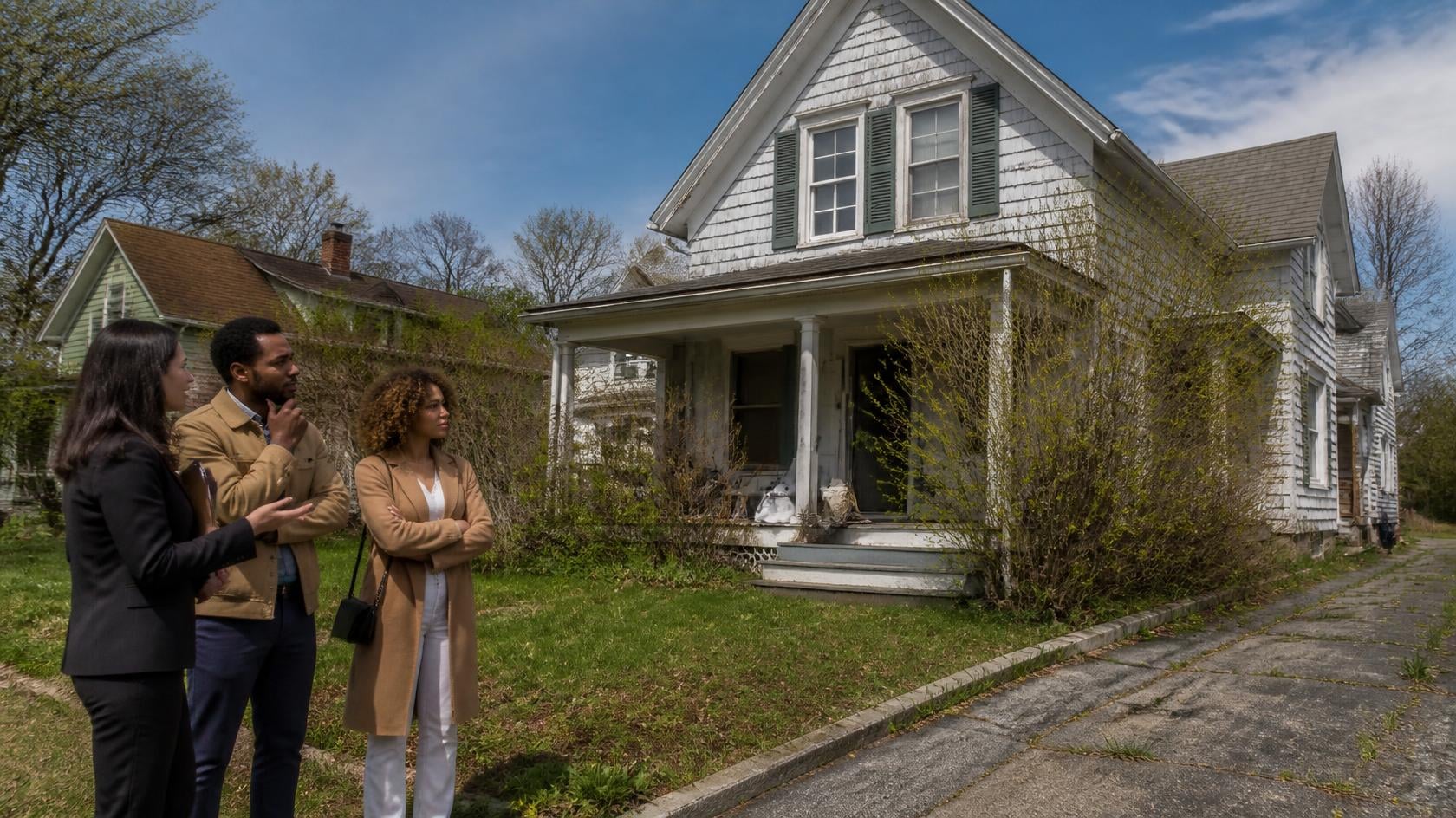
An Unrealistic Asking Price Can Make a Home Hard to Sell
One of the biggest reasons a home struggles to sell is simple: the asking price doesn't match what buyers believe the property is worth.
Sellers naturally want to maximize their equity, especially after investing years of money, time, and maintenance into their property. But buyers don't determine value based on what the seller needs to make from the sale. They compare the property with other homes currently available and recently sold homes with similar characteristics.
An overpriced home can lose momentum quickly. Buyers may skip the listing entirely, resulting in fewer showings and less competition. If the property eventually requires a price reduction, it may already have accumulated several weeks or months on the market, which can create additional questions from buyers.
This is why pricing strategy matters so much when selling a home in Rhode Island. A comparative market analysis can help establish a realistic range based on recent sales, competing listings, location, condition, size, and other property-specific factors.
The goal isn't necessarily to list for the lowest possible price. The goal is to position the property where the largest number of qualified buyers will recognize its value.
Property Condition Can Influence Buyer Decisions
Buyers don't expect every home to be perfect, but obvious maintenance problems can make a property much harder to sell.
A leaking roof, outdated electrical system, plumbing concerns, water intrusion, damaged flooring, old mechanical systems, or visible structural issues can cause buyers to worry about how much additional money they will need after closing.
The challenge becomes even greater when buyers have multiple homes to choose from. If one property is move-in ready while another requires significant repairs at a similar price, many buyers will naturally gravitate toward the home that feels easier and more predictable.
That doesn't mean sellers need to remodel the entire house before listing. In many cases, the most effective improvements are relatively simple: repairing visible damage, fixing minor leaks, addressing peeling paint, replacing broken fixtures, improving lighting, and taking care of deferred maintenance.
It is also important to distinguish between necessary repairs and optional upgrades. Spending $30,000 on a renovation doesn't necessarily mean you'll receive $30,000 more when you sell. Before making major improvements, consider whether the project actually addresses something buyers are likely to notice or whether the money would be better spent elsewhere.
Poor Presentation Can Reduce Interest Before Buyers See the Home
Sometimes a home isn't difficult to sell because something is fundamentally wrong with it. It is difficult to sell because buyers aren't seeing its potential.
First impressions matter, particularly online. Most buyers begin their search by looking at photographs, property details, and listing information. If the photos are dark, cluttered, poorly composed, or don't showcase the home's best features, buyers may never schedule a showing.
The same applies to the physical presentation of the property.
Excessive clutter, strong odors, neglected landscaping, dirty windows, crowded rooms, and personal belongings throughout the home can make it difficult for buyers to imagine themselves living there.
Simple preparation can make a meaningful difference. Decluttering, deep cleaning, improving curb appeal, maximizing natural light, and making rooms feel more spacious can help the property photograph and show better.
Professional photography can also be valuable because the listing's online presentation is often the first opportunity to capture a buyer's attention.
A home doesn't have to look like a magazine. It needs to look clean, cared for, functional, and appropriately presented for its market.
Location and Property Features Can Limit the Buyer Pool
Some factors are simply more difficult for a seller to change.
Location is one of them.
A property may be located near a busy road, have limited parking, be far from major employment centers, or have other characteristics that narrow the number of potential buyers. These factors don't necessarily make a home undesirable, but they can reduce the size of the buyer pool.
Certain property features can have a similar effect. Unusual layouts, very small bedrooms, limited storage, difficult access, no outdoor space, or a lack of essential features for the local market can make a property harder to compare with conventional homes.
The important thing is to understand that a challenging feature doesn't automatically make a property unsellable. It means the pricing strategy may need to account for it.
For example, a home with limited parking may still appeal to the right buyer if it is priced appropriately and offers other advantages such as location, condition, character, or a larger lot.
Instead of trying to hide a property's limitations, sellers should work with their agent to understand how those characteristics affect market value and how to highlight the home's strongest features.
Competition, Timing, and Market Conditions Matter
Even a beautiful home can take longer to sell if buyers have too many alternatives.
Imagine several similar properties in the same Rhode Island neighborhood are listed at approximately the same time. If your home is priced higher, needs more work, or doesn't show as well as the competition, buyers may choose another property.
This is why sellers should evaluate current competition, not just historical sales.
Market conditions can also affect the amount of time a home takes to sell. Mortgage rates influence buyer affordability, inventory affects competition, and local demand can vary significantly from one town or price range to another.
Timing matters, too, although it should not be viewed in isolation. Spring and summer often bring increased buyer activity, but motivated buyers purchase homes throughout the year. A properly priced and well-prepared property can still sell during the fall or winter.
If your home has been listed for several weeks without meaningful activity, it's worth asking a few important questions:
- Is the price competitive with current listings?
- Are the online photos attracting attention?
- Is the home showing well?
- Are there obvious repairs buyers are concerned about?
- Has the market changed since the property was listed?
- Are comparable homes selling at different prices?
- Is there something about the property limiting the buyer pool?
Sometimes the answer is one issue. Sometimes several factors are working together.
Frequently Asked Questions
Why isn't my house selling?
The most common reasons include an unrealistic asking price, property condition, poor presentation, location challenges, limited buyer demand, or competition from better-priced comparable homes. Identifying the specific problem is more useful than simply waiting for a buyer to appear.
Does an overpriced home eventually sell?
It can, but overpricing often reduces showings and increases the time a property spends on the market. A longer listing period can eventually lead to price reductions and may make buyers wonder whether there is another issue with the property.
Should I renovate my home before selling it?
Not necessarily. Some repairs and improvements can help a home sell, but major renovations don't always provide a dollar-for-dollar return. Sellers should evaluate the property's condition, competition, price range, and likely buyer expectations before investing heavily.
Can bad photos make a house harder to sell?
Yes. Online listings are often a buyer's first impression of a property. Dark, cluttered, or poorly composed photos can reduce interest and result in fewer showings, even when the home itself has desirable features.
What should I do if my home isn't getting showings?
Start by reviewing the listing price, photography, property description, condition, and current competition. If comparable homes are receiving activity while yours isn't, that can be an important signal that something about the property's positioning needs to change.
By Alex Parmenidez, Broker Associate | Coldwell Banker Realty
Alex Parmenidez | Broker Associate Licensed in RI, CT, & MA | Coldwell Banker Realty
196 Waterman St, Providence, RI 02906
C: (401) 426-4825 | O: (401) 351-2017
Check out this article next
¿Qué Puede Hacer que una Casa Sea Difícil de Vender?
Una casa puede ser difícil de vender por muchas razones, pero los problemas más comunes suelen ser el precio, el estado de la propiedad, la…
Read Article