
What Does It Mean When a Home Has an Oil Heating System?
TL;DR
An oil heating system means the home uses heating oil as its primary fuel source to produce heat. Oil heat is common throughout Rhode Island and New England, particularly in older homes, and it can provide reliable heating during cold winters. Buyers should understand the type and age of the heating equipment, oil tank condition, maintenance history, fuel costs, and insurance considerations before purchasing a home with an oil heating system.

How Does an Oil Heating System Work?
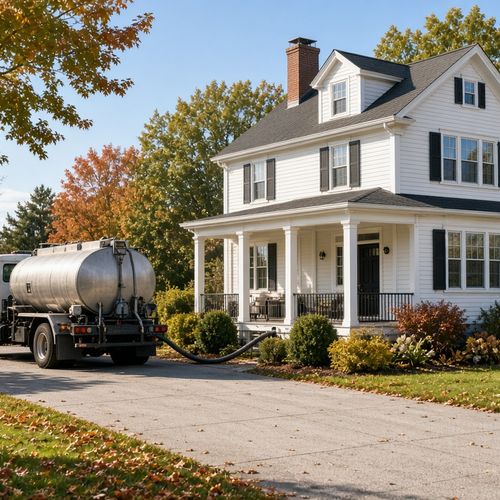
When a home has oil heat, heating oil is stored in a tank on the property and delivered to a furnace or boiler when the system needs fuel. The heating equipment burns the oil to generate heat, which is then distributed throughout the home.
Depending on the system, that heat may be delivered through baseboard radiators, radiators, or a forced-air duct system.
Many Rhode Island homes use oil-fired boilers that circulate hot water through baseboards or radiators. This type of system can provide consistent, comfortable heat throughout the home.
Unlike natural gas systems that are connected to a utility line, an oil-heated home generally requires the homeowner to monitor the fuel supply and schedule oil deliveries.
For a buyer who has always lived in a home with gas or electric heat, this may be one of the biggest differences to understand before purchasing.
The system itself isn't necessarily a problem. Oil heating has been used successfully in New England homes for decades. What matters is the condition and efficiency of the equipment and the homeowner's ability to maintain it properly.
What Should Buyers Know About Heating Oil Costs?
One of the biggest questions buyers have is how much it costs to heat an oil-heated home.
The answer varies significantly depending on the size of the property, insulation, windows, thermostat settings, outdoor temperatures, equipment efficiency, and the price of heating oil.
That's why buyers shouldn't rely on a general statement such as "oil heat is expensive." The actual cost of operating one home can be very different from another.
Before purchasing, ask whether the seller can provide historical oil usage or delivery records. Looking at an entire year can give you a much better picture than knowing how much oil was purchased during one month.
It's also important to understand that oil prices fluctuate. Your future heating expenses won't necessarily be identical to the seller's historical costs.
Buyers should also find out how large the oil tank is and approximately how frequently it needs to be filled during the heating season.
If you're purchasing in Rhode Island, Massachusetts, or Connecticut, winter heating should be an important part of your overall homeownership budget. Your mortgage payment is only one part of the monthly cost of owning the property.
How Important Is the Oil Tank?
The oil tank deserves special attention when purchasing a home with oil heat.
First, determine where the tank is located. It may be inside the basement or another protected area, or it may be located outside the home.
Then find out the tank's age, type, installation history, and condition. Older tanks deserve particularly careful evaluation because leaks can create environmental and financial problems.
Buyers should not assume that an oil tank is fine simply because the heating system is currently operating.
A home inspection can identify visible concerns, but depending on the tank's age, location, and condition, buyers may want additional evaluation by an appropriate professional.
The property's insurance requirements should also be considered. Insurance companies can have different requirements regarding oil tanks and heating systems, particularly when equipment is older or located outside.
If you're considering buying a home with an older oil tank, speak with your insurance provider early in the transaction rather than waiting until the last minute.
Knowing the condition of the tank before closing gives you a much better opportunity to make an informed decision.
What Maintenance Does Oil Heat Require?
Oil heating systems require regular maintenance to operate safely and efficiently.
A professional should service the furnace or boiler according to the manufacturer's recommendations and local requirements. Regular service can help identify issues before they become major heating problems, particularly before the winter season.
Ask the seller for available maintenance records. These can tell you whether the system has been serviced regularly and whether repairs or replacement parts have been needed.
Buyers should also find out the age of the furnace or boiler. An older system isn't automatically a reason to reject a home, but it may mean you need to plan for eventual replacement.
The same principle applies to other major components of the heating system.
When evaluating a home, think about the entire system: the heating equipment, oil tank, distribution system, controls, and overall energy efficiency of the property.
A well-maintained oil heating system can continue operating for many years, while a neglected system may create higher costs and unexpected problems.
Should You Avoid Buying a Home With Oil Heat?
Not necessarily.
Oil heat is still common in New England, and many homeowners are comfortable with it. The important thing is understanding what you're buying.
Before making a decision, ask:
- How old is the heating system?
- When was it last professionally serviced?
- What type of system is it?
- How old is the oil tank?
- Where is the tank located?
- Are there maintenance or service records?
- How much oil does the home typically use?
- What are the property's historical heating costs?
- Can the home be properly insured?
- Are there other heating or cooling systems available?
- Is the home adequately insulated?
You should also consider the possibility of future upgrades. Some homeowners eventually replace older oil systems with heat pumps or other heating technologies, while others continue using oil because the existing system works well for their needs.
The right choice depends on the home's condition, your budget, your comfort preferences, and your long-term plans.
An oil heating system shouldn't automatically eliminate a property from consideration. Instead, it should become part of your due diligence before buying.
Frequently Asked Questions
Is oil heat common in Rhode Island?
Yes. Oil heating is common throughout Rhode Island and other parts of New England, particularly in older homes that were built before natural gas or newer heating technologies became more widely available.
Is oil heat expensive compared with other heating systems?
The cost depends on factors including oil prices, the home's size and insulation, the efficiency and condition of the heating equipment, and how much heat the household uses. Buyers should request historical oil usage rather than relying on general assumptions.
How often does an oil heating system need maintenance?
Oil-fired heating equipment should receive professional maintenance according to the manufacturer's recommendations. Many homeowners schedule service before or during the heating season to help keep the system operating safely and efficiently.
How long does an oil tank last?
There isn't one guaranteed lifespan for every oil tank. Age, material, installation, location, maintenance, and environmental conditions can all affect its condition. Older tanks should be evaluated carefully before purchasing a home.
Should I get an oil tank inspected when buying a home?
If the tank is older, shows signs of deterioration, is located underground, or raises concerns during the home inspection, additional professional evaluation may be appropriate. Buyers should also confirm insurance requirements before closing.
By Alex Parmenidez, Broker Associate | Coldwell Banker Realty
Alex Parmenidez | Broker Associate Licensed in RI, CT, & MA | Coldwell Banker Realty
196 Waterman St, Providence, RI 02906
C: (401) 426-4825 | O: (401) 351-2017
Check out this article next
¿Qué Significa que una Casa Tenga un Sistema de Calefacción de Aceite?
Un sistema de calefacción de aceite significa que la vivienda utiliza aceite de calefacción como su principal fuente de combustible para producir calor.
Read Article