
Sell a House With Storm Damage in Rhode Island
TL;DR
Selling a house with storm damage in Rhode Island is possible, but homeowners should understand the property's condition, insurance options, disclosure responsibilities, and potential buyer concerns before listing. Depending on the damage, sellers may choose to repair the property, sell it as-is, or explore other options. Documenting the damage and working with the right professionals can help make the selling process more organized and transparent.
Can You Sell a House With Storm Damage in Rhode Island?
Yes, you can sell a house with storm damage in Rhode Island. The key question is how the damage affects the property's condition, value, safety, insurability, and marketability.
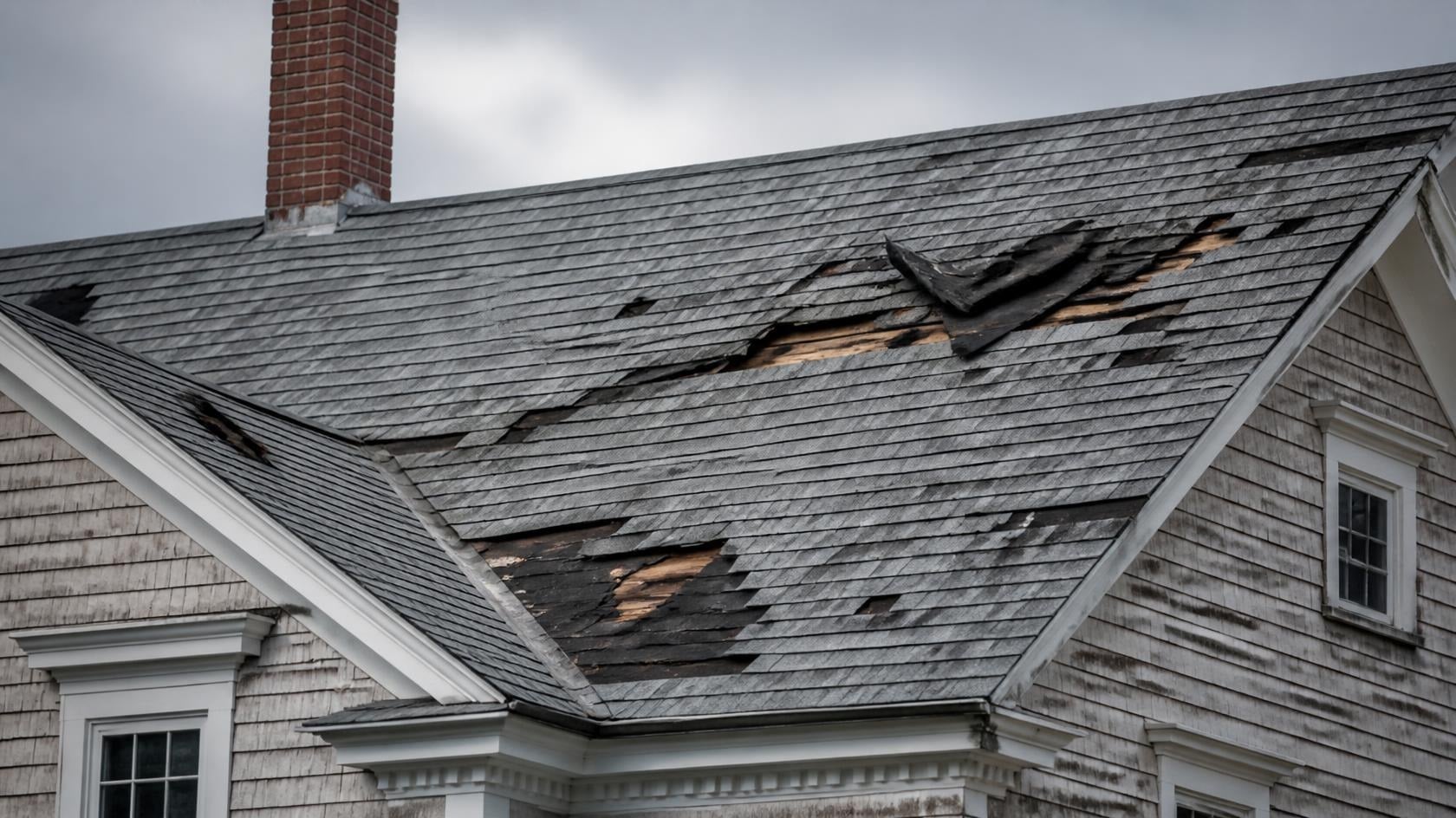
Storm damage can include problems caused by hurricanes, heavy rain, flooding, wind, fallen trees, ice, snow, or other severe weather. Depending on the situation, a property may have:
- Roof damage
- Water intrusion
- Basement flooding
- Damaged siding or windows
- Fallen trees
- Structural damage
- Electrical or plumbing problems
- Mold or moisture issues
- Damaged heating or cooling equipment
Before putting the home on the market, determine what happened and document the condition as thoroughly as possible.
Take photographs and keep records of repairs, estimates, insurance claims, invoices, and communications with contractors or insurance professionals.
A buyer may be willing to purchase a storm-damaged property, particularly if the price reflects its condition. However, buyers and their lenders may require additional inspections, documentation, or repairs depending on the severity of the damage and the type of financing being used.
Should You Repair Storm Damage Before Selling?
There is no universal answer. The right approach depends on the extent of the damage, the cost of repairs, insurance coverage, your timeline, and the property's potential market value after repairs.
For minor damage, making repairs before listing may improve the home's presentation and reduce concerns during inspections.
For significant damage, however, repairing everything may require a substantial investment. In some circumstances, a seller may prefer to sell the property in its current condition rather than spend money on extensive renovations.
Before deciding, consider obtaining professional estimates for the necessary work.
You should also determine whether an insurance claim has been filed and whether the damage may be covered under your policy. Insurance coverage depends on the specific policy, cause of damage, exclusions, deductibles, and circumstances of the loss.
Do not assume that every type of storm or water damage is covered.
Speaking with your insurance professional can help you understand your specific policy, while a qualified contractor can explain the scope and estimated cost of repairs.
A real estate professional can then help you understand how the property's condition may affect the way it is marketed.
What Do Rhode Island Sellers Need to Disclose About Storm Damage?
Disclosure is an important part of selling a home with storm damage.
Rhode Island sellers should be prepared to provide accurate information about known material defects and relevant property conditions. Storm-related problems may become particularly important if they affected the roof, structure, basement, electrical systems, plumbing, or other significant components of the home.
Sellers should not assume that completing a repair means the history of the problem no longer matters.
Keep documentation showing what happened, what was repaired, who completed the work, and whether permits or inspections were involved when applicable.
Useful records may include:
- Insurance claim information
- Contractor estimates
- Repair invoices
- Before-and-after photographs
- Inspection reports
- Receipts for replacement materials
- Permit documentation, when applicable
If you are unsure whether a particular issue needs to be disclosed, discuss the situation with an appropriate Rhode Island real estate or legal professional.
Being transparent about known property conditions can help buyers evaluate the home and reduce confusion later in the transaction.
Can You Sell a Storm-Damaged House As-Is?
Yes, a homeowner can market a property in its existing condition, but "as-is" does not mean that a seller can ignore known problems or applicable disclosure requirements.
Selling as-is generally means the buyer understands that the seller is not agreeing to make certain repairs before closing. The buyer can still conduct inspections and may negotiate based on what those inspections reveal.
The property's condition can also affect financing.
Some buyers may use conventional financing, while others may consider renovation financing or cash purchases depending on the circumstances. If the property has serious damage that affects safety or habitability, certain mortgage programs may have additional requirements.
This is why sellers should understand the property's condition before deciding how to market it.
A seller may want to compare the potential costs and benefits of:
Repairing before listing:
This may make the home more attractive to buyers who want a move-in-ready property, but it requires upfront money and time.
Selling as-is:
This can reduce the seller's repair responsibilities before closing, but the property's condition may affect the buyer pool and offers.
Completing only essential repairs:
Addressing safety, water intrusion, or other urgent problems may improve the property's condition without requiring a complete renovation.
The best approach depends on the individual property and the seller's goals.
How Can You Sell a Storm-Damaged House in Rhode Island?
Start by understanding exactly what you are selling.
Have the property evaluated, document the storm damage, and gather insurance and repair records. If necessary, obtain contractor estimates so you understand the potential cost of restoring the property.
Next, discuss your options with a Rhode Island real estate professional who has experience working with homes that require repairs.
Your agent can help you consider the property's condition, potential buyer concerns, comparable properties, pricing strategy, and whether an as-is sale or repairs make sense for your situation.
It is also important to consider timing.
If the property has active water intrusion or additional damage could occur, delaying repairs may make the situation more complicated. Addressing urgent problems can help protect the property while you determine your selling strategy.
When marketing the home, provide buyers with accurate information about its condition and clearly explain what work has already been completed and what remains.
Storm damage does not automatically make a Rhode Island home impossible to sell. With proper documentation, realistic expectations, and a clear understanding of the property's condition, homeowners can evaluate their available selling options and determine the next steps.
Frequently Asked Questions
Can I sell my Rhode Island house if it has storm damage?
Yes. A storm-damaged house can be sold, but the property's condition, required repairs, insurance situation, and applicable disclosure requirements should be addressed before and during the sale.
Should I repair storm damage before selling my house?
Not always. Minor repairs may improve the property's presentation, while extensive repairs may require a significant investment. Sellers should compare repair estimates with their selling goals and discuss the property's condition with a qualified real estate professional.
Do I have to disclose storm damage when selling a house in Rhode Island?
Sellers should disclose known material property conditions as required by applicable Rhode Island law and the transaction documents. Storm damage affecting significant parts of the property can be particularly important to disclose. When uncertain about a legal disclosure obligation, consult a qualified professional.
Can I sell a storm-damaged house as-is?
Yes, a property can generally be marketed and sold in its existing condition. However, selling as-is does not eliminate applicable disclosure obligations, and buyers may still conduct inspections and negotiate based on the property's condition.
Will a mortgage lender finance a storm-damaged house?
It depends on the severity of the damage, the property's condition, the loan program, and the lender's requirements. Significant safety or structural issues may create additional requirements. Buyers should discuss the property's condition with their lender before relying on a particular financing option.
Thinking about buying?
Let's talk through your numbers first.
A 30-minute call covers what you can afford comfortably, what taxes and insurance really cost in the town you're looking at, and which loan programs fit you. You work directly with Alex from the first call to closing.
Schedule a buyer callEnglish or Spanish · Call or text 401-426-4857 · Contact form
196 Waterman St, Providence, RI 02906 · C: (401) 426-4857 · O: (401) 351-2017 · [email protected] · alexparmenidez.realtor
Check out this article next

Vender una Casa con Daños por Tormentas en Rhode Island
Vender una casa con daños por tormentas en Rhode Island es posible, pero los propietarios deben comprender la condición de la propiedad
Read Article