
Do Homes with Solar Panels Increase Resale Value? What Buyers and Sellers Should Know
TL;DR
Solar panels can increase a home’s resale value, but the impact depends on ownership, system quality, energy savings, and buyer perception. In markets like Rhode Island, Massachusetts, and Connecticut, energy-efficient homes are increasingly attractive, but solar systems must be properly structured to maximize value. Understanding the details helps sellers price correctly and avoid surprises during negotiations.
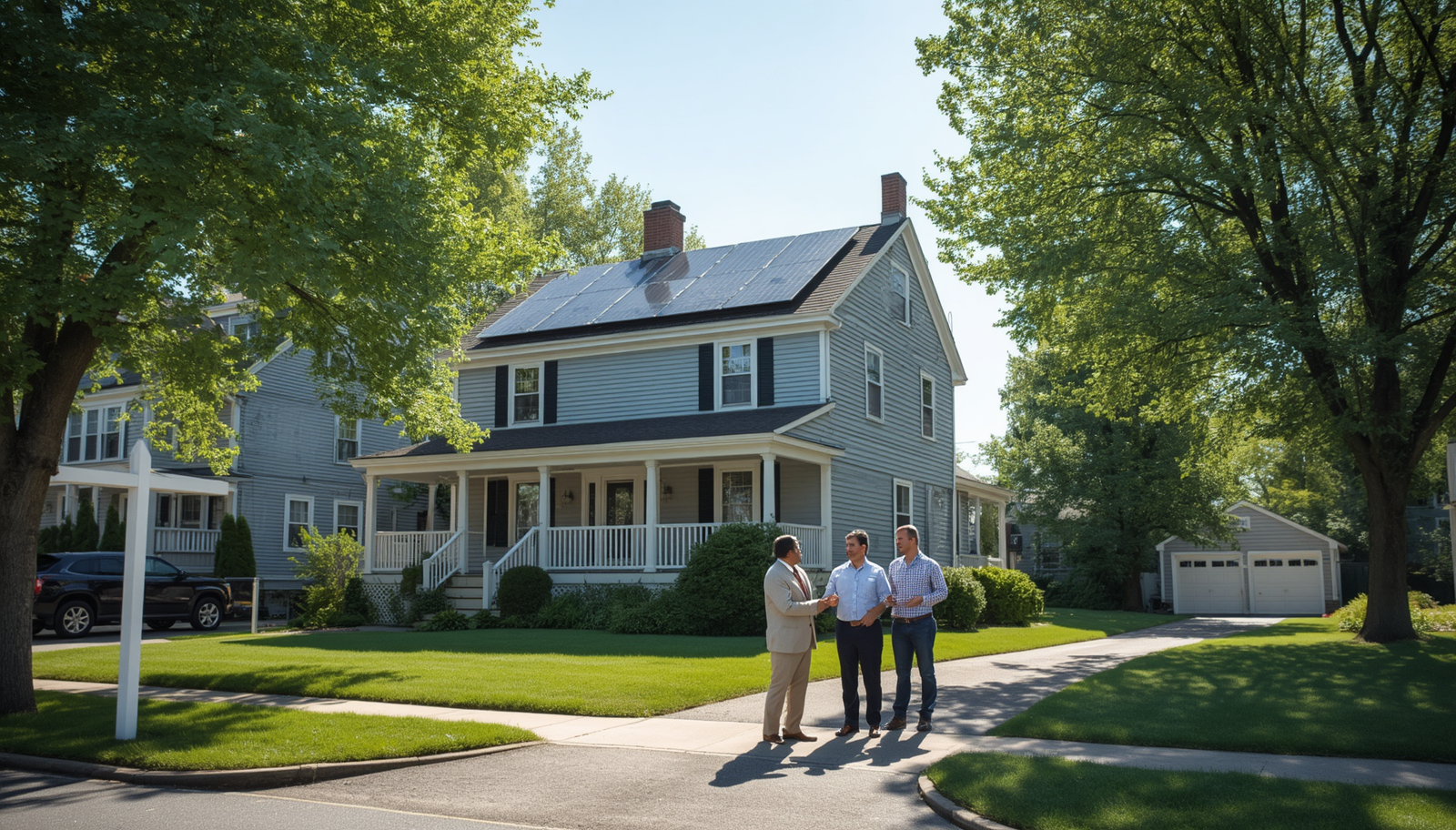
What Solar Panels Mean for Home Value
Solar panels are no longer a niche upgrade. They are now considered a mainstream energy-efficient feature that can influence buyer interest and resale value.
For many buyers, especially in New England, solar energy represents long-term utility savings and a lower environmental footprint. This is particularly relevant in states like Rhode Island, Massachusetts, and Connecticut where electricity costs are higher than the national average.
However, solar does not automatically increase home value in every case. The financial benefit depends on system ownership, production efficiency, and how well the system integrates with the home’s overall condition.
Do Solar Panels Increase Resale Value?
In many cases, yes—solar panels can increase resale value, especially when the system is fully owned and generates meaningful energy savings.
In Rhode Island and Massachusetts, where renewable energy incentives and net metering programs are common, buyers often view solar homes as a long-term cost-saving investment. Connecticut buyers are also increasingly aware of energy-efficient housing trends, particularly in suburban markets.
Long-tail search trends such as “do solar panels increase home value in Massachusetts” or “selling a house with solar panels in Rhode Island” reflect growing interest in this topic.
That said, the increase in value is not always equal to the installation cost. Instead, buyers typically evaluate:
- Monthly utility savings
- Remaining system lifespan
- Warranty coverage
- Transferability of incentives
Factors That Determine How Much Value Solar Adds
Not all solar systems impact resale value the same way. Several key factors determine whether solar panels will help or hurt your home’s marketability.
The most important factors include:
- Whether the system is owned or financed
- Age and condition of the panels
- Energy production levels
- Roof condition underneath the system
- Local utility rates and incentives
- Transferability of warranties and agreements
Homes with high-performing, fully owned systems tend to see the strongest positive impact on resale value. Poorly maintained or outdated systems may have less influence or require additional explanation during negotiations.
Owned vs. Leased Solar Panels: Why It Matters
One of the most important distinctions buyers evaluate is whether the solar system is owned outright or leased.
Owned systems are generally seen as a property upgrade, similar to a new roof or HVAC system. They can increase perceived value and make the home more attractive to energy-conscious buyers.
Leased systems, however, can sometimes complicate a sale. Buyers may be required to assume the lease, which adds another layer of financial consideration and approval.
In competitive real estate markets across Rhode Island, Massachusetts, and Connecticut, homes with fully owned solar systems tend to attract more straightforward offers compared to leased arrangements.
Understanding this difference is critical when pricing and marketing a home with solar panels.
Buyer Perception and Market Demand for Solar Homes
Buyer perception plays a major role in how solar affects resale value. Even when financial savings are clear, buyers may still have questions about maintenance, efficiency, and long-term performance.
In today’s market, many buyers actively search for energy-efficient homes using phrases like “homes with solar panels for sale in CT” or “energy-efficient homes in Rhode Island.” This indicates a growing demand trend, especially among younger buyers and environmentally conscious households.
However, concerns may include:
- Uncertainty about system performance
- Confusion about energy savings
- Concerns over roof condition
- Fear of additional contracts or obligations
Clear documentation and transparent communication can help reduce hesitation and improve buyer confidence.
Selling a Home with Solar Panels: Practical Tips
If you are planning to sell a home with solar panels, preparation is key. A well-documented system can help support your asking price and improve negotiation outcomes.
Helpful steps include:
- Gather all installation and warranty documents
- Provide recent utility bills showing energy savings
- Confirm system ownership status clearly
- Ensure the roof condition is in good shape
- Work with a real estate professional familiar with solar homes
In Rhode Island, Massachusetts, and Connecticut, where energy efficiency is becoming more important in real estate decisions, presenting solar as a clear benefit rather than a complication can make a meaningful difference in buyer response.
Proper marketing also matters. Highlighting lower utility costs and long-term energy savings can position your home more competitively in the local market.
Frequently Asked Questions
Do solar panels always increase home value?
Not always. Solar panels can increase value, but the impact depends on system ownership, efficiency, local utility costs, and buyer demand in the area.
Are owned solar panels better for resale than leased systems?
Yes. Owned systems are typically more attractive because they are treated as a home improvement. Leased systems may require buyers to assume a contract, which can complicate the sale.
How do solar panels affect home appraisals?
Appraisers may consider energy savings, system age, and ownership status when evaluating value. However, the impact varies depending on local market data and comparable sales.
Do solar panels help homes sell faster?
In many cases, yes. Energy-efficient homes often attract more buyer interest, especially in markets like Rhode Island, Massachusetts, and Connecticut where utility costs are higher.
What should sellers disclose about solar panels?
Sellers should disclose ownership status, lease agreements (if any), warranties, and system performance information. Full transparency helps avoid delays during inspection and financing.
Check out this article next

¿Cómo Funcionan las Negociaciones de Inspección al Vender una Casa?
Las negociaciones después de una inspección de vivienda son una parte común del proceso de venta de una casa.
Read ArticleThinking about selling?
Know what you'd actually walk away with.
Alex prepares a written net-proceeds estimate from live comparable sales, your payoff, closing costs and taxes, so you can decide on timing with real numbers. A 30-minute call, no obligation to list.
Schedule a net-proceeds callEnglish or Spanish · Call or text 401-426-4857 · Contact form
196 Waterman St, Providence, RI 02906 · C: (401) 426-4857 · O: (401) 351-2017 · [email protected] · alexparmenidez.realtor