
First-Time Homebuyer Guide: Rhode Island
TL;DR
First-time buyers in Rhode Island have access to FHA loans with down payments as low as 3.5%, state-backed assistance through RIHousing, and a purchase process shaped by the state’s older housing stock and specific transfer-tax rules. The biggest advantages are the low-barrier loan programs; the biggest surprises tend to be inspection findings and lead-related disclosures on pre-1978 homes, which are common across Providence County.
Prefer to listen? This article is also an episode of The Living Elevated Show.
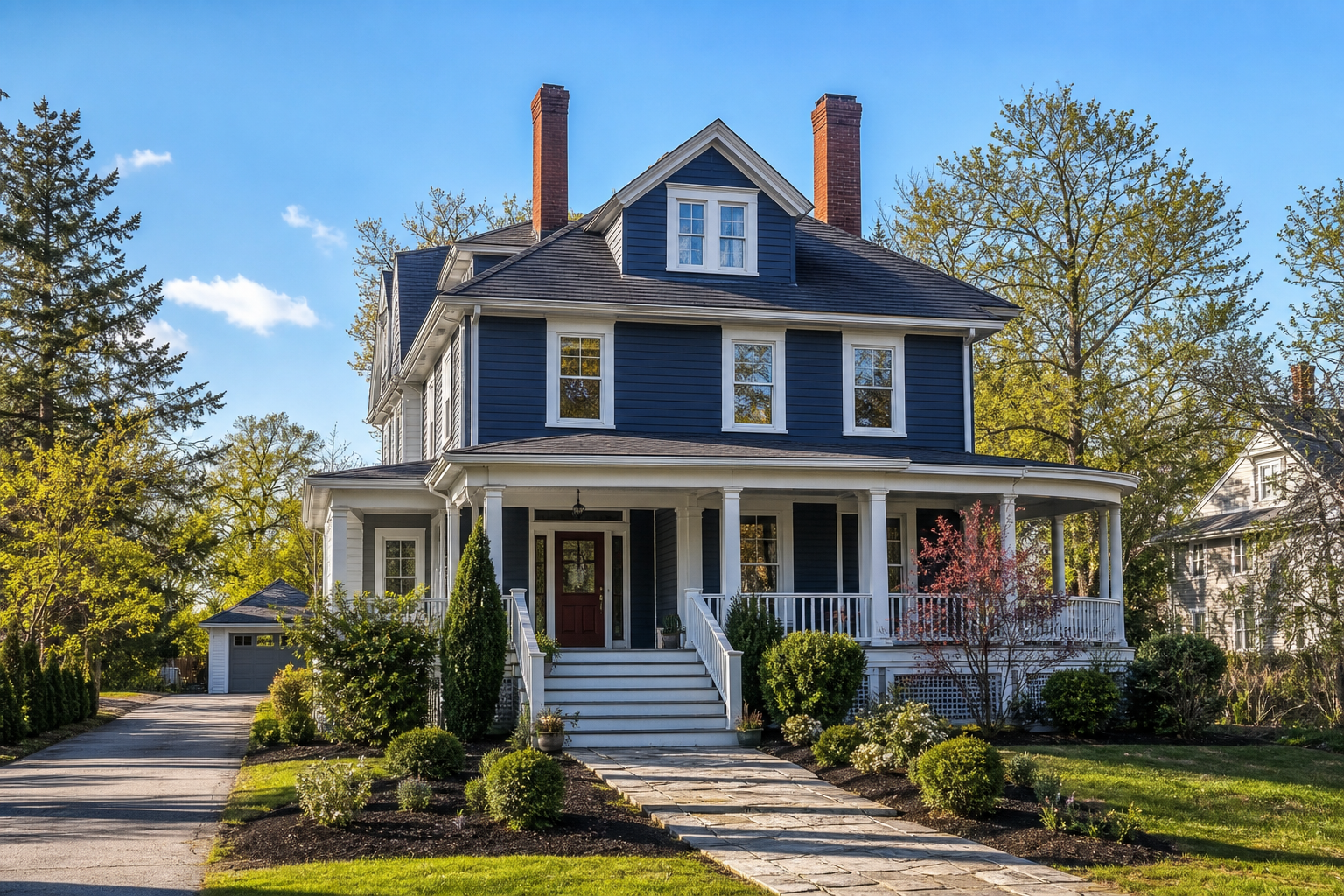
How FHA Loans Work for Rhode Island First-Time Buyers
The FHA loan program is the most common path I see first-time buyers take in the Providence metro. You do not need a 20% down payment, and you do not need perfect credit. What you do need is a clear picture of how the program works before you start making offers.
- Down payment: as low as 3.5% of the purchase price, depending on your credit score and lender underwriting.
- Mortgage insurance: FHA loans carry an upfront premium and an annual premium. Your lender will walk you through the exact figures for your loan amount and term.
- Loan limits: FHA caps vary by county and are updated annually. Verify the current limit for the Providence-Warwick area on HUD’s FHA Mortgage Limits lookup before you set your price ceiling.
- Property condition: FHA has minimum property standards. Homes with significant deferred maintenance, peeling paint on pre-1978 properties, or structural issues may require repairs before closing.
Mortgage rates are a moving target in 2026. Before you lock in any budget assumptions, check the most recent weekly benchmark from the Freddie Mac Primary Mortgage Market Survey. A half-point difference in rate changes your monthly payment more than most first-time buyers expect.
Pairing FHA With RIHousing Assistance
One of the first things I tell buyers who qualify for FHA is to look at what RIHousing offers alongside it. Rhode Island’s state housing finance agency administers first-time homebuyer mortgage programs that can include down payment and closing-cost assistance. In some cases, you can layer RIHousing assistance on top of an FHA-backed loan, which meaningfully reduces what you need to bring to the table at closing.
Program eligibility, income limits, and available assistance amounts change, so get pre-qualified through a RIHousing-approved lender early. Do not assume you do not qualify before you check.
What credit score do you need? FHA’s published guidelines allow lower scores than most conventional loans, but individual lenders set their own overlays above the FHA minimum. The honest answer is: talk to a lender before you assume you are in or out. I can connect you with lenders who work regularly with first-time buyers in this market.
Older Housing Stock Means Inspection Diligence Is Non-Negotiable
According to U.S. Census Bureau housing data, Providence County has some of the oldest housing stock in the state. That is part of the character of the market, but it also means going into inspections with your eyes open. On older homes, I walk my clients through what to watch for:
- Roof age and condition
- Electrical systems (knob-and-tube wiring is still present in some Providence-area homes)
- Plumbing materials and condition
- Foundation and basement moisture
- Lead paint disclosures on any home built before 1978
That last point matters for FHA specifically. The Rhode Island Department of Health administers lead-safe rules, and Rhode Island requires a Lead Poisoning Prevention fee on certain residential transfers involving pre-1978 housing. If you are buying a home built before 1978, expect a lead disclosure and ask your agent and lender how it affects your transaction.
If you are considering a home that needs work, an FHA 203(k) renovation loan lets you finance both the purchase and the rehabilitation costs in a single mortgage. That can be a smart tool in a market full of older homes.
Transfer Tax, Flood Zones, and Other Rhode Island Specifics
Rhode Island has a real estate transfer tax of 0.46% of the consideration, per the Rhode Island Division of Taxation. Who pays it — buyer or seller — is negotiable and should be spelled out in your purchase contract. Do not assume one side automatically covers it; your attorney or closing officer will confirm how it is allocated in your deal.
Rhode Island’s coastal and river-adjacent neighborhoods can fall in FEMA-designated flood zones. If the home you are considering is in or near a flood zone, flood insurance may be required by your lender, and that cost affects your total monthly payment. Check flood zone status early using the FEMA Flood Map Service Center, before you are deep into a transaction.
Providence Metro Affordability in Context
Providence County’s median owner-occupied housing values are materially below many Boston-area counties, according to Census Bureau QuickFacts data. That gap is part of why FHA-eligible buyers can still find entry points in this market — especially with the right loan structure and assistance programs in place.
Your specific price ceiling depends on your income, debt load, and the current rate environment. That is exactly the kind of number I work through with buyers before we start touring homes.
If you want to see how this process plays out in real life, read how Daniela and Erick bought their first home in Woonsocket — a real story from a real transaction that answers a lot of the questions you are probably asking right now.
Frequently asked questions
Can a first-time homebuyer in Rhode Island use FHA and RIHousing together?
Yes, in many cases you can combine an FHA-backed mortgage with RIHousing’s down payment or closing-cost assistance programs. RIHousing works with approved lenders who can structure both together. Eligibility depends on income, purchase price, and program availability, so get pre-qualified through a RIHousing-approved lender early in the process.
How much money do first-time buyers need for a down payment in Providence, RI?
With an FHA loan, the published minimum is 3.5% of the purchase price, subject to your credit profile and lender underwriting. RIHousing assistance programs can reduce or cover part of that requirement for eligible buyers. Your total cash to close also includes closing costs, so talk to your lender about the full picture before you set a savings target.
Who pays the Rhode Island real estate transfer tax, buyer or seller?
Rhode Island’s transfer tax of 0.46% of the consideration is a negotiable item in the purchase contract, per the RI Division of Taxation. There is no automatic rule that one side pays it. Your contract should specify the allocation, and your attorney or closing officer will confirm how it applies to your deal.
Do older homes in Providence require extra lead-related steps?
Yes. Homes built before 1978 are subject to federal lead paint disclosure requirements, and Rhode Island has its own lead-safe rules administered by the Rhode Island Department of Health, including a Lead Poisoning Prevention fee on certain transfers. FHA also has minimum property standards around lead paint conditions, so buyers using FHA on a pre-1978 home should be prepared for possible repair requirements before closing.
How long does it take to close on a home in Rhode Island with FHA financing?
FHA transactions in Rhode Island typically take 30 to 45 days from accepted offer to closing, though timelines vary based on lender workload, appraisal scheduling, and whether any property condition repairs are required. Getting your pre-approval and documentation in order before you make an offer is the best way to keep the timeline on track.
Thinking About Buying Your First Home in Rhode Island?
Buying your first home here is achievable, and the combination of FHA financing and RIHousing programs gives you real tools to get there. I work with first-time buyers across the Providence metro — including Cumberland, Pawtucket, Central Falls, Lincoln, and North Providence — in English and Spanish, and I am happy to walk you through exactly what your path looks like. Call or text me anytime at (401) 426-4857, or reach out at alexparmenidez.realtor.
Alexander Parmenidez — Broker Associate | REALTOR®, Coldwell Banker Realty
196 Waterman St, Providence, RI 02906 · (401) 426-4857 · [email protected] · alexparmenidez.realtor · Living Elevated
Alexander Parmenidez is a Broker Associate and REALTOR® with Coldwell Banker Realty, licensed in Rhode Island, Connecticut, and Massachusetts. Based in Providence, he helps first-time buyers, sellers, and multifamily investors across the Providence metro with data-driven market analysis and appraiser-style CMAs. He serves clients in English and Spanish.
Equal Housing Opportunity. RI Broker License REB.0202861 | CT Broker License REB.0795925 | MA License 9632354. This article is general information only and is not legal, tax, or financial advice. Confirm your specific costs, program eligibility, and loan terms with your attorney, tax advisor, lender, or closing officer. Not intended to solicit properties currently listed with another broker.
Check out this article next
¿Es Buena Estrategia Esperar a que Bajen las Tasas de Interés?
Muchos compradores están esperando que las tasas de interés hipotecarias bajen antes de comprar una casa, pero esperar no siempre es la mejor decisión financiera.
Read ArticleThinking about buying?
Let's talk through your numbers first.
A 30-minute call covers what you can afford comfortably, what taxes and insurance really cost in the town you're looking at, and which loan programs fit you. You work directly with Alex from the first call to closing.
Schedule a buyer callEnglish or Spanish · Call or text 401-426-4857 · Contact form
196 Waterman St, Providence, RI 02906 · C: (401) 426-4857 · O: (401) 351-2017 · [email protected] · alexparmenidez.realtor