
How Can You Lower Your Home Heating Costs This Fall?
TL;DR
Rhode Island homeowners can lower fall and winter heating costs by maintaining their heating system, adjusting thermostat settings, sealing drafts, improving insulation, keeping vents unobstructed, and using natural sunlight strategically. Small improvements can reduce heat loss and help a home stay comfortable without unnecessarily increasing energy use, while larger upgrades such as replacing an aging heating system or improving insulation may provide longer-term savings.
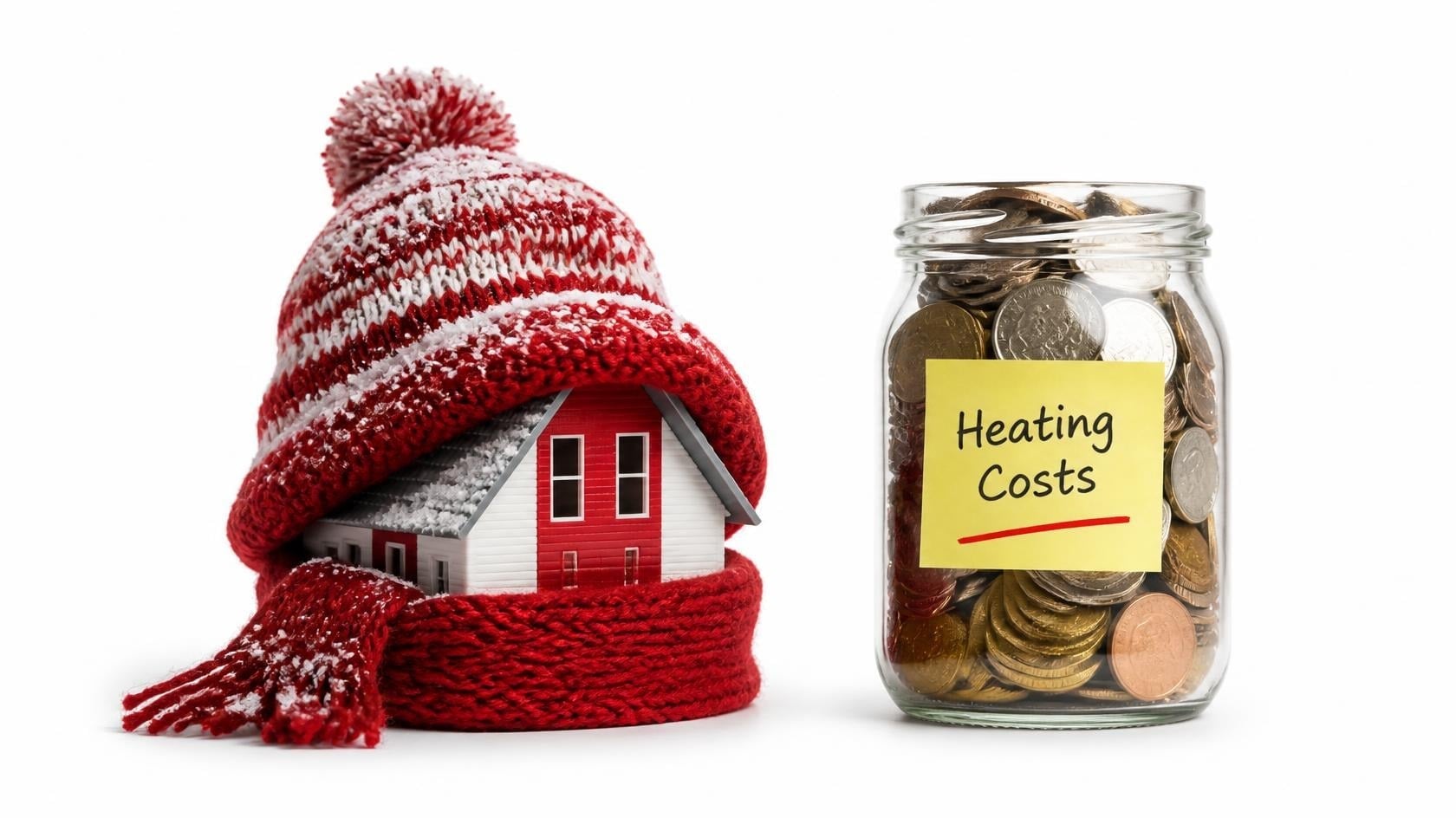
Adjust Your Thermostat Before the Cold Weather Arrives
One of the simplest ways to reduce heating costs is to be more intentional about your thermostat settings. You do not necessarily need to keep your home at the same temperature all day and night, particularly when everyone is asleep or away.
A programmable or smart thermostat can automatically adjust the temperature according to your household's schedule. For example, you may choose a lower setting while the family is away and have the temperature increase before everyone returns home.
The goal is not to make the house uncomfortably cold. Instead, reducing unnecessary heating during periods when the home is unoccupied can help limit energy use over time.
If you have recently moved into a Rhode Island home, take some time to understand your thermostat and heating zones. Homes with multiple zones may allow you to control different areas separately, which can be useful when certain rooms are used more frequently than others.
Avoid making dramatic thermostat changes without considering your heating system. If you have questions about the best settings for your specific system, consult the equipment manufacturer or a qualified heating professional.
Seal Drafts Around Windows and Doors
A home can lose a significant amount of heated air through gaps around windows, exterior doors, and other openings. Before temperatures drop further, walk through the house and look for noticeable drafts.
Check around window frames, exterior doors, basement entrances, attic access panels, and other areas where indoor and outdoor spaces meet. Weatherstripping and caulking can often address relatively small air leaks without requiring a major renovation.
Pay attention to older windows. If you can feel cold air around the frame or notice damaged seals, the windows may be contributing to heat loss. That does not automatically mean they need to be replaced. In some situations, sealing gaps or improving weatherstripping may be a more appropriate first step.
Doors can also be overlooked. Make sure exterior doors close properly and that the weatherstripping and door sweep are in good condition.
For Rhode Island homeowners living in older properties, air sealing can be particularly useful because older construction may have more areas where outside air enters the home. If you suspect significant air leakage, a professional energy assessment can help identify where improvements may have the greatest impact.
Improve Insulation and Keep Heat Where It Belongs
Heating your home is only part of the equation. You also want to prevent that heat from escaping.
Insulation in attics, exterior walls, basements, and other areas can affect how efficiently a home retains heat. If insulation is inadequate or damaged, your heating system may need to operate longer to maintain a comfortable indoor temperature.
The attic is an especially important area to evaluate because warm air rises and can escape through the upper portion of the home. Homeowners should also check whether attic access panels appear properly sealed and whether there are visible gaps around penetrations.
Basements and crawl spaces can also affect comfort on the floors above. Cold floors or noticeably chilly rooms may sometimes be related to insulation or air leakage rather than the heating system itself.
Because insulation projects can range from relatively simple improvements to major renovations, homeowners should determine where heat loss is occurring before spending money on upgrades. A professional energy audit may help identify the most useful improvements for the particular property.
Maintain Your Heating System and Keep Airflow Clear
A heating system that is properly maintained is an important part of controlling energy costs. The specific maintenance required depends on whether your home uses an oil boiler, gas furnace, heat pump, electric heating, or another system.
Follow the manufacturer's maintenance recommendations and have fuel-burning equipment professionally serviced as appropriate. If your system has a replaceable filter, check it regularly and replace it according to the manufacturer's recommendations. A dirty filter can restrict airflow in forced-air systems.
Also make sure supply and return vents are not blocked by furniture, rugs, curtains, or stored belongings. Obstructed airflow can make it more difficult for a forced-air system to distribute heat effectively.
For homes with radiators or baseboards, keep the heating elements unobstructed. Avoid placing large pieces of furniture directly in front of radiators if doing so prevents heat from circulating into the room.
Homeowners should also pay attention to unusual noises, odors, repeated cycling, or rooms that remain consistently colder than others. These issues do not necessarily mean the system is failing, but they may indicate that professional evaluation is needed.
Addressing a small maintenance issue before winter can be much easier than dealing with a heating emergency during a cold spell.
Use Your Home's Features to Reduce Heating Demand
Not every way to save on heating requires purchasing new equipment. You can also take advantage of the way your home naturally receives and retains heat.
During sunny fall days, open appropriate curtains or blinds on south- and west-facing windows to allow sunlight to warm the interior. Once the sun goes down, close window coverings to create another layer between the heated interior and colder glass.
At night, curtains or insulated window coverings can help reduce the feeling of cold near windows. Interior doors can also be used strategically in homes with rooms that are not regularly occupied, although homeowners should make sure doing so does not interfere with required heating, ventilation, or plumbing needs.
Ceiling fans can sometimes help redistribute warm air that rises toward the ceiling. If your fan has a seasonal reverse setting, follow the manufacturer's instructions to determine whether using it at a low speed is appropriate.
Finally, look at the entire house rather than focusing only on the thermostat. A well-maintained heating system, properly sealed windows and doors, adequate insulation, and sensible temperature management can work together to reduce heat loss.
For homeowners planning to remain in their Rhode Island property for many years, it may also be worth comparing the potential savings from energy-efficiency improvements with their upfront costs. Not every upgrade will make financial sense for every home, so consider the property's condition, expected ownership period, and available incentives before making a major investment.
Frequently Asked Questions
What is the easiest way to lower home heating costs in the fall?
Start with low-cost steps such as adjusting your thermostat schedule, sealing drafts around doors and windows, replacing heating-system filters when applicable, and keeping vents or radiators unobstructed.
Does lowering the thermostat really save money?
Lowering the thermostat during periods when the home is unoccupied or while household members are sleeping can reduce the amount of energy needed for heating. A programmable or smart thermostat can make these adjustments automatically.
Should I replace my windows to reduce heating costs?
Not necessarily. Window replacement can improve energy efficiency, but homeowners should first determine whether the primary problem is damaged windows, poor sealing, or inadequate insulation. Less expensive air-sealing improvements may sometimes address the issue.
Can insulation lower my heating bill?
Improving inadequate insulation can help a home retain heat and reduce heat loss. The potential benefit depends on the home's existing insulation, construction, heating system, and other factors.
Should I have my heating system serviced before winter?
Homeowners should follow the maintenance schedule recommended for their specific heating system. Professional maintenance can help identify potential problems before the heating season is fully underway, particularly for fuel-burning equipment.
If you're thinking about buying or selling a Rhode Island home this fall, Alexander Parmenidez can help you understand how heating systems, energy efficiency, maintenance, and other property features may affect the cost of homeownership.
Thinking about buying?
Let's talk through your numbers first.
A 30-minute call covers what you can afford comfortably, what taxes and insurance really cost in the town you're looking at, and which loan programs fit you. You work directly with Alexander from the first call to closing.
Schedule a buyer callEnglish or Spanish · Call or text 401-426-4857 · Contact form
196 Waterman St, Providence, RI 02906 · C: (401) 426-4857 · O: (401) 351-2017 · [email protected] · alexparmenidez.realtor
Check out this article next
¿Cómo Puede Reducir los Costos de Calefacción de su Vivienda Este Otoño?
Los propietarios de viviendas en Rhode Island pueden reducir los costos de calefacción durante el otoño y el invierno dando mantenimiento al sistema de calefacción
Read Article