
The Risks of Missing a Lead Certificate in Rhode Island
TL;DR
In Rhode Island, rental properties that are required to have a lead certificate face serious consequences if they lack one. Penalties can include fines, enforcement actions, limitations on rent collection, and legal complications with evictions. Compliance is especially critical in units where children under 6 live or visit, as lead exposure poses severe health risks.
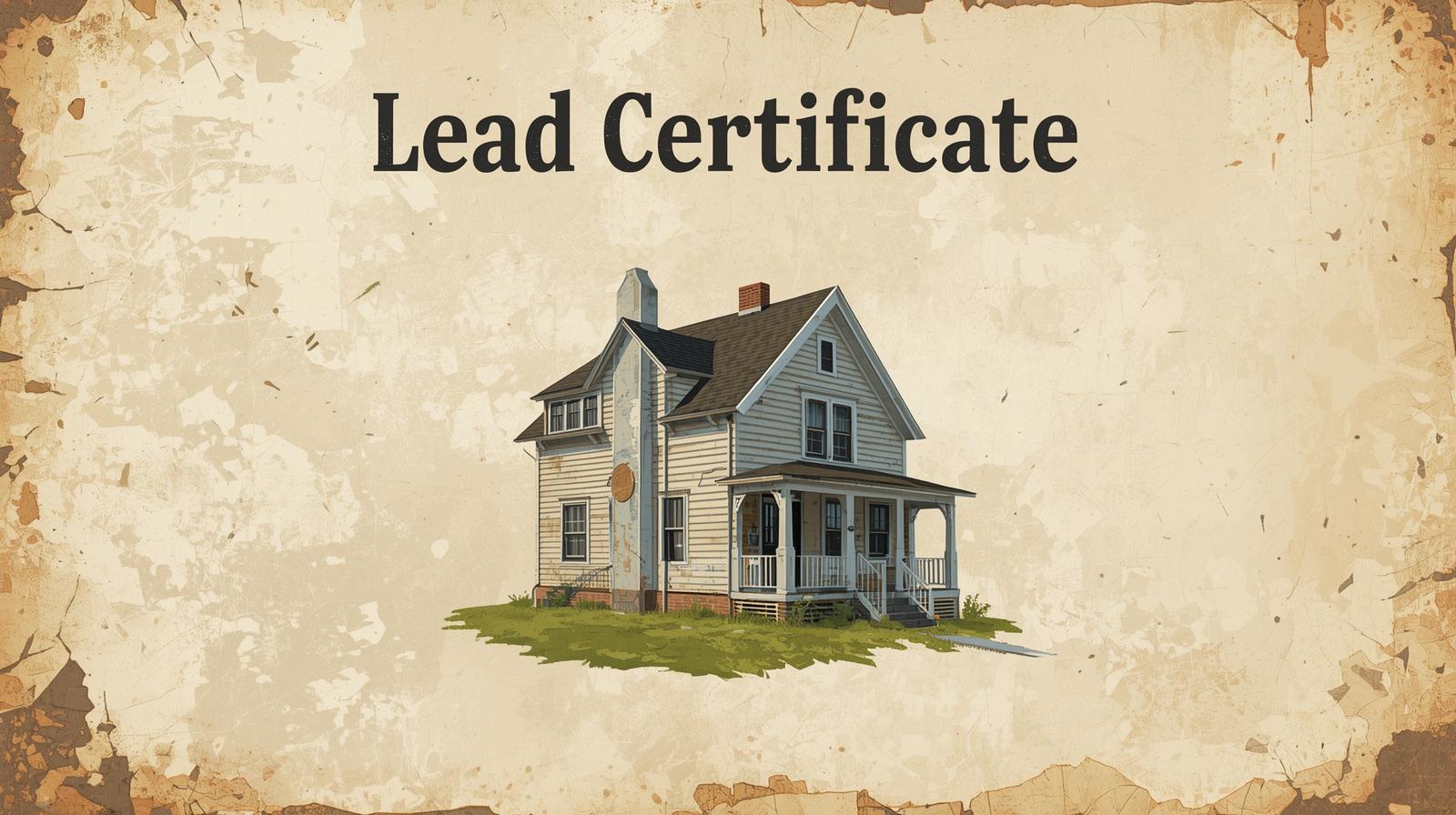
Why Lead Certificates Matter
A lead certificate is more than just paperwork it’s proof that a property has been professionally inspected and meets Rhode Island’s strict lead safety regulations. Lead hazards, even at low levels, can cause serious health issues in children, including developmental delays, learning difficulties, and behavioral problems.
Obtaining a lead certificate ensures that your property is either lead-free or lead-safe. It protects tenants and shields landlords from potential lawsuits or fines. It’s also a legal requirement for certain rental properties, and ignoring it can jeopardize your ability to rent, enforce lease agreements, or evict tenants legally.
Who Needs a Lead Certificate?
Lead certificate requirements primarily apply to:
Rental properties built before 1978: This was the year lead-based paint was banned in residential properties. Older homes are more likely to contain lead.
Units with children under age 6: Young children are particularly vulnerable to lead poisoning, so any rental where they live or regularly visit requires certification.
Landlords renting residential properties in Rhode Island: Even if the unit seems updated, compliance is mandatory if it meets the above conditions.
Properties that have failed a previous lead inspection: Any property that does not meet lead safety standards must be corrected and certified.
⚠️ These rules are strictly enforced by Rhode Island state and local authorities. Noncompliance can have immediate and serious consequences.
What Happens If There Is No Lead Certificate?
Landlords without a required lead certificate may face several challenges:
❌ Fines and Enforcement
Authorities can issue civil penalties for failing to obtain or maintain a valid lead certificate. Additionally:
Landlords may be required to correct lead hazards immediately.
Inspections and re-inspections can be mandated, creating additional time and expense.
Persistent noncompliance may result in legal action, including court orders to remediate hazards.
❌ Limits on Rent Collection
A missing lead certificate can prevent landlords from legally collecting rent. Tenants may be entitled to withhold payments or reduce rent until the property is brought into compliance. This can cause cash flow problems, especially if multiple units are affected.
❌ Problems With Evictions
If you attempt to evict a tenant and your property lacks a lead certificate, courts may:
Delay eviction proceedings until proof of compliance is provided.
Deny eviction cases entirely, particularly for nonpayment, if tenants have children under age 6.
Example: A landlord files an eviction for nonpayment. The tenant has a young child, and the property lacks a valid lead certificate. The court may pause or deny the eviction until the landlord demonstrates compliance, potentially delaying months of rental income.
Common Landlord Mistakes
Many landlords unknowingly fall into compliance pitfalls. Common errors include:
Assuming lead laws don’t apply because the property “looks updated.”
Renting to families without verifying certificate status.
Waiting until legal action occurs to address lead compliance.
Using outdated or expired certificates.
Believing compliance is optional or only for certain tenants.
Avoiding these mistakes not only protects tenants but also prevents costly fines and legal issues.
Can Tenants Withhold Rent Because of Lead Issues?
Yes, tenants can sometimes use lead compliance issues as a legal defense. Courts take child safety seriously, and tenants with children under 6 may argue that the landlord cannot legally collect rent or enforce eviction without proper certification.
Proactively addressing lead safety is the best way for landlords to prevent disputes and protect themselves from legal or financial exposure.
How to Become Compliant
To ensure compliance and protect both tenants and your rental income:
Confirm the property’s year of construction – Verify if your building falls under the lead certification requirement.
Hire a licensed lead inspector – Only a certified professional can evaluate hazards and issue the appropriate certificate.
Correct identified hazards – Address peeling paint, dust, or soil contamination promptly.
Obtain the proper certificate – Ensure it is filed according to Rhode Island regulations.
Keep records readily available – Maintain documentation for inspections, tenants, and potential legal proceedings.
Compliance not only keeps tenants safe but also ensures that landlords can legally rent, collect payments, and enforce agreements.
What to Do Next
If you own or manage an older rental property:
Verify whether a lead certificate is required immediately.
Address compliance proactively rather than waiting for enforcement.
Keep your documents organized, including inspection reports, receipts for remediation, and the certificate itself.
📄 Lead compliance isn’t just bureaucratic it affects your ability to rent, maintain income, and avoid legal trouble.
Frequently Asked Questions
Q: What is a lead certificate in Rhode Island?
A: It is a document issued after a licensed lead inspector evaluates a property, confirming it meets state lead safety standards. This ensures the home is either lead-free or lead-safe.
Q: Who must have a lead certificate?
A: Landlords of properties built before 1978, especially if children under 6 live or regularly visit, are required to have a valid lead certificate.
Q: What penalties exist if a property doesn’t have a lead certificate?
A: Landlords may face fines, enforcement actions, restricted rent collection, and challenges in eviction proceedings, including potential legal liability for child exposure.
Q: Can tenants legally withhold rent over lead compliance issues?
A: Yes. Tenants can use lead compliance as a defense in court if the property is not lead-certified, particularly if children are living in the unit.
Q: How can landlords ensure lead compliance?
A: Hire a licensed inspector, correct hazards, obtain the certificate, and keep records organized.
By Alex Parmenidez, REALTOR® | Coldwell Banker Realty
Alex Parmenidez | Realtor® Licensed CT-MA-RI | Coldwell Banker Realty
196 Waterman St, Providence, RI 02906
C: (401) 426-4825 | O: (401) 351-2017
Check out this article next
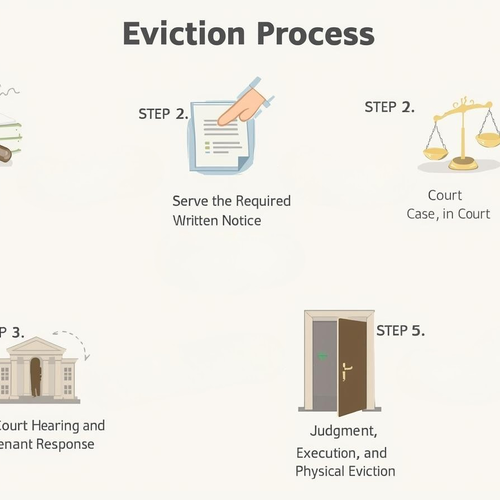
Eviction Process in Rhode Island: Step-by-Step Timeline
Eviction is one of the most misunderstood areas of landlord-tenant law. In Rhode Island, tenants are legally protected against self-help measures by landlords.
Read Article