
What Should Buyers Look for During a Fall Home Showing?
TL;DR
Fall can be an excellent time to tour a home because cooler temperatures make it easier to identify issues that may be less noticeable during warmer months. Buyers should pay close attention to heating performance, drafts, windows, roof condition, drainage, moisture, and signs that the property is prepared for winter.
A fall showing is also an opportunity to think beyond how a home looks today and consider how comfortable, efficient, and manageable it may be throughout a Rhode Island winter.
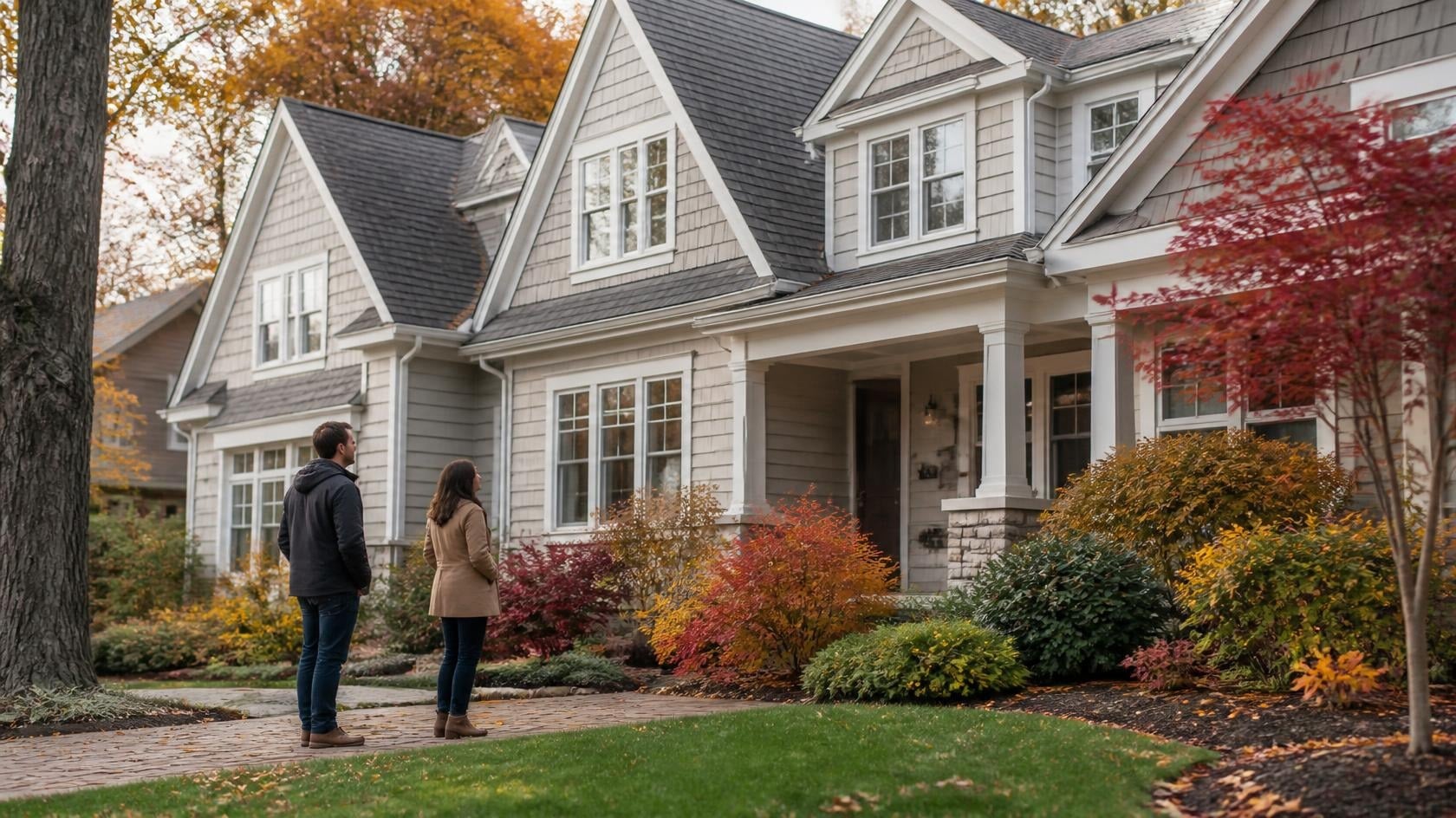
1. Does the Heating System Keep the Home Comfortable?
One of the most important things to evaluate during a fall home showing is how the house feels inside. When outdoor temperatures begin to drop, buyers have a better opportunity to notice whether the heating system is keeping rooms consistently comfortable. Pay attention to whether bedrooms, bathrooms, finished basements, and other areas feel significantly colder than the main living spaces.
Ask what type of heating system the home uses, how old the equipment is, and whether it has been serviced recently. Rhode Island homes may have oil, natural gas, propane, electric, heat pumps, or a combination of systems. Each can have different operating costs, maintenance requirements, and replacement considerations.
If the heating system is running during the showing, listen for unusual noises and notice how quickly the home warms up. Buyers should also ask whether there are service records or recent invoices available. A home that appears beautiful but has an aging heating system could require additional budgeting after purchase.
2. Where Do You Notice Drafts or Cold Spots?
Fall weather can make problems with windows, doors, insulation, and air sealing easier to detect. As you walk through the property, pay attention to noticeable temperature differences near exterior walls, windows, doors, and stairways.
Stand near windows and exterior doors for a moment. Do you feel cold air coming through? Are there visible gaps around frames? Do doors close and seal properly? Small drafts do not necessarily mean a home has a serious problem, but they can indicate areas that may need weatherstripping, caulking, insulation, or other improvements.
Buyers should also look at the windows themselves. Check for cracked glass, damaged frames, difficult-to-operate windows, or condensation between panes. Older windows are not automatically a reason to reject a property, but their condition can affect comfort, energy use, and future maintenance.
These observations are particularly useful in Rhode Island and throughout Southern New England, where homeowners can experience significant temperature changes between fall, winter, and spring.
3. What Does the Exterior Look Like Before Winter?
Don't spend the entire showing inside. Fall is an especially useful season to examine the exterior because leaves, rain, and changing weather can reveal drainage and maintenance issues.
Look at the roof from the ground for missing, damaged, or visibly deteriorated shingles. If the property has gutters, check whether they appear secure and whether downspouts direct water away from the foundation. Look for areas where water may collect around the home, particularly near basement windows, entrances, retaining walls, and low sections of the yard.
Pay attention to the siding, trim, decks, porches, and exterior stairs as well. Peeling paint, deteriorated wood, loose railings, or damaged steps may become more difficult or expensive to address once winter arrives.
Fall leaves can also provide clues about drainage. If leaves and debris are accumulating in certain areas of the yard, ask whether those locations regularly hold water after rain.
A showing is not a substitute for a professional inspection, but these observations can help buyers identify questions worth asking before making an offer.
4. Are There Signs of Moisture or Winter-Related Problems?
Fall is a good time to look for signs that a home has experienced moisture problems. Inside the house, inspect basement walls, ceilings, corners, and areas around windows for staining, discoloration, musty odors, peeling paint, or other unusual conditions.
Basements deserve particular attention in Rhode Island because many properties have older foundations, below-grade living areas, or drainage systems that may require ongoing maintenance. Ask whether the basement has ever experienced water intrusion and whether the property has a sump pump, French drain, dehumidifier, or other water-management system.
Don't overlook attics and upper floors. Look for signs of previous roof leaks, water stains, or damaged insulation where visible. If something catches your attention, ask the seller or listing agent for additional information rather than assuming what caused it.
Buyers should also consider how melting snow and winter precipitation could affect the property. A yard that looks perfectly acceptable on a dry fall afternoon may behave differently after heavy rain, snow, or spring thaw.
5. Is the Home Ready for a Rhode Island Winter?
The final question to ask during a fall showing is simple: What will it take to keep this home comfortable and protected through winter?
Look for practical details such as storm doors, functioning exterior lighting, properly sealed windows and doors, adequate insulation where visible, and safe access to the property. Consider the driveway and walkways, too. A steep driveway, extensive outdoor steps, or a long walkway could require additional snow removal and maintenance.
If the home has an oil tank, fireplace, wood stove, generator, well, septic system, or other property-specific equipment, ask about maintenance and service history. These systems may not be obvious concerns during a quick summer showing, but they can become much more important once temperatures fall.
Buyers should also ask about average utility costs when possible. A home's purchase price is only one part of the overall cost of ownership. Heating expenses, maintenance, snow removal, and seasonal upkeep can all affect a homeowner's budget.
Most importantly, don't let seasonal decorations or a cozy atmosphere replace careful evaluation. A warm fireplace and beautiful autumn landscaping can make a property feel inviting, but buyers still need to examine the home's condition, ask questions, and complete the appropriate inspections before purchasing.
Frequently Asked Questions
Is fall a good time to view homes in Rhode Island?
Yes. Fall showings can give buyers a useful opportunity to evaluate heating, drafts, moisture, windows, drainage, and winter preparation while temperatures are beginning to decrease.
What should I check about a home's heating system during a showing?
Ask what type of heating system the home uses, how old it is, whether it has been serviced recently, and whether maintenance records are available. If the system is operating, listen for unusual sounds and notice whether the home feels evenly heated.
Should buyers inspect the roof during a fall showing?
Yes. Buyers should look for visible signs of roof deterioration, missing or damaged shingles, and areas where gutters or downspouts may not be functioning properly. A professional home inspection should provide a more detailed assessment.
Why should buyers check the basement during a fall showing?
The basement can provide important clues about moisture, drainage, foundation conditions, and previous water intrusion. Look for stains, odors, dampness, or other signs that may warrant additional questions or professional evaluation.
What questions should I ask before buying a home in the fall?
Ask about heating costs, heating-system maintenance, roof age, window condition, previous water intrusion, drainage, insulation, winter maintenance, and any major repairs that may be needed. Reviewing these details before making an offer can help you better understand the home's potential ongoing costs.
Thinking about buying?
Let's talk through your numbers first.
A 30-minute call covers what you can afford comfortably, what taxes and insurance really cost in the town you're looking at, and which loan programs fit you. You work directly with Alex from the first call to closing.
Schedule a buyer callEnglish or Spanish · Call or text 401-426-4857 · Contact form
196 Waterman St, Providence, RI 02906 · C: (401) 426-4857 · O: (401) 351-2017 · [email protected] · alexparmenidez.realtor
Check out this article next
¿Qué Deben Buscar los Compradores Durante una Visita a una Casa en Otoño?
Fall can be an excellent time to tour a home because cooler temperatures make it easier to identify issues that may be less noticeable during…
Read Article