
What Should Rhode Island Homeowners Do Before Turning On the Heat?
TL;DR
Before turning on the heat for the first time, Rhode Island homeowners should test their heating system, replace filters when applicable, check vents and radiators, inspect thermostats, look for signs of leaks or unusual odors, and make sure carbon monoxide and smoke detectors are working properly. Taking these steps before colder weather arrives can help identify maintenance issues early, improve comfort, and reduce the chance of an unexpected heating problem when temperatures drop.
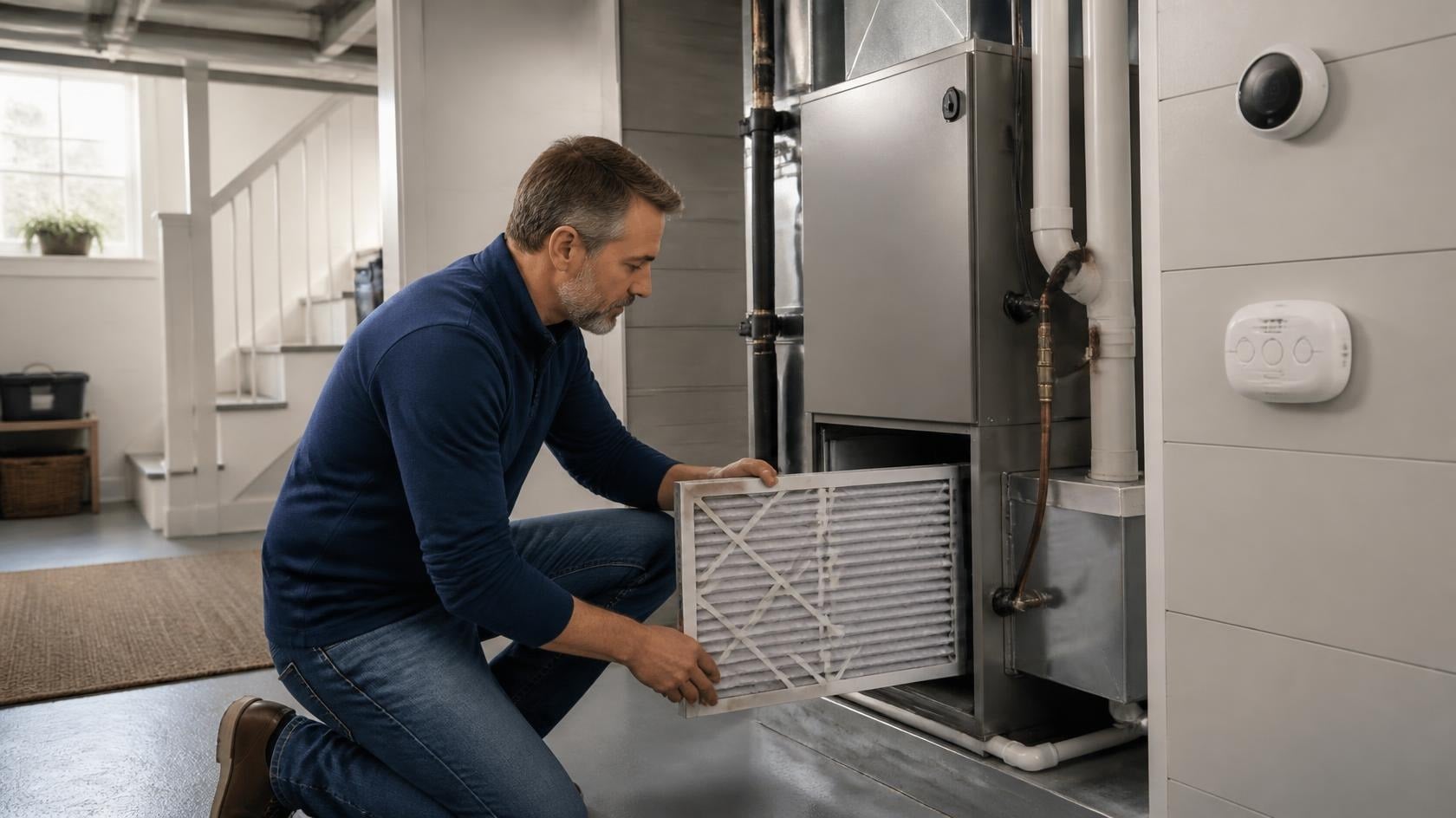
Test Your Heating System Before You Need It
One of the easiest mistakes homeowners can make is waiting until the first genuinely cold night to turn on the heat. By then, heating companies may already be dealing with a high volume of seasonal service calls. Testing the system before temperatures fall significantly gives you time to identify problems while there is still an opportunity to schedule maintenance.
Turn the thermostat up several degrees above the current indoor temperature and allow the system to run. Listen for unusual noises, pay attention to unusual odors, and check whether warm air or heat is reaching the rooms throughout the house. If certain areas remain noticeably colder, there may be an issue with airflow, radiators, ductwork, insulation, or the heating system itself.
Different Rhode Island homes use different heating systems, including oil-fired boilers and furnaces, natural gas systems, propane, electric heat, and heat pumps. The appropriate maintenance will depend on the type of equipment installed.
If the system does not start, cycles unusually, produces strange noises, or shows another concerning symptom, avoid repeatedly trying to operate it and contact a qualified heating professional.
Check Filters, Vents, Radiators, and Airflow
Before heating season begins, homeowners should make sure the components responsible for distributing heat are clean and unobstructed.
For forced-air heating systems, check the furnace filter and replace it according to the manufacturer's recommendations. A dirty filter can restrict airflow and make the system work harder. Homeowners should also make sure supply and return vents are not blocked by furniture, rugs, curtains, or stored items.
Homes with baseboard radiators or other hydronic heating systems have different considerations. Make sure radiators and baseboards are not covered or obstructed and that furniture is not preventing heat from circulating effectively.
If your home has a boiler and radiators, inspect visible piping and connections for signs of leaking water. Homeowners should not attempt to repair fuel-burning equipment or pressurized heating components themselves. A qualified professional should handle repairs and system servicing.
Keeping heating components accessible also makes routine maintenance easier and can help you notice problems earlier.
Inspect the Thermostat and Heating Controls
The thermostat is a small component, but it plays an important role in how efficiently and consistently your home is heated.
Check that the thermostat responds when you adjust the temperature. If it uses batteries, replace them if needed. Programmable or smart thermostats should also be checked to make sure schedules are appropriate for the upcoming season.
If your home has multiple heating zones, test each zone separately. A problem with one thermostat or zone valve may not become obvious until you actually need heat in that portion of the house.
Homeowners should also understand which controls operate the heating system and where the emergency shutoff is located. This is particularly important for oil- or gas-fired systems.
If you recently purchased a Rhode Island home, this is a good time to learn how the heating equipment works rather than waiting for an emergency. Ask the previous owner, property manager, or heating professional about the system's normal operation and maintenance schedule if that information is available.
Check for Safety Issues Before Heating Season
Heating season is also the right time to review basic home safety.
Make sure smoke alarms and carbon monoxide detectors are installed in the appropriate locations and are functioning properly. Replace batteries or the devices themselves when necessary according to the manufacturer's instructions. Carbon monoxide is particularly important in homes with fuel-burning heating equipment, fireplaces, attached garages, or other potential sources of combustion.
Homeowners should also keep combustible materials away from furnaces, boilers, fireplaces, wood stoves, and other heat-producing equipment. Do not use a mechanical room or area around heating equipment as general storage unless the equipment manufacturer and applicable requirements allow it.
If your home has a fireplace or wood stove, have it professionally inspected and cleaned as appropriate before regular use. Chimneys can accumulate creosote and other materials, and visible damage or maintenance concerns should be addressed before using the appliance.
Never ignore the smell of fuel, persistent unusual odors, visible soot, or signs of a potential carbon monoxide problem. If you suspect an immediate safety issue, leave the area and contact the appropriate emergency or professional service.
Schedule Maintenance Before the Coldest Weather Arrives
Even if your heating system appears to be working normally, seasonal maintenance can help identify issues before they become an emergency.
The appropriate maintenance depends on the system. Oil- and gas-fired equipment should be serviced according to the manufacturer's recommendations and by qualified professionals. Heat pumps may require inspection of filters, outdoor units, airflow, and other components. Boiler systems may require attention to water pressure, controls, pumps, valves, and other equipment.
Homeowners should also look at the age and maintenance history of the heating system. If you have recently moved into a property, gather service records and determine when the equipment was last professionally serviced.
This is also a good time to think about the entire home rather than just the heating equipment. Check exterior doors and windows for drafts, inspect visible insulation where accessible, and make sure gutters and downspouts are directing water away from the foundation. These measures do not replace heating-system maintenance, but they can contribute to overall winter readiness.
Preparing early is especially useful in Rhode Island, where homeowners may experience rapid changes in temperature during the transition from fall to winter. A few simple checks in advance can give you more time to address problems before your heating system is working around the clock.
Frequently Asked Questions
When should Rhode Island homeowners turn on their heat for the first time?
There is no single date that applies to every home. Homeowners should consider indoor temperatures, household comfort, weather conditions, and the needs of occupants. It is generally useful to test the heating system before the first sustained cold spell rather than waiting until heat is urgently needed.
Should I have my heating system serviced every year?
Maintenance requirements vary by heating system and manufacturer recommendations. Fuel-burning systems commonly require regular professional service, while other systems have different maintenance schedules. Check the equipment manufacturer's recommendations and consult a qualified professional.
What should I do if my heat does not turn on?
First, check the thermostat settings and basic power or system controls if it is safe to do so. If the system still does not operate, contact a qualified heating professional. Do not attempt to repair fuel-burning or complex heating equipment yourself.
Should I replace my furnace or boiler before winter?
Not necessarily. Age alone does not mean a heating system needs immediate replacement. Its condition, reliability, maintenance history, efficiency, repair needs, and expected remaining service life should all be considered. A qualified professional can help evaluate the system and available options.
How can Rhode Island homeowners prepare their homes for winter heating costs?
Start by reviewing previous heating bills, checking the condition of the heating system, addressing drafts, maintaining appropriate filters, and making sure the home is properly insulated where needed. Understanding your home's heating type and expected energy use can also help you plan your winter budget.
If you're preparing to buy or sell a home in Rhode Island this fall, Alex Parmenidez can help you understand important home systems, maintenance considerations, and questions to ask during the real estate process.
Thinking about buying?
Let's talk through your numbers first.
A 30-minute call covers what you can afford comfortably, what taxes and insurance really cost in the town you're looking at, and which loan programs fit you. You work directly with Alex from the first call to closing.
Schedule a buyer callEnglish or Spanish · Call or text 401-426-4857 · Contact form
196 Waterman St, Providence, RI 02906 · C: (401) 426-4857 · O: (401) 351-2017 · [email protected] · alexparmenidez.realtor
Check out this article next
¿Qué Deben Hacer los Propietarios de Viviendas en Rhode Island Antes de Encender la Calefacción?
Antes de encender la calefacción por primera vez, los propietarios de viviendas en Rhode Island deben probar el sistema de calefacción
Read Article