How Much Should You Save Before Buying a Home?
TL;DR
The amount you should save before buying a home depends on the purchase price, loan program, down payment, closing costs, moving expenses, and the financial cushion you want to keep after closing. Saving only enough for the down payment can leave buyers unprepared for other expenses that come with purchasing and owning a home. A realistic savings plan should account for upfront costs as well as several months of expected housing and personal expenses.
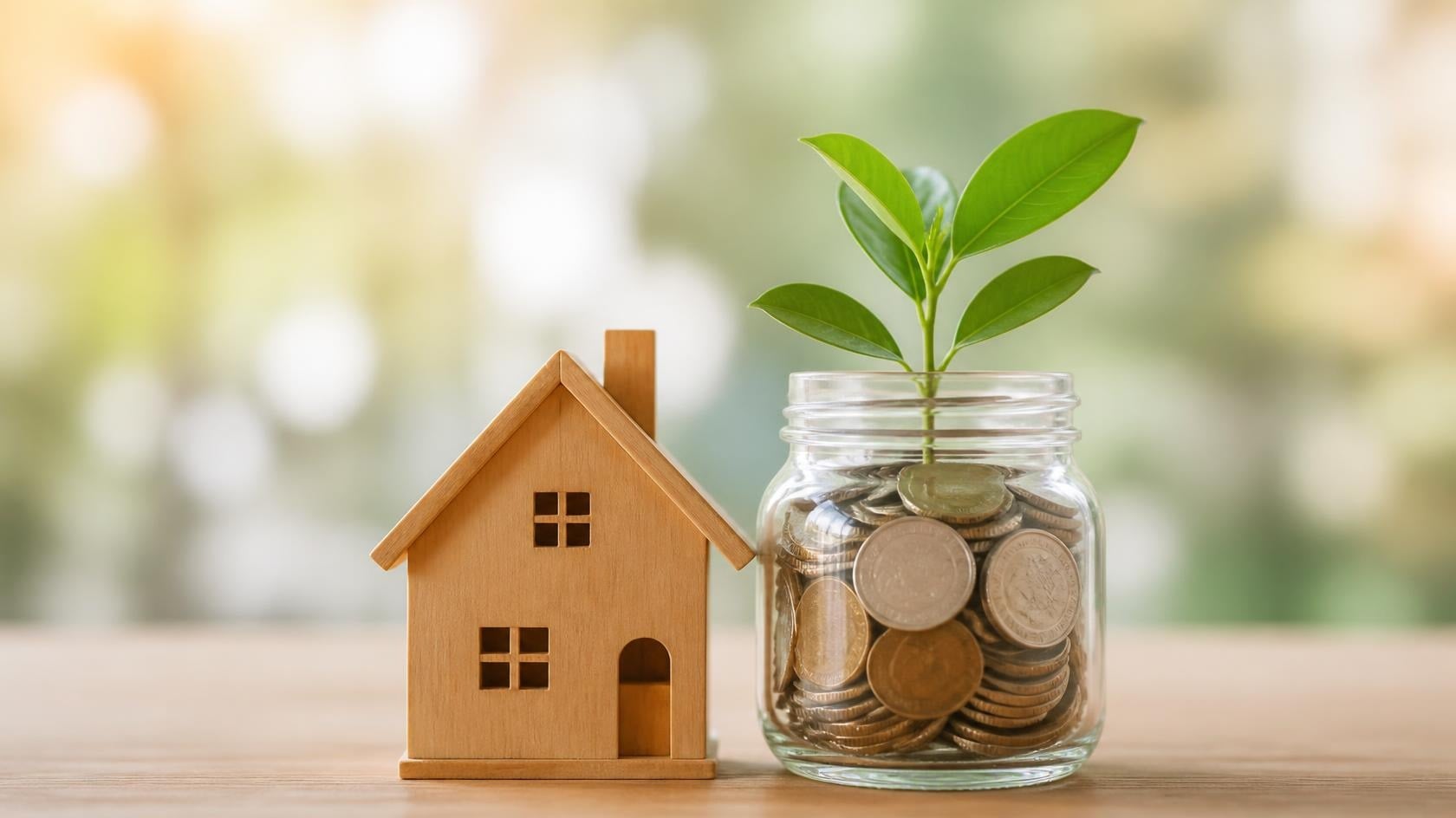
How Much Do You Need for a Down Payment?
Your down payment is one of the largest upfront expenses when purchasing a home, but it does not necessarily have to be 20% of the purchase price. Depending on the loan program and your qualifications, some buyers may be able to purchase with a smaller down payment.
The amount you put down can affect your loan amount, monthly payment, and potentially other costs such as mortgage insurance. Your lender can explain the down-payment options available based on your financial situation.
Before choosing a down payment amount, consider how much cash you want to have remaining after closing. Using nearly all of your savings for the down payment may leave less money available for unexpected expenses.
How Much Should You Save for Closing Costs?
Closing costs are separate from your down payment and can include lender fees, appraisal costs, title and settlement expenses, recording charges, prepaid taxes, homeowners insurance, and other transaction-related expenses.
The exact amount varies from one purchase to another. Buyers should ask their lender for a detailed estimate early in the process rather than relying on a general percentage.
When planning your savings goal, think in terms of cash needed to close, which includes the money required for the down payment and applicable closing costs and prepaid expenses. This gives you a more realistic picture of the funds needed to complete the purchase.
Should You Have an Emergency Fund Before Buying?
Ideally, buying a home should not leave you with no savings. Homeownership comes with unexpected expenses, from a broken appliance to an urgent repair that was not anticipated during the purchase.
The amount of emergency savings you need depends on your income, expenses, existing debt, job stability, and the condition of the property. A home that is older or requires more maintenance may require a larger financial cushion.
Instead of putting every available dollar toward the purchase, consider keeping reserves for expenses that may arise after closing. Your lender can help determine what funds are required for the transaction, while your own budget should determine how much you want to retain afterward.
What Other Expenses Should Buyers Save For?
Moving costs are easy to overlook. Depending on your situation, you may need to pay for movers, a truck rental, storage, utility deposits, furniture, or other expenses associated with moving into the property.
New homeowners may also need to purchase items for the house shortly after closing. Window coverings, tools, lawn equipment, appliances, and basic maintenance supplies can add up quickly.
It is also wise to consider immediate repairs or improvements. Even after an inspection, you may decide to make changes after moving in. Having additional savings can give you more flexibility without immediately relying on credit.
How Can You Set a Realistic Home-Buying Savings Goal?
Start by identifying the maximum home price you are considering and then estimate your down payment, closing costs, moving expenses, and desired cash reserves. Your lender can provide information about financing and estimated transaction costs, while your personal budget determines what monthly payment is comfortable.
For buyers in Rhode Island, Massachusetts, or Connecticut, remember that costs such as property taxes, insurance, utilities, and maintenance can vary significantly between properties and communities. Comparing these ongoing expenses can help you determine how much cash you want available after closing.
The goal is not simply to save enough money to get through closing. A stronger plan accounts for the first months of homeownership as well. If reaching your target will take additional time, continuing to save can help you enter homeownership with greater financial flexibility.
Frequently Asked Questions
Do I need 20% saved to buy a home?
No. Some mortgage programs allow qualified buyers to purchase with a down payment below 20%. The amount required depends on the loan program, lender, property, and buyer's qualifications.
Should I save for closing costs separately from my down payment?
It can be helpful to think of them as separate parts of your savings goal. Closing costs are additional expenses and may include lender fees, title costs, prepaid taxes and insurance, and other charges.
How much money should I have left after buying a home?
There is no single amount that works for every buyer. Your remaining savings should reflect your income, monthly expenses, debt, property condition, and expected maintenance needs. A financial professional can help you determine an appropriate emergency reserve.
What expenses should I expect after closing?
New homeowners may encounter moving expenses, utility costs, maintenance, repairs, furnishings, and other property-related expenses. Planning for these costs can prevent the purchase from using all of your available savings.
When should I start saving to buy a home?
Ideally, start saving well before you begin making offers. The earlier you establish a savings target, the more time you have to build funds for your down payment, closing costs, moving expenses, and post-purchase reserves.
If you're preparing to buy a home in Rhode Island, Massachusetts, or Connecticut, creating a complete savings plan can help you understand what you can comfortably afford before you begin your search. Alex Parmenidez can help you navigate the home-buying process and connect you with the lending and other professionals who can provide transaction-specific financial information.
Thinking about buying?
Let's talk through your numbers first.
A 30-minute call covers what you can afford comfortably, what taxes and insurance really cost in the town you're looking at, and which loan programs fit you. You work directly with Alex from the first call to closing.
Schedule a buyer callEnglish or Spanish · Call or text 401-426-4857 · Contact form
196 Waterman St, Providence, RI 02906 · C: (401) 426-4857 · O: (401) 351-2017 · [email protected] · alexparmenidez.realtor
Check out this article next
¿Cuánto Debería Ahorrar Antes De Comprar Una Casa?
La cantidad que debería ahorrar antes de comprar una casa depende del precio de compra, el programa de préstamo,
Read Article