
Are Starter Homes Disappearing? Here's What First-Time Buyers Need To Know
TL;DR
Starter homes are becoming increasingly difficult to find as rising home values, limited inventory, and changing homeowner behavior reduce the number of affordable properties available. While the search may take longer, first-time buyers still have opportunities by expanding their options, exploring financing programs, and working with local real estate professionals.
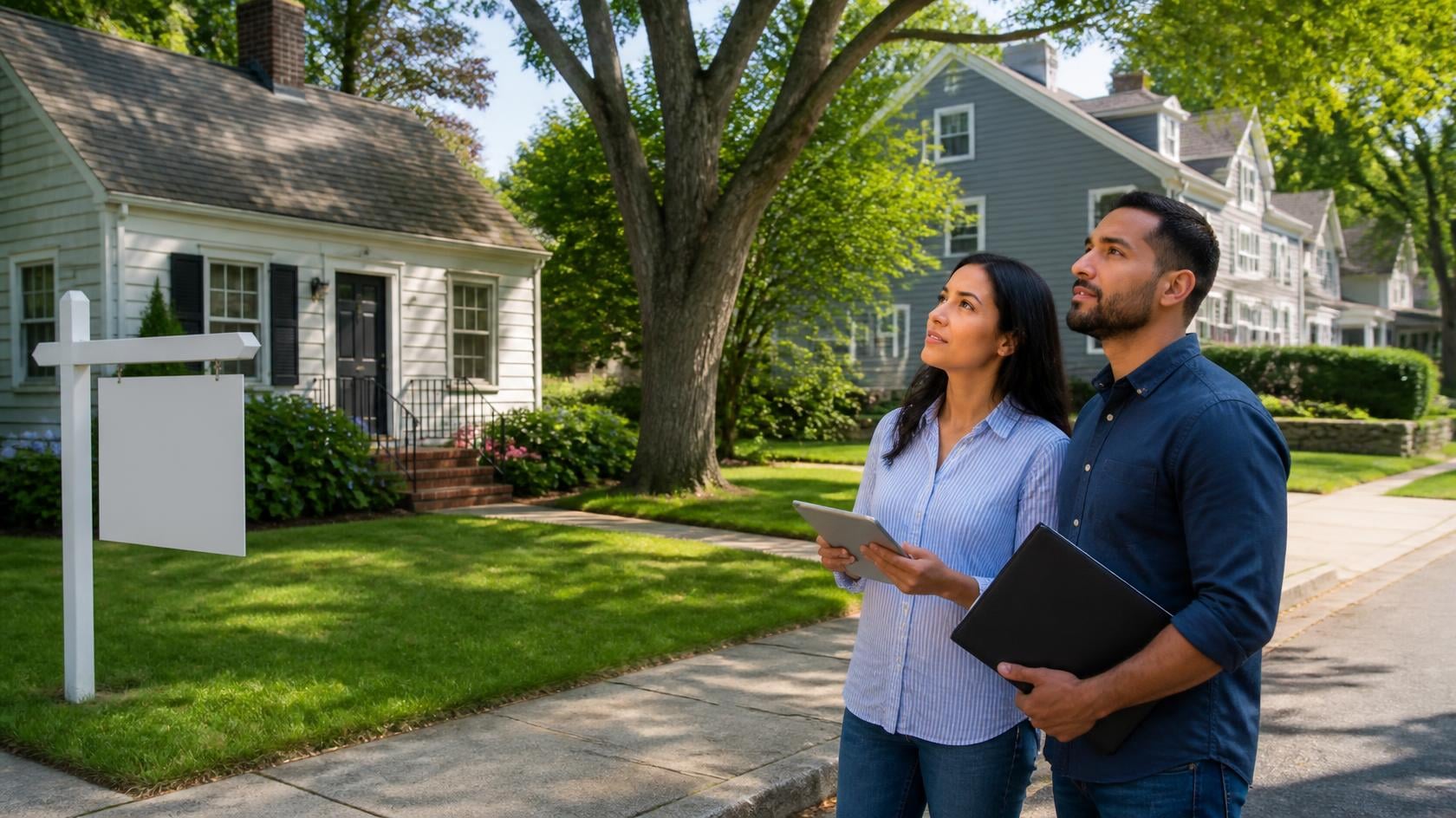
Why Are Starter Homes Becoming Harder to Find?
For decades, buying a starter home was considered the traditional first step toward homeownership. These smaller, more affordable homes allowed first-time buyers to build equity before eventually moving into larger properties as their needs changed.
Today's housing market looks very different. Across much of the country, including Rhode Island, Massachusetts, and Connecticut, the supply of affordable entry-level homes has declined significantly. Rising construction costs, higher land prices, and years of limited housing development have all contributed to fewer homes being available at lower price points.
At the same time, many homeowners who purchased during periods of historically low mortgage rates have chosen to remain in their current homes instead of selling. This "lock-in effect" has further reduced the number of starter homes entering the market, leaving first-time buyers with fewer choices than in previous years.
Although affordable homes still exist, buyers often need to search more carefully and act quickly when suitable properties become available.
What's Causing the Shortage of Affordable Homes?
Several factors have combined to create today's shortage of starter homes.
One of the biggest challenges is inventory. Homebuilders have focused much of their recent construction on larger, higher-priced homes because they are often more profitable to build. As a result, relatively few newly constructed homes are designed specifically for first-time buyers.
Additionally, existing homeowners are staying in their homes longer than they once did. Many are reluctant to give up mortgage rates secured several years ago, especially if purchasing another home would mean financing at today's higher rates.
Demand has also remained strong. Millennials continue to represent one of the largest groups entering the housing market, while many members of Generation Z are beginning their homeownership journey. With more buyers competing for a limited number of affordable homes, well-priced properties often receive significant attention shortly after being listed.
This combination of limited supply and steady demand continues to place pressure on entry-level housing throughout New England.
What Can First-Time Buyers Do to Improve Their Chances?
While today's market may feel competitive, there are several ways buyers can improve their chances of finding a starter home.
Getting pre-approved before beginning your search demonstrates to sellers that you're financially prepared and allows you to move quickly when the right property becomes available. Buyers who understand their budget in advance can make confident decisions instead of scrambling to secure financing after finding a home.
Keeping an open mind is equally important. Many buyers discover opportunities by considering homes that may need cosmetic updates, expanding their preferred neighborhoods, or exploring different property types such as townhomes or condominiums.
It's also worth exploring financing options that can make homeownership more affordable. FHA loans, VA loans for eligible veterans, conventional low-down-payment programs, and state or local first-time homebuyer assistance programs may help reduce upfront costs and improve affordability.
Rather than waiting for the "perfect" home, many successful buyers focus on purchasing a property that meets their current needs while offering room to build equity over time.
Why Buying a Starter Home Can Still Be a Smart Investment
Even if your first home isn't your forever home, it can still provide long-term financial benefits.
Every mortgage payment helps build equity instead of contributing solely to rent. Over time, homeowners may also benefit from property appreciation, depending on local market conditions.
Many buyers use their starter home as a stepping stone. After several years of building equity, they may have enough financial flexibility to purchase a larger home that better fits their changing lifestyle.
Starter homes also tend to remain in demand because new generations of first-time buyers continually enter the housing market. Well-maintained homes in desirable locations often retain strong resale appeal.
For buyers in Rhode Island, Massachusetts, and Connecticut, purchasing an affordable home today may create opportunities that would be difficult to achieve by waiting indefinitely for market conditions to change.
Preparation Matters More Than Perfect Timing
Many buyers delay their search because they hope more affordable homes will suddenly appear or mortgage rates will decline significantly. While market conditions naturally change over time, waiting for the perfect moment can sometimes result in higher home prices or increased competition.
Instead of trying to predict the market, buyers are often better served by focusing on preparation. Improving your credit score, saving for your down payment, reducing existing debt, and speaking with a lender early can strengthen your position before you begin touring homes.
Working with a knowledgeable local real estate professional can also help you identify opportunities as soon as they hit the market and develop a strategy that fits your goals and budget.
Although starter homes may be harder to find than they once were, homeownership remains achievable with realistic expectations, careful planning, and the right guidance.
Frequently Asked Questions
What is considered a starter home?
A starter home is typically a smaller, more affordable property purchased by a first-time buyer. These homes often serve as an entry point into homeownership before upgrading to a larger property in the future.
Why are starter homes becoming harder to find?
Limited housing inventory, rising construction costs, strong buyer demand, and homeowners staying in their current homes longer have all contributed to the shortage of affordable entry-level homes.
Should first-time buyers wait for more inventory?
Not necessarily. While inventory may improve over time, home prices and mortgage rates can also change. Buyers should focus on their financial readiness rather than trying to perfectly time the market.
Can I buy a home if I don't have a 20% down payment?
Yes. Many loan programs allow qualified buyers to purchase a home with significantly less than 20% down, including FHA, VA, and certain conventional loan options.
Are starter homes still a good investment?
For many buyers, yes. A starter home allows you to begin building equity, benefit from potential appreciation, and establish a foundation for future homeownership.
Check out this article next
¿Están Desapareciendo las Casas para Compradores Primerizos? Esto es lo que Debes Saber
Las casas para compradores primerizos son cada vez más difíciles de encontrar debido al aumento de los valores de las propiedades,
Read ArticleThinking about buying?
Let's talk through your numbers first.
A 30-minute call covers what you can afford comfortably, what taxes and insurance really cost in the town you're looking at, and which loan programs fit you. You work directly with Alex from the first call to closing.
Schedule a buyer callEnglish or Spanish · Call or text 401-426-4857 · Contact form
196 Waterman St, Providence, RI 02906 · C: (401) 426-4857 · O: (401) 351-2017 · [email protected] · alexparmenidez.realtor