
How Does the Fall Market Differ From the Spring Real Estate Market?
TL;DR
The fall real estate market can differ from spring in inventory, buyer activity, competition, and the types of homes available. Spring typically brings more new listings and buyers into the market, while fall can offer a different selection of properties and sometimes fewer competing buyers. For Rhode Island buyers and sellers, the best time to make a move depends on the property's condition, local inventory, pricing, financing, and individual goals rather than the season alone.
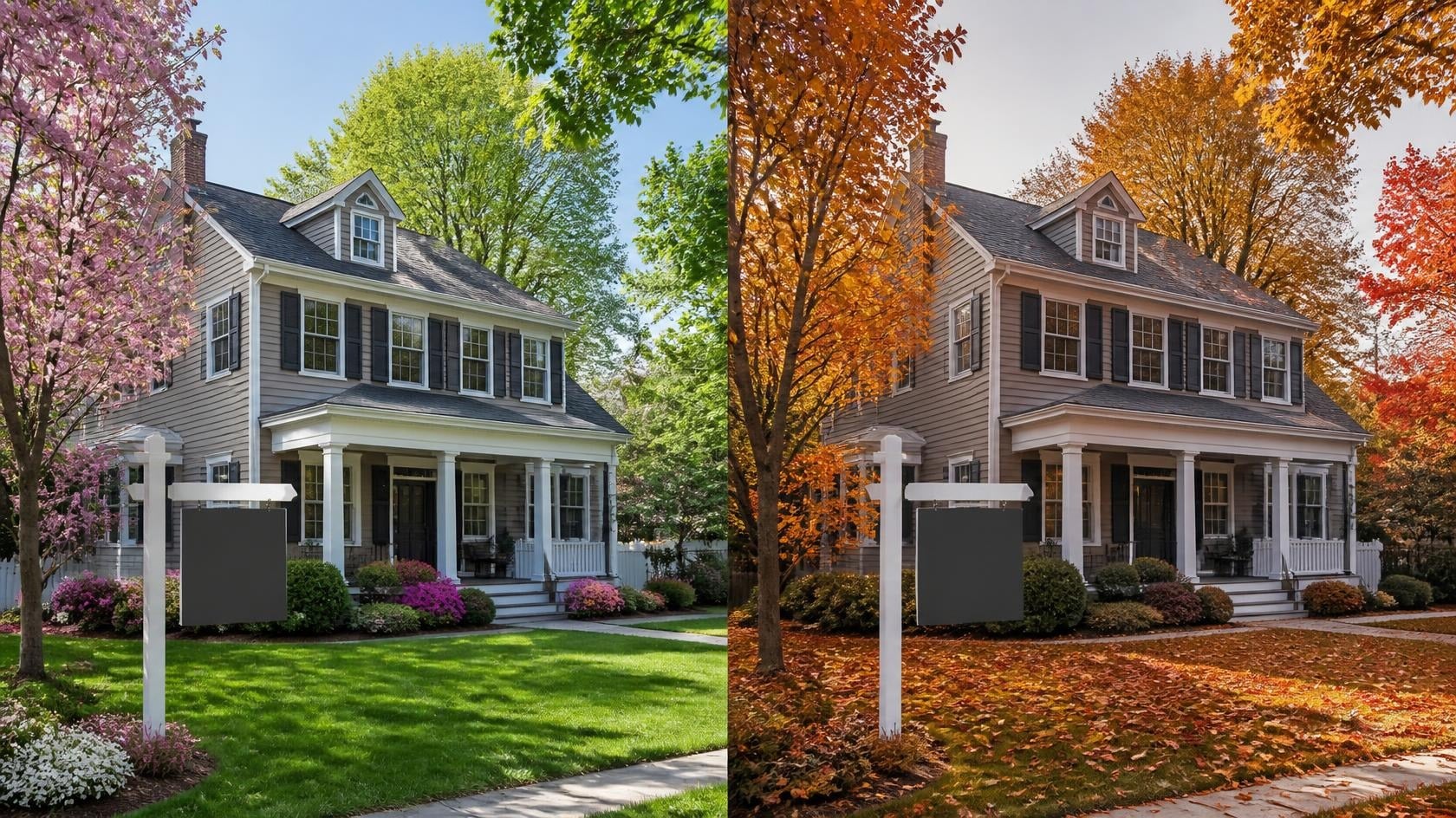
What Is the Difference Between the Spring and Fall Real Estate Markets?
The biggest difference is often the level and type of activity in the market. Spring traditionally brings more homeowners who are preparing to sell and more buyers who begin their home search. This can lead to a larger number of new listings and increased competition for desirable properties.
By fall, some of the homes that entered the market during spring and summer have already sold, while other sellers may be preparing to list before the winter. Buyer activity can also change as families settle into the school year and colder weather approaches.
For buyers, this means the fall market may provide a different selection than the spring market. For sellers, it means pricing and presentation can become particularly important when there are fewer new listings but also fewer active buyers in some areas.
Is the Fall Market Less Competitive Than Spring?
Fall can be less active than spring in some markets, but it should not automatically be considered a less competitive season. Competition varies by location, price range, property type, and the number of buyers and sellers active at a particular time.
A well-priced home in a desirable Rhode Island neighborhood can still attract significant interest during the fall. Buyers should not assume that waiting until autumn will automatically mean lower prices or fewer competing offers.
At the same time, fall buyers may encounter sellers who are more focused on completing a transaction before winter. That can create opportunities for productive negotiations, but every property and transaction is different.
What Should Buyers Know About Shopping for a Home in the Fall?
One advantage of buying in the fall is that you may see different inventory than you would have encountered earlier in the year. Some sellers may have adjusted their asking price after being on the market through spring or summer, while other homes may be newly listed.
Fall also gives buyers an opportunity to evaluate a property under changing seasonal conditions. In Rhode Island and throughout New England, buyers can pay attention to heating systems, drafts, insulation, roof condition, drainage, windows, and other features that become especially noticeable as temperatures drop.
However, buyers should avoid choosing a home solely because the asking price appears lower than it was earlier in the year. The home's condition, comparable sales, location, financing costs, and overall market conditions should all be considered when determining whether a property represents a reasonable purchase.
What Should Sellers Know About Listing a Home in the Fall?
Sellers who list in the fall should focus on pricing the home appropriately and presenting it well for the season. With shorter days and changing weather, professional photography, clean exterior spaces, good lighting, and a comfortable interior can help make the property appealing to prospective buyers.
Seasonal maintenance can also matter. Sellers should address obvious issues such as clogged gutters, leaves around entrances, exterior lighting, drafts, and heating concerns before showings. Buyers may pay closer attention to these details as colder weather approaches.
A fall listing can still receive strong attention when the property is priced appropriately for its current competition. Rather than assuming that spring is automatically better for selling, homeowners should look at the current inventory, comparable properties, buyer activity, and their own timeline.
Should You Buy or Sell a Home in Fall or Wait Until Spring?
There is no universal answer to whether fall or spring is the better time to buy or sell. The right timing depends on the individual property, local market conditions, financial circumstances, and the reason for moving. Waiting several months may provide more inventory, but it also means postponing the purchase or sale and entering a different market environment.
For buyers in Rhode Island, comparing current listings with recent comparable sales can help determine whether a home is appropriately priced. Sellers should similarly review competing properties and recent sales before establishing an asking price rather than relying on a seasonal rule.
If you're considering a move in Rhode Island, Massachusetts, or Connecticut, a local real estate professional can help you evaluate the current market and determine how the timing of your transaction fits your specific situation.
Frequently Asked Questions
Is fall a good time to buy a house in Rhode Island?
Fall can be a suitable time to buy, depending on inventory, pricing, financing, and the buyer's goals. Buyers may also benefit from seeing how a home performs as colder weather arrives.
Are home prices lower in the fall?
Not necessarily. Prices vary by location, property type, inventory, demand, and individual property conditions. Seasonal changes alone do not guarantee lower prices.
Do fewer homes sell in the fall?
Market activity can change as the year progresses, but the number of sales varies from one market and year to another. Local inventory and buyer demand are more useful indicators than assuming a seasonal pattern.
Is spring better for selling a house?
Spring often brings increased buyer activity and more new listings, but that does not mean every seller should wait until spring. Pricing, property condition, competition, and the seller's timeline are important factors.
What should I check when buying a home in the fall?
Pay attention to heating performance, drafts, insulation, windows, roof condition, gutters, drainage, moisture, and other maintenance issues that may become more noticeable during colder weather.
If you're thinking about buying or selling a home this fall in Rhode Island, Alex Parmenidez can help you evaluate current market conditions, comparable properties, pricing, and your timing based on your individual real estate goals.
Thinking about buying?
Let's talk through your numbers first.
A 30-minute call covers what you can afford comfortably, what taxes and insurance really cost in the town you're looking at, and which loan programs fit you. You work directly with Alex from the first call to closing.
Schedule a buyer callEnglish or Spanish · Call or text 401-426-4857 · Contact form
196 Waterman St, Providence, RI 02906 · C: (401) 426-4857 · O: (401) 351-2017 · [email protected] · alexparmenidez.realtor
Check out this article next

¿Cómo se Diferencia el Mercado Inmobiliario de Otoño del Mercado de Primavera?
El mercado inmobiliario de otoño puede diferenciarse del de primavera en cuanto a inventario, actividad de compradores, competencia y tipos de propiedades disponibles.
Read Article