
How Long Does It Take to Sell a House in Rhode Island?
TL;DR
Selling a house in Rhode Island can take several weeks to a few months, depending on pricing, location, property condition, buyer demand, and financing. The time it takes to receive an offer is only part of the process; sellers should also plan for inspections, appraisal, mortgage approval, and closing.
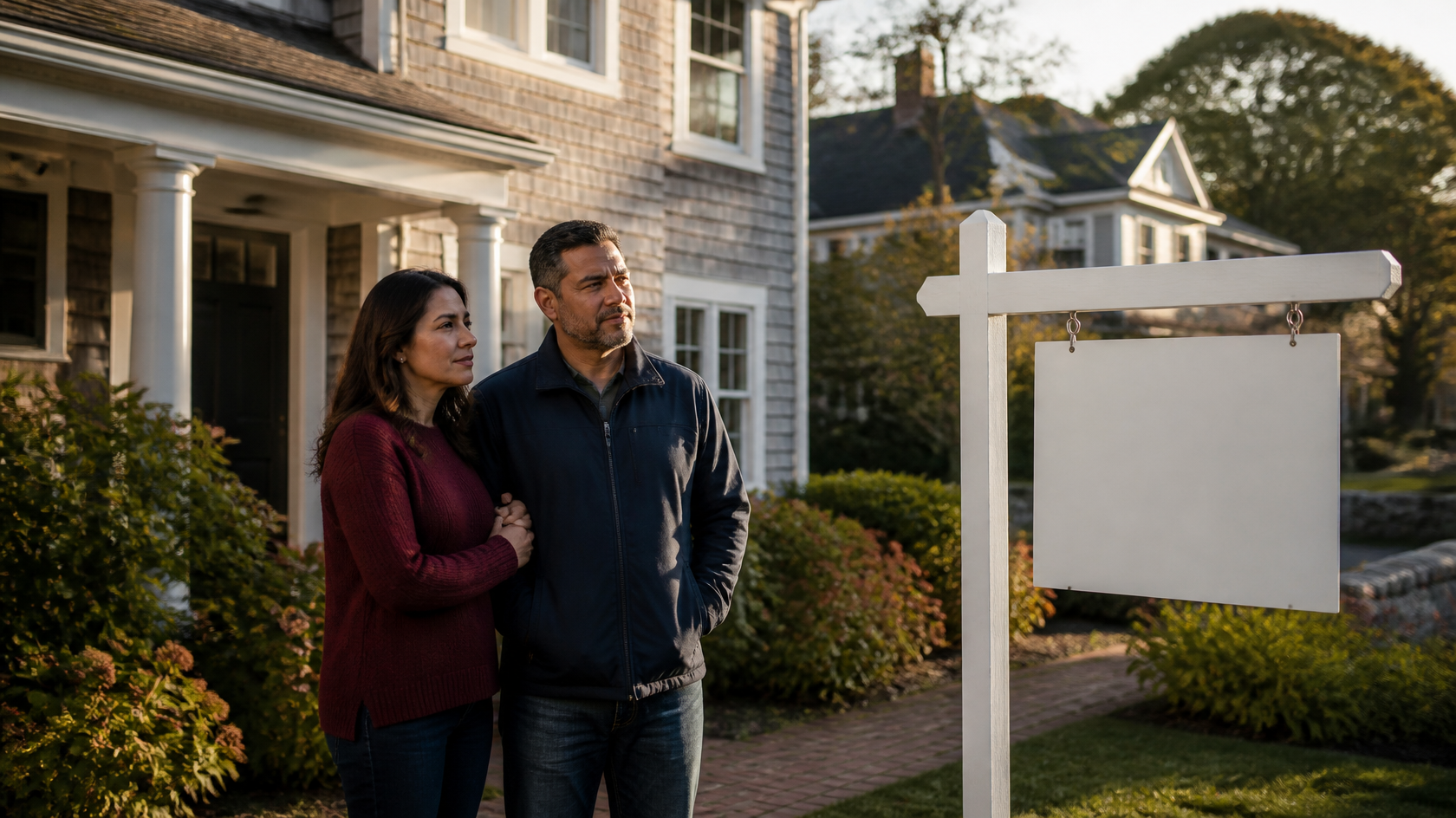
How Long Does It Usually Take to Sell a House in Rhode Island?
There is no single timeline that applies to every home in Rhode Island. Some properties attract offers soon after listing, while others may remain on the market for several weeks or longer before finding the right buyer.
The overall process has two main stages: the time your property spends on the market before going under contract and the time needed to complete the transaction after accepting an offer.
Once a buyer and seller sign a purchase agreement, closing often takes approximately 30 to 60 days, although cash purchases and certain financing arrangements may close sooner. Delays can occur if the buyer's mortgage approval, appraisal, title review, or inspection negotiations take longer than expected.
If you are planning to sell in Providence, Cranston, Warwick, Pawtucket, or another Rhode Island community, reviewing recent sales of comparable homes can help you establish a more realistic timeline.
What Factors Affect How Quickly Your House Sells?
Several factors influence how quickly a property attracts qualified buyers. Understanding these elements can help you prepare before putting your home on the market.
Pricing: An asking price that reflects current market conditions can generate interest and encourage competitive offers. Overpricing may reduce showings and lead to price reductions later.
Location: Buyer demand varies by neighborhood, commute options, school districts, access to amenities, and local housing inventory. A property in one part of Rhode Island may sell at a different pace from a similar home elsewhere.
Condition and presentation: Homes that are clean, well-maintained, and easy to show may appeal to more buyers. Visible maintenance issues, outdated features, or needed repairs can affect buyer interest and negotiations.
Market conditions: Interest rates, available inventory, seasonal demand, and buyer confidence can all influence how quickly homes sell. Conditions in Rhode Island may also differ from nearby Massachusetts and Connecticut markets.
Marketing and accessibility: Professional photography, accurate listing details, broad online exposure, and flexible showing availability can help qualified buyers discover and tour your property.
Although sellers cannot control every market factor, they can make informed decisions about pricing, preparation, and marketing.
Does the Time of Year Affect How Long It Takes to Sell?
Seasonality can influence buyer activity in Rhode Island. Spring often brings increased home-shopping activity as buyers look to move before summer or the start of a new school year. However, more listings may also mean greater competition.
Summer can bring motivated buyers, including households hoping to relocate before fall. In autumn and winter, some buyers may have fewer scheduling options because of holidays, weather, or work commitments. Others continue searching because of job changes, lease expirations, or specific housing needs.
The best time to sell depends on more than the calendar. Your property's condition, asking price, neighborhood demand, and personal moving plans are important considerations.
If you are selling during a quieter season, accurate pricing and strong presentation become especially important. Rather than automatically waiting until spring, compare current local listings and recent sales to determine whether listing now makes sense for your situation.
How Can You Help Your House Sell Faster?
You cannot guarantee that a home will sell within a specific number of days, but preparation can help reduce avoidable delays.
Start by reviewing comparable properties that have recently sold in your area. Look at similar homes in terms of size, condition, features, and location—not just their original asking prices. A realistic price can help attract serious buyers from the beginning.
Next, address basic maintenance issues. Repair obvious defects, declutter rooms, improve lighting, and make the entryway welcoming. You do not necessarily need a major renovation; small improvements can make the property easier to evaluate during showings.
Prepare your listing materials before going live. Clear photographs, accurate property information, and a thoughtful marketing plan help buyers understand what the home offers.
It is also useful to organize documents that may be needed during the transaction, including permits, warranties, utility information, and records of completed improvements when available.
Finally, discuss showing availability and offer review strategies with your real estate professional. Responding promptly to inquiries and keeping the home accessible can help prevent missed opportunities.
What Happens After You Accept an Offer?
Accepting an offer is an important milestone, but it does not mean the sale is complete. The remaining timeline depends on the terms of the purchase agreement and whether the buyer is paying cash or using financing.
The next steps may include a home inspection, negotiations over repairs or credits, appraisal, mortgage underwriting, title review, and preparation for closing. Each stage can introduce delays if issues arise or requested documents are missing.
For example, an appraisal that comes in below the agreed purchase price may require further negotiation. Inspection findings may lead the parties to discuss repairs or other terms. Mortgage approval can also take longer if the lender needs additional financial records.
Sellers can help the process move forward by responding to document requests promptly, maintaining the property's agreed-upon condition, and coordinating with their agent, attorney, and other professionals involved in the transaction.
If you are planning to purchase another home after selling, build some flexibility into your moving schedule. Understanding both the marketing timeline and the closing process can help you make better decisions about your next move.
Frequently Asked Questions
How many days does it take to sell a house in Rhode Island?
The time varies by property and market conditions. Some homes receive offers quickly, while others take several weeks or longer. The full process also includes the period between accepting an offer and closing.
How long does it take to close on a house in Rhode Island?
Many financed home purchases take approximately 30 to 60 days after the purchase agreement is signed. The timeline can vary depending on the lender, appraisal, title review, contract terms, and any issues that arise.
Do homes sell faster in spring in Rhode Island?
Spring often brings increased buyer activity, but results depend on local inventory, competition, pricing, and property condition. A well-priced home can attract buyers in other seasons, too.
What can make a house take longer to sell?
Overpricing, needed repairs, limited showing availability, high competition, and changing market conditions can extend the time a home spends on the market. Financing or inspection issues may also delay closing after an offer is accepted.
Should I lower my asking price if my house is not selling?
Not automatically. Review showing activity, buyer feedback, comparable sales, and competing listings with your real estate professional. If the price is not aligned with current market conditions, a strategic adjustment may help attract renewed interest.
Thinking about selling your home in Rhode Island? Alex Parmenidez can help you evaluate local market conditions, prepare your property, and develop a pricing and marketing strategy based on your goals. A conversation before listing can help you understand your options and plan your next steps.
Thinking about buying?
Let's talk through your numbers first.
A 30-minute call covers what you can afford comfortably, what taxes and insurance really cost in the town you're looking at, and which loan programs fit you. You work directly with Alex from the first call to closing.
Schedule a buyer callEnglish or Spanish · Call or text 401-426-4857 · Contact form
196 Waterman St, Providence, RI 02906 · C: (401) 426-4857 · O: (401) 351-2017 · [email protected] · alexparmenidez.realtor
Check out this article next
¿Cuánto Tiempo Se Tarda en Vender una Casa en Rhode Island?
Vender una casa en Rhode Island puede tomar desde varias semanas hasta unos cuantos meses
Read Article