
How Old Is Too Old for a Roof When Buying a Home?
TL;DR
There is no single age that automatically makes a roof too old to buy a home. Many asphalt-shingle roofs last roughly 20–30 years, while architectural shingles and other roofing materials can last longer depending on installation, maintenance, weather, and quality. For buyers in Rhode Island and New England, the roof's age, condition, remaining useful life, installation quality, and insurance requirements all matter when deciding whether a home is a good investment.
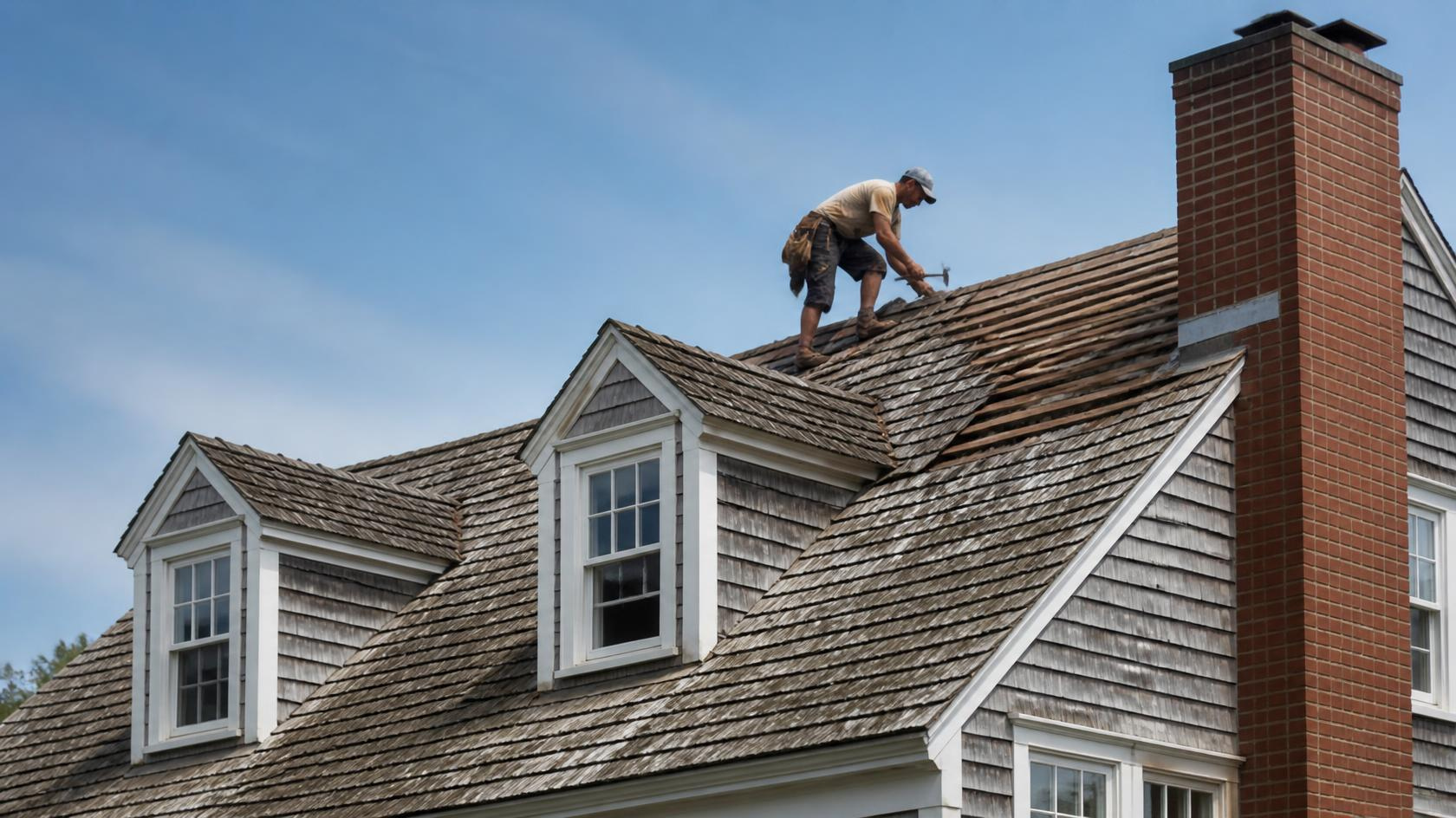
How Old Is Too Old for a Roof?
A roof's age is an important consideration when buying a home, but age alone doesn't tell the entire story.
A 20-year-old roof that has been properly maintained and remains in good condition may perform better than a 12-year-old roof that was poorly installed or has experienced significant weather damage.
For many conventional asphalt-shingle roofs, a useful general range is around 20 to 30 years, although actual life expectancy varies considerably. Architectural shingles can sometimes last longer, while premium roofing materials such as metal, slate, or certain tile systems may have substantially different lifespans.
The important question for a buyer isn't simply:
"How old is the roof?"
It is:
"How much useful life does this roof realistically have left, and what will it cost me when replacement becomes necessary?"
A roof that is near the end of its expected service life doesn't automatically mean you should walk away from the property. It does mean you should understand the potential expense before committing to the purchase.
What Should Buyers Look for When Evaluating an Older Roof?
The roof should be evaluated based on its current condition, not just the installation date.
During a home inspection, buyers should pay attention to signs such as missing or damaged shingles, curling or buckling shingles, exposed roofing material, excessive granule loss, damaged flashing, visible leaks, water stains, or areas where the roof appears to be deteriorating.
The attic can provide additional clues. Signs of moisture, water staining, mold-like growth, damaged insulation, or inadequate ventilation may indicate problems that aren't obvious from the ground.
The roof's history is also valuable. Ask whether the roof has ever been repaired, whether there have been previous leaks, and whether documentation is available for the original installation or subsequent repairs.
In New England, weather exposure deserves particular attention. Heavy snow, ice, wind, freeze-thaw cycles, and seasonal temperature changes can all contribute to roof wear over time.
That's why two roofs of the same age may have very different remaining lifespans.
How Does an Old Roof Affect a Home Purchase?
An older roof can affect your purchase in several ways, particularly when it comes to budgeting, inspections, financing, insurance, and negotiations.
If the roof is approaching the end of its expected life, you may need to plan for replacement sooner than you would with a newer roof. Depending on the property's size and roofing material, replacement can represent a significant expense.
Insurance can also become an important consideration. Some insurers may have specific underwriting requirements or limitations involving older roofs, and availability and terms can vary. Buyers should confirm that they can obtain appropriate homeowners insurance for the property before closing.
An older roof can also become part of the negotiation after the home inspection. Depending on the condition and the terms of the purchase agreement, a buyer may request repairs, a credit, a price adjustment, or another negotiated solution.
However, sellers don't necessarily have to replace an older roof simply because it is old. If the roof is functioning properly and the asking price reflects its condition, the buyer may decide that the property still makes sense.
The right decision depends on the overall value of the home and the buyer's financial position.
Should You Avoid Buying a House With an Old Roof?
Not necessarily.
An older roof can actually be an opportunity if the home is otherwise a strong fit and the buyer understands the future expense.
For example, imagine two homes are priced similarly. One has a newer roof but needs significant work inside, while the other has an older roof but has a renovated kitchen, updated electrical system, newer heating equipment, and excellent overall condition.
The older roof doesn't automatically make the second property the worse investment.
Instead, buyers should consider the entire property and estimate the cost of bringing it to the condition they want.
If the roof is nearing the end of its life, you can ask questions such as:
- How old is the roof?
- What type of roofing material was used?
- Has the roof been repaired?
- Are there any known leaks?
- What did the home inspector find?
- How much useful life may remain?
- Can the property be insured?
- What would replacement potentially cost?
- Does the asking price reflect the roof's condition?
- Can you comfortably handle the future replacement expense?
Getting answers to these questions can turn an unknown future expense into something you can actually plan for.
What Should Buyers Do Before Purchasing a Home With an Older Roof?
The best approach is to investigate the roof before becoming financially committed to the property.
Start by reviewing the seller's disclosures and any available documentation regarding the roof. Ask about the installation date, previous repairs, warranties, and known issues.
Then have the property professionally inspected. A general home inspection can identify visible concerns and provide valuable information about the roof's condition, but buyers may also consider obtaining a qualified roofing contractor's evaluation when the roof is older or the inspection raises concerns.
Buyers should also speak with their insurance provider early in the transaction. Don't wait until the last minute to discover that an older roof creates an insurance problem.
Finally, consider the roof within the context of the home's overall financial picture.
A house with a 25-year-old roof isn't automatically a bad purchase. But if you would struggle financially to replace that roof in the next few years, you need to factor that possibility into your decision.
The goal isn't necessarily to find a home with a brand-new roof. It's to understand what you're buying, what may need to be replaced, and whether the total cost fits your budget.
Frequently Asked Questions
How many years should a roof last?
Many asphalt-shingle roofs last approximately 20–30 years, but lifespan varies based on the roofing material, installation quality, maintenance, ventilation, weather exposure, and other factors.
Is a 20-year-old roof too old to buy a house?
Not necessarily. A 20-year-old roof may still have useful life remaining, depending on its material and condition. Buyers should have it inspected and determine whether replacement may be needed in the near future.
Should I ask the seller to replace an old roof?
You can negotiate based on the roof's condition and the terms of the purchase agreement, but the seller may not be required to replace it simply because it is old. Possible negotiations can include repairs, a credit, a price adjustment, or other mutually acceptable terms.
Can you get homeowners insurance with an old roof?
It may be possible, but insurance requirements vary by company and property. Buyers should contact an insurance provider before closing to determine whether appropriate coverage is available and whether the roof's age or condition affects the policy.
Should I get a roof inspection when buying an older home?
If the roof is older, near the end of its expected lifespan, or raises concerns during the general home inspection, getting an evaluation from a qualified roofing professional can provide additional information before you finalize the purchase.
Thinking about buying?
Let's talk through your numbers first.
A 30-minute call covers what you can afford comfortably, what taxes and insurance really cost in the town you're looking at, and which loan programs fit you. You work directly with Alex from the first call to closing.
Schedule a buyer callEnglish or Spanish · Call or text 401-426-4857 · Contact form
196 Waterman St, Providence, RI 02906 · C: (401) 426-4857 · O: (401) 351-2017 · [email protected] · alexparmenidez.realtor
Check out this article next
¿Qué Tan Viejo es Demasiado Viejo para un Techo al Comprar una Casa?
No existe una edad específica que automáticamente haga que un techo sea demasiado viejo para comprar una vivienda.
Read Article