
How to Choose the Right Neighborhood When Buying a Home
TL;DR
When buying a home, choosing the right neighborhood is just as important as choosing the property itself. Factors like schools, commute time, walkability, and community amenities can shape your daily lifestyle and influence the long-term value of your investment.
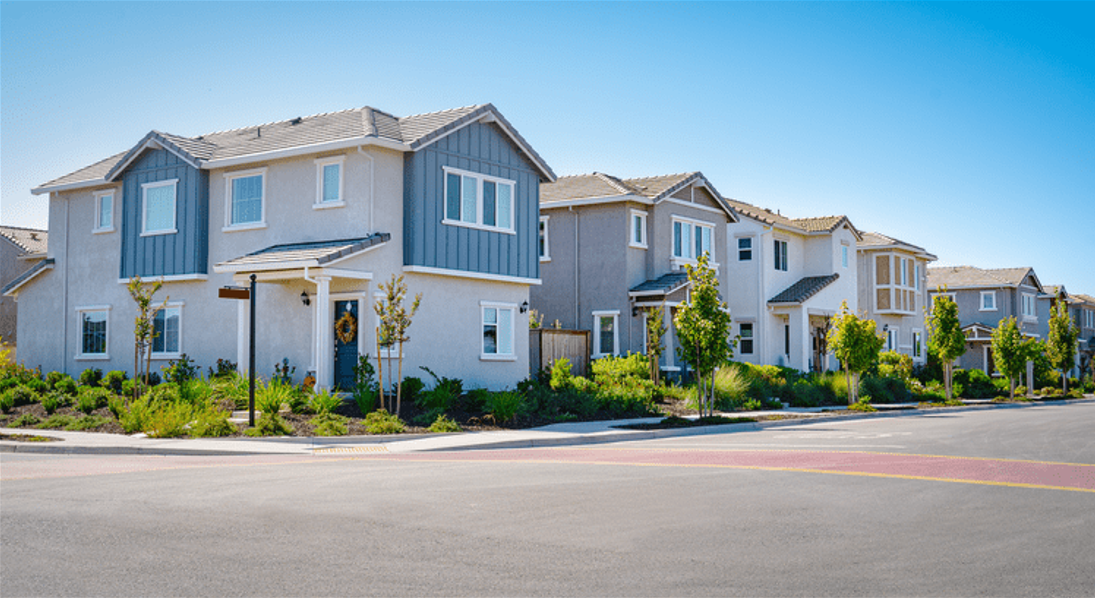
Why the Neighborhood Matters as Much as the Home
Many homebuyers focus on the features inside the home—such as square footage, kitchen upgrades, or the number of bedrooms. While those details matter, the neighborhood you choose can have an even greater impact on your everyday life.
Unlike a home's interior, which can often be renovated or updated, the location and surrounding environment cannot be changed. The nearby schools, transportation options, community resources, and walkability all contribute to how comfortable and convenient your life will feel once you move in.
Taking time to research the neighborhood carefully can help ensure your new home fits both your current needs and long-term goals.
Evaluating School Districts and Education Options
Schools are often one of the most important considerations when choosing a neighborhood, especially for families with children. Homes located in well-regarded school districts tend to attract strong buyer demand and may hold their value well over time.
Even buyers without school-aged children often consider school districts because they can influence future resale value. Many prospective buyers prioritize areas with access to quality education, which can make homes in those neighborhoods more competitive.
Researching school ratings, visiting nearby campuses, and exploring educational programs in the area can provide helpful insights before making a decision.
Considering Your Daily Commute
Another important factor when selecting a neighborhood is how easily you can travel to work and other frequently visited locations.
A home may look perfect on paper, but a long or stressful commute can quickly impact daily routines and quality of life. Evaluating typical travel times during peak hours can help you understand how convenient the location will be.
Access to major highways, public transportation options, and proximity to essential services like grocery stores, healthcare facilities, and shopping centers can also make a neighborhood more practical and appealing.
The Importance of Walkability and Accessibility
Walkability is becoming an increasingly important feature for many homebuyers. Neighborhoods that allow residents to walk to parks, coffee shops, restaurants, or local stores can provide a more enjoyable and convenient lifestyle.
Walkable communities often encourage outdoor activity and social interaction, helping residents feel more connected to the area. In addition, neighborhoods with strong walkability may attract future buyers who value convenience and accessibility.
Even if walkability isn't your top priority, having nearby amenities within a short distance can still improve day-to-day convenience.
Exploring Community Amenities and Lifestyle
Community amenities can also play a big role in determining whether a neighborhood feels like the right fit.
Features such as parks, recreational facilities, libraries, trails, and community centers often enhance the overall living experience. Some neighborhoods also offer community events, farmers markets, or shared outdoor spaces that encourage residents to connect with one another.
These amenities contribute to the overall atmosphere of a neighborhood and can make a location feel more vibrant and welcoming.
Spend Time in the Neighborhood Before Deciding
One of the best ways to evaluate a neighborhood is simply spending time there before making a decision.
Visiting at different times of the day—such as mornings, evenings, and weekends—can help you observe traffic patterns, noise levels, and community activity. Walking around the neighborhood, visiting local shops, or talking with residents may provide insights that online research alone cannot reveal.
Taking these extra steps can help ensure that the neighborhood aligns with your expectations and lifestyle.
Frequently Asked Questions
Q: What should I consider when choosing a neighborhood to buy a home?
A: Important factors include school districts, commute times, walkability, nearby amenities, safety, and the overall community environment. These elements can influence both your daily lifestyle and long-term property value.
Q: How important are school districts when buying a home?
A: School districts often play a significant role in property demand and resale value. If you'd like to explore neighborhoods with strong schools and community amenities, you can find more local insights on my website.
Q: Why does commute time matter when choosing a neighborhood?
A: Commute time can affect daily routines, stress levels, and overall quality of life. Shorter and more convenient commutes often make a neighborhood more desirable for homeowners.
Q: What does walkability mean when looking at neighborhoods?
A: Walkability refers to how easy it is to access everyday destinations such as parks, restaurants, shops, and services on foot. If you'd like to explore neighborhoods that offer convenient access to amenities, you can browse more options on my website.
Q: How can I tell if a neighborhood is right for me?
A: Visiting the area multiple times, exploring nearby businesses, and observing the community atmosphere can help you determine whether a neighborhood fits your lifestyle and long-term goals.
Check out this article next

¿Es Mejor Comprar o Rentar Cuando las Tasas de Interés Son Altas?
Las tasas de interés juegan un papel importante en el mercado inmobiliario porque afectan directamente la asequibilidad de las hipotecas.
Read ArticleThinking about buying?
Let's talk through your numbers first.
A 30-minute call covers what you can afford comfortably, what taxes and insurance really cost in the town you're looking at, and which loan programs fit you. You work directly with Alex from the first call to closing.
Schedule a buyer callEnglish or Spanish · Call or text 401-426-4857 · Contact form
196 Waterman St, Providence, RI 02906 · C: (401) 426-4857 · O: (401) 351-2017 · [email protected] · alexparmenidez.realtor