
Is It Better to Sell As-Is or Make Repairs?
TL;DR
Whether it’s better to sell a home as-is or make repairs depends on the condition of the property, market demand, and seller goals. Strategic repairs often improve buyer confidence, but selling as-is can make sense in certain situations.
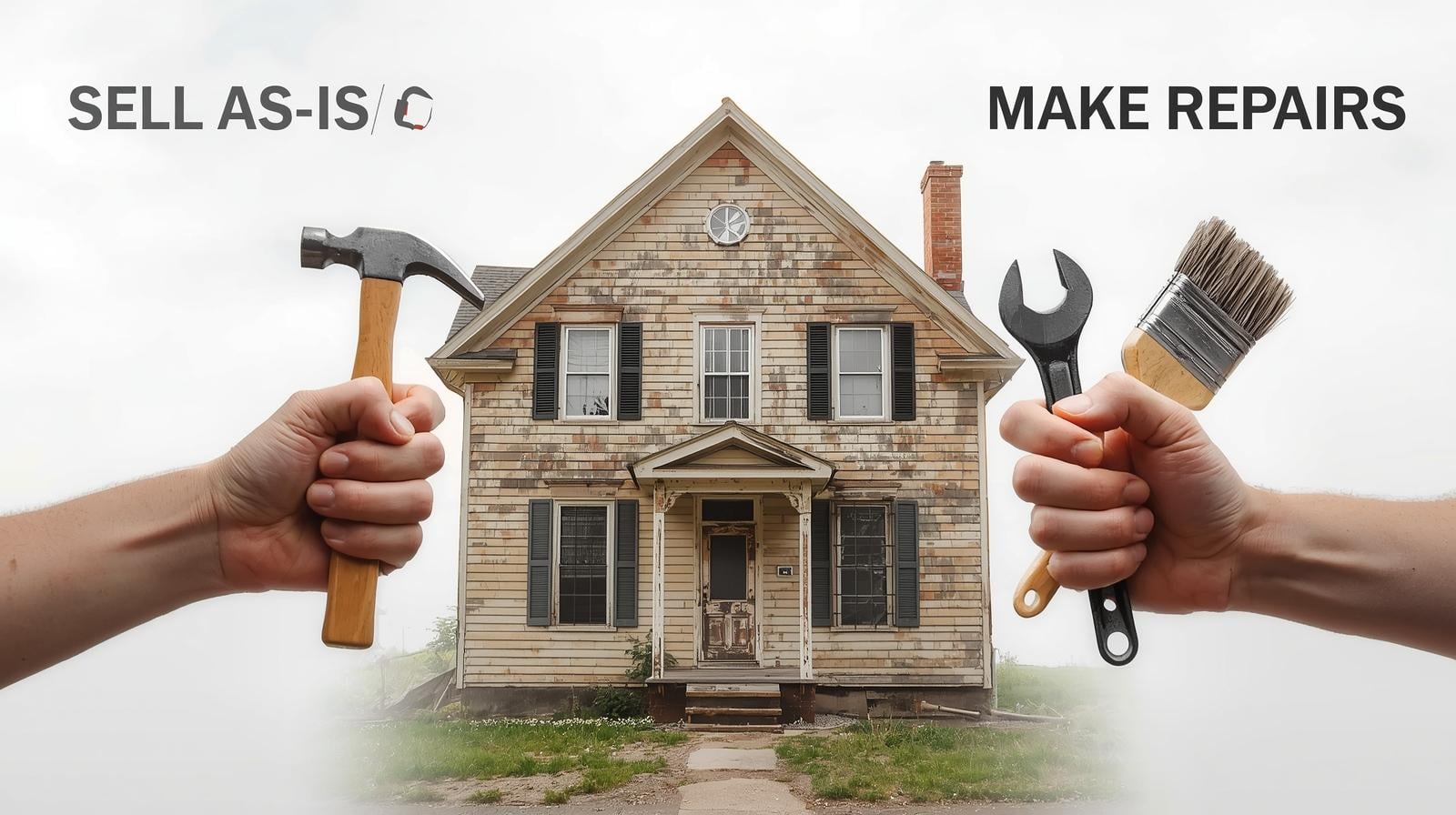
What Does Selling a Home “As-Is” Really Mean?
Selling a home as-is means the seller does not plan to make repairs or improvements before closing. Buyers understand that the home will be sold in its current condition, even if issues are discovered during inspections.
This does not mean inspections are waived or that buyers cannot negotiate. Instead, it sets expectations early and often attracts buyers who are prepared for repairs or renovation projects.
When Selling As-Is May Make Sense
Selling as-is can be a practical option when repairs are extensive, time is limited, or the property is priced to reflect its condition. Homes sold as-is may appeal to investors, cash buyers, or buyers looking for a project.
In strong markets, as-is properties can still receive solid interest, especially when priced correctly. However, sellers should be aware that as-is listings may receive fewer offers or more conservative pricing.
Repairs That Often Help Homes Sell Faster
Not all repairs are equal. Small, visible fixes often provide the greatest return by improving buyer confidence and first impressions.
Common high-impact repairs include:
Fixing obvious safety issues
Addressing minor plumbing or electrical concerns
Repairing damaged flooring or walls
Refreshing paint and lighting
These improvements help buyers focus on the home’s potential rather than its problems.
How Repairs Affect Buyer Perception and Offers
Buyers typically factor repair needs into their offer price. When a home appears well maintained, buyers are often more comfortable making stronger offers and moving forward with fewer contingencies.
Homes that feel “move-in ready” tend to attract a broader pool of buyers, including those using financing, which can increase competition and improve overall terms.
How to Decide What’s Right for Your Situation
The decision to sell as-is or make repairs should be based on market conditions, budget, timeline, and the type of buyer most likely to purchase the home.
A professional evaluation helps sellers prioritize which repairs, if any, are worth completing and which may not provide a return. This strategic approach avoids overspending while maximizing appeal.
Frequently Asked Questions
Q: Is it better to sell a house as-is or make repairs?
A: It depends on the home’s condition, market demand, and seller goals. Some homes benefit from repairs, while others sell well as-is when priced correctly.
Q: Will selling as-is reduce my home’s value?
A: Selling as-is can affect pricing because buyers factor repairs into their offers. If you’d like help understanding how condition impacts value, you can find helpful market guidance on my website.
Q: What repairs usually matter most to buyers?
A: Buyers tend to prioritize safety, functionality, and visible condition issues over cosmetic upgrades.
Q: Should I fix everything before listing?
A: Not necessarily. Strategic repairs often outperform full renovations. If you’d like guidance on which repairs make sense, you can explore seller resources on my site.
Q: Can an agent help me decide what to repair?
A: Yes, a professional evaluation can help determine which updates improve appeal and which can be skipped. If you’d like support with this decision, you can find more information on my website.
By Alex Parmenidez, Broker Associate | Coldwell Banker Realty
Alex Parmenidez | Broker Associate Licensed in RI, CT, & MA | Coldwell Banker Realty
196 Waterman St, Providence, RI 02906
C: (401) 426-4825 | O: (401) 351-2017
Check out this article next

Mejoras en el Hogar que Realmente Te Devuelven el Dinero al Vender
Los compradores se enfocan menos en cuánto costó una mejora y más en cómo hace que la vivienda se sienta, funcione y se muestre.
Read Article