
Oil vs. Gas vs. Electric Heating: What Rhode Island Buyers Should Know
TL;DR
Rhode Island homes commonly use heating oil, natural gas, and electric systems. Each has different costs, maintenance requirements, and considerations for buyers. Understanding the heating system, its age, condition, energy use, and potential replacement costs can help you make a more informed decision before purchasing a home.
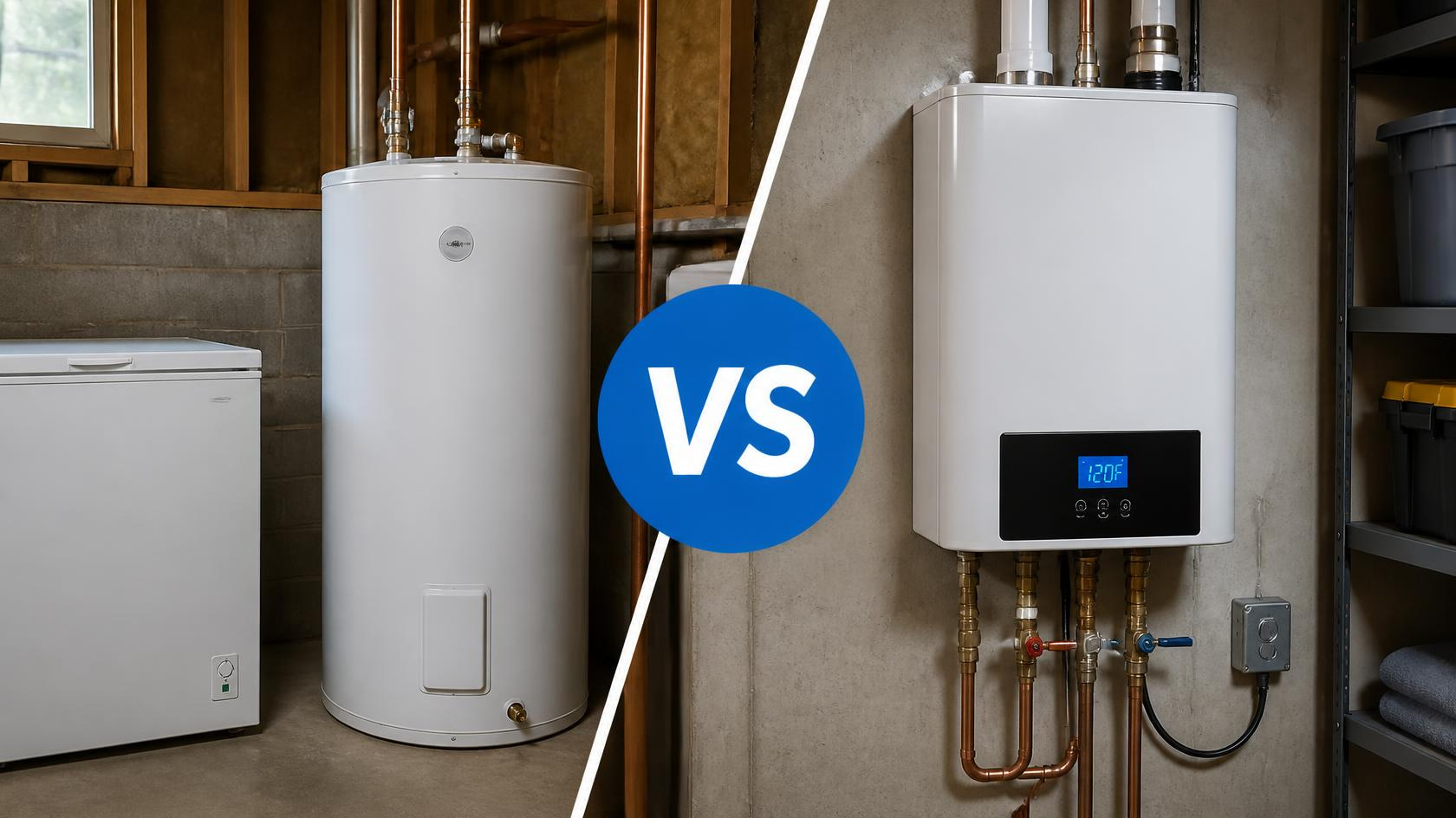
What Heating Systems Are Common in Rhode Island?
Heating oil and natural gas are two of the most common heating fuels in Rhode Island. The Rhode Island Office of Energy Resources reports that about half of Rhode Islanders use natural gas for heating, while approximately one-third use heating oil.
Electric heating is also becoming increasingly important, particularly with the growth of air-source heat pumps.
For buyers, the type of heating system is only the starting point. The system's age, condition, efficiency, maintenance history, and operating costs can be just as important.
What Should Buyers Know About Oil Heat?
Oil heating remains common throughout Rhode Island and New England.
An oil-heated home typically has a furnace or boiler and an on-site fuel tank that needs to be filled by an oil-delivery company.
Potential advantages include:
- Strong heating performance during cold weather
- Familiar technology throughout New England
- Existing infrastructure in many older homes
Buyers should pay attention to:
- Age and condition of the boiler or furnace
- Age and condition of the oil tank
- Maintenance history
- Recent heating bills
- Potential replacement costs
The Rhode Island Office of Energy Resources notes that heating oil prices can fluctuate and that oil is among the more expensive heating options.
That does not mean buyers should automatically avoid an oil-heated home. A well-maintained system can still provide reliable heat.
What Should Buyers Know About Natural Gas and Electric Heat?
Natural gas is widely used in Rhode Island and is typically delivered directly to the home through a utility pipeline.
Gas heating can eliminate the need for an on-site fuel tank and is commonly used with furnaces or boilers.
The Rhode Island Office of Energy Resources estimates that natural gas produces roughly 30% less carbon dioxide than heating oil when used for heating.
Electric heat requires a little more explanation because not all electric systems work the same way.
Traditional electric resistance heating, such as electric baseboards, uses electricity directly to create heat.
Heat pumps are different. They transfer heat rather than creating it through electrical resistance. Modern air-source heat pumps can provide both heating and cooling and can operate in Rhode Island's climate.
For buyers, it is important to identify exactly what type of electric heating the property uses.
How Should Rhode Island Buyers Compare Oil, Gas, and Electric?
There is no single heating system that is best for every home.
| Factor | Oil | Natural Gas | Electric / Heat Pump |
|---|---|---|---|
| Fuel source | Delivered oil | Utility pipeline | Electricity |
| On-site tank | Usually | No | No |
| Cooling included | Usually no | Usually no | Heat pumps can provide cooling |
| Main concern | Tank and equipment | Equipment and utility costs | Equipment, efficiency, electrical capacity |
| Maintenance | Boiler/furnace + tank | Furnace/boiler | Indoor and outdoor equipment |
| Energy costs | Can fluctuate | Can vary | Depends on electricity rates and system efficiency |
The most important comparison is not simply the fuel type.
Buyers should evaluate the specific heating system installed in the home.
A newer heat pump, for example, should not automatically be compared with an older electric baseboard system as though they were equivalent.
What Should You Check Before Buying a Rhode Island Home?
The heating system should be part of your overall home-buying due diligence.
Before making a decision, consider:
Heating bills: Ask for recent utility or fuel bills when available.
System age: Find out how old the furnace, boiler, or heat pump is.
Maintenance: Ask whether the system has been regularly serviced.
Oil tanks: If the property uses oil, investigate the tank's age, location, and condition.
Electrical service: Buyers considering future heat-pump installation should determine whether the home's electrical capacity is adequate. Some properties may require an electrical upgrade. (energy.ri.gov)
Professional inspection: Have the heating system evaluated as part of the home inspection process, and consider additional HVAC evaluation when appropriate.
Which Heating System Is Best for a Rhode Island Home?
The answer depends on the property and the buyer.
A home with an older oil boiler may require different considerations than a newer home with a high-efficiency gas system or a modern heat pump.
Buyers should consider:
- Current operating costs
- Equipment condition
- Maintenance requirements
- Expected replacement costs
- Energy efficiency
- Cooling needs
- Electrical capacity
- Long-term plans for the property
Rather than automatically choosing or rejecting a home based on whether it uses oil, gas, or electricity, buyers should understand the specific system and its future costs.
Frequently Asked Questions
Is oil heat bad for a home in Rhode Island?
Not necessarily. Oil heating remains common in Rhode Island. The condition and age of the heating equipment and oil tank are more important than simply having oil heat.
Is natural gas cheaper than oil heat?
Operating costs vary based on fuel prices, equipment efficiency, home size, insulation, and usage. Buyers should review the property's actual heating bills when possible.
Is electric heat a good option in Rhode Island?
It depends on the system. Traditional electric resistance heating and heat pumps work differently. Modern heat pumps can provide efficient heating and cooling in Rhode Island's climate.
Should I avoid buying a house with an old boiler?
Not automatically. Buyers should consider its condition, maintenance history, efficiency, remaining useful life, and potential replacement cost.
Should I buy a house with oil, gas, or electric heat?
There is no universal answer. Evaluate the specific system, energy costs, condition, maintenance requirements, and potential future expenses before making your decision.
By Alex Parmenidez, Broker Associate | Coldwell Banker Realty
Alex Parmenidez | Broker Associate Licensed in RI, CT, & MA | Coldwell Banker Realty
196 Waterman St, Providence, RI 02906
C: (401) 426-4825 | O: (401) 351-2017
Check out this article next
Comparación entre Calefacción de Aceite, Gas y Electricidad: Lo Que los Compradores de Rhode Island Deben Saber
Las viviendas de Rhode Island utilizan comúnmente sistemas de calefacción de aceite, gas natural y electricidad.
Read Article