
Protecting Your Family from Lead Hazards: A Homeowner’s Essential Guide
TL;DR
Homes built before 1978 may contain lead-based paint, which can create serious health risks if disturbed or deteriorating. Lead dust and paint chips can harm children and adults, especially during renovations. The safest approach is to test for lead, maintain painted surfaces, and hire certified professionals if removal or repairs are needed.
Why Lead Paint Still Matters for Homeowners
If you are planning to buy, rent, or renovate a home built before 1978, there is an important safety issue you should understand: lead-based paint.
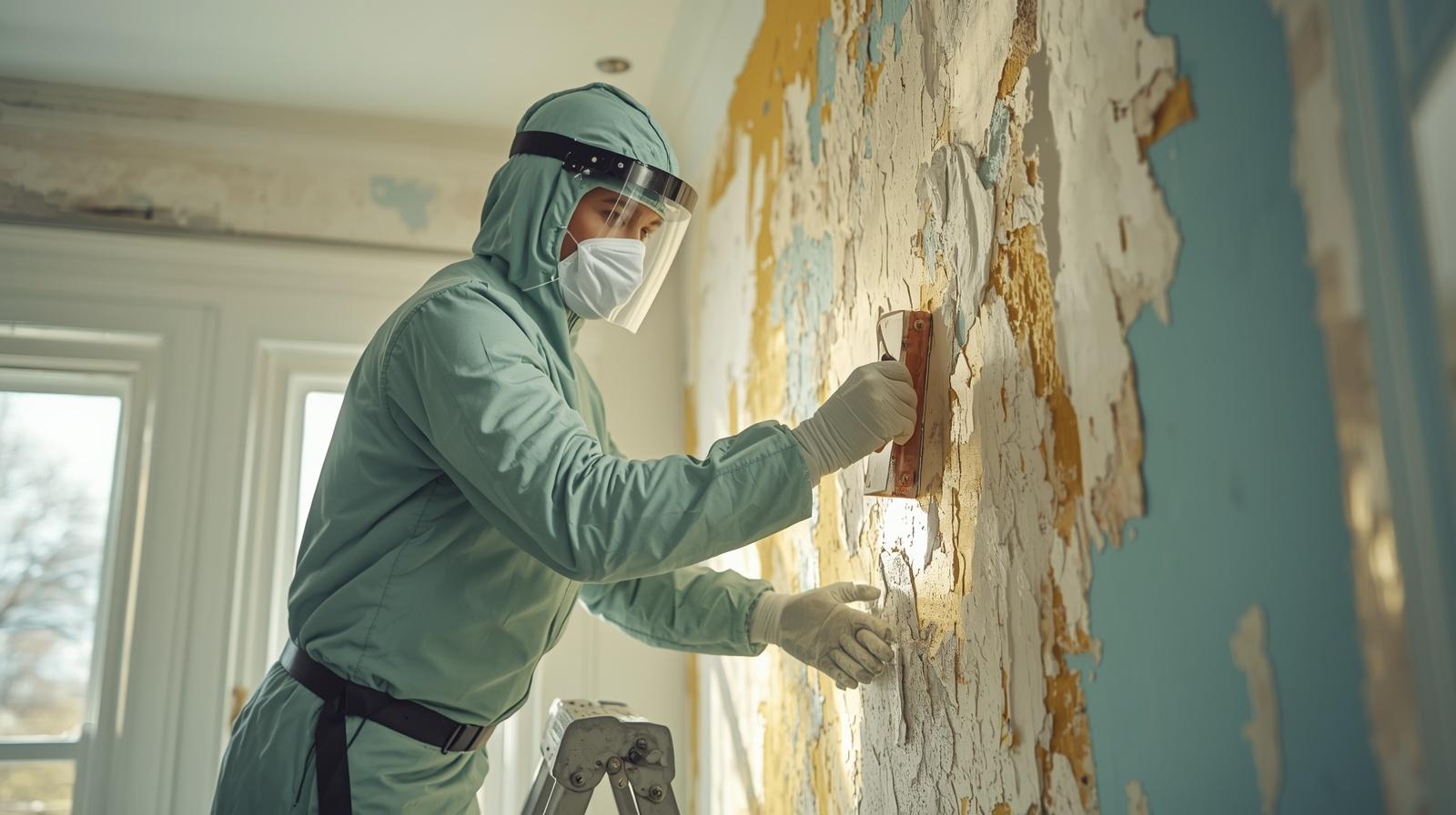
Although lead paint was banned for residential use in 1978, millions of homes still contain it today. In many cases it remains harmless if it is sealed and undisturbed. However, when the paint begins to deteriorate or is disturbed during renovations, it can release dangerous dust.
Understanding how lead exposure happens and how to prevent it is essential for protecting your household.
What Is Lead and Why Is It Dangerous?
Lead is a toxic metal that was widely used in paint because of its durability and color stability. Over time, painted surfaces can break down into tiny dust particles or paint chips, which can easily enter the body.
Exposure most commonly happens in two ways:
Breathing Lead Dust: Renovation work such as sanding, drilling, or scraping old paint can release contaminated dust into the air.
Swallowing Lead Particles: Children may ingest lead by touching contaminated surfaces and putting their hands or toys in their mouths. Adults may accidentally ingest it through contaminated food preparation surfaces.
Even small amounts of lead exposure can cause serious health effects.
Who Is Most at Risk?
While lead can affect anyone, young children under age six are the most vulnerable.
Their bodies absorb lead more easily, and their brains and nervous systems are still developing.
Health Effects in Children:
Exposure to lead can cause:
Damage to the brain and nervous system
Learning disabilities and reduced IQ
Speech and language delays
Behavioral problems
In severe cases, seizures or death
Health Effects in Adults:
Adults can also suffer health consequences, including:
High blood pressure
Memory and concentration problems
Nerve disorders
Muscle and joint pain
Fertility complications
Lead exposure is also especially dangerous during pregnancy because lead can pass to the fetus.
How to Detect Lead in Your Home
One of the challenges with lead hazards is that you cannot identify lead paint simply by looking at it. There are several ways to determine if your home contains lead hazards.
1. Visual Inspection:
Look for deteriorating or damaged paint, especially in areas with frequent friction or wear:
Window sills and frames
Doors and door frames
Stair railings and porches
Peeling, chipping, or chalking paint
These areas often generate lead dust when surfaces rub together.
2. Professional Lead Testing:
Professional inspectors can perform several types of tests:
- Paint inspection determines whether lead-based paint exists and where it is located.
- Risk assessment identifies whether lead hazards currently exist in paint, dust, or soil and recommends solutions.
- Soil and Dust Testing: checks exterior soil and interior dust where lead particles often accumulate.
3. Blood Testing:
If exposure is suspected, a simple blood test can determine whether lead has entered the body.
Doctors typically recommend testing children at ages one and two, when the risk of exposure is highest.
Practical Steps to Reduce Lead Exposure
If your home may contain lead-based paint, the goal is to control exposure rather than panic.
Never attempt to remove lead paint yourself without proper training.
Here are immediate actions homeowners can take:
Keep Surfaces Clean: Regularly clean floors, windowsills, and other surfaces with warm water and a household cleaner.
Wash Hands and Toys Frequently: Children's toys, bottles, and pacifiers should be washed often to prevent ingestion of lead dust.
Encourage excellent nutrition: Foods rich in iron, calcium, and vitamin C can help reduce the body’s absorption of lead.
Remove Shoes at the Door: Lead-contaminated soil from outside can easily be tracked indoors.
Renovating a Pre-1978 Home: What You Must Know
Renovations can release large amounts of lead dust if proper precautions are not taken.
Federal regulations require contractors working on older homes to follow Lead-Safe Work Practices.
This means:
Containing the work area
Using specialized cleaning procedures
Minimizing dust during repairs
Avoid dangerous methods such as:
Open-flame burning
Power sanding without containment
Heat guns above 1100°F
These techniques can release toxic lead fumes and dust.
Permanent Solutions: Lead Abatement
If a homeowner wants to permanently eliminate lead hazards, a certified lead abatement contractor must perform the work.
Common abatement methods include:
Removing lead-painted surfaces
Enclosing the surface behind protective barriers
Sealing paint with specialized coatings
Professional abatement ensures the hazard is removed safely and legally.
Key Takeaways for Homeowners
Lead hazards are manageable with the right approach. Keep these key guidelines in mind:
Assume homes built before 1978 may contain lead-based paint.
Test your home and consider blood testing for young children.
Never attempt DIY removal of lead paint.
Always hire certified professionals for renovations or abatement.
Staying informed and proactive is the best way to protect your home and your family.
Frequently Asked Questions
Q: Do all homes built before 1978 contain lead paint?
A: Not all of them, but many do. Because it was commonly used before the ban, it is safest to assume older homes may contain lead paint until testing confirms otherwise.
Q: Is lead paint dangerous if it is not peeling?
A: Lead paint that is intact and sealed is usually not hazardous. The risk increases when the paint begins to chip, peel, or is disturbed during renovations.
Q: How can I test my home for lead?
A: A certified professional can perform paint inspections, risk assessments, and soil or dust testing to determine if lead hazards exist.
Q: Can I remove lead paint myself?
A: It is strongly discouraged. Improper removal can release large amounts of toxic dust. Certified professionals use specialized methods to safely contain and remove lead hazards.
Q: What should I do if I suspect my child has been exposed to lead?
A: Contact your healthcare provider. A simple blood test can determine if exposure has occurred and help guide next steps.
By Alex Parmenidez, REALTOR® | Coldwell Banker Realty
Alex Parmenidez | Realtor® Licensed CT-MA-RI | Coldwell Banker Realty
196 Waterman St, Providence, RI 02906
C: (401) 426-4825 | O: (401) 351-2017
Check out this article next
Cómo Proteger a Tu Familia de los Riesgos del Plomo
El plomo es un metal tóxico que se utilizó ampliamente en la pintura debido a su durabilidad y estabilidad del color.
Read Article