
Should I Stage My Home Before Selling?
TL;DR
Home staging helps buyers visualize a property’s potential, often leading to stronger interest, faster sales, and better offers. While not required for every home, staging can be a valuable selling strategy.
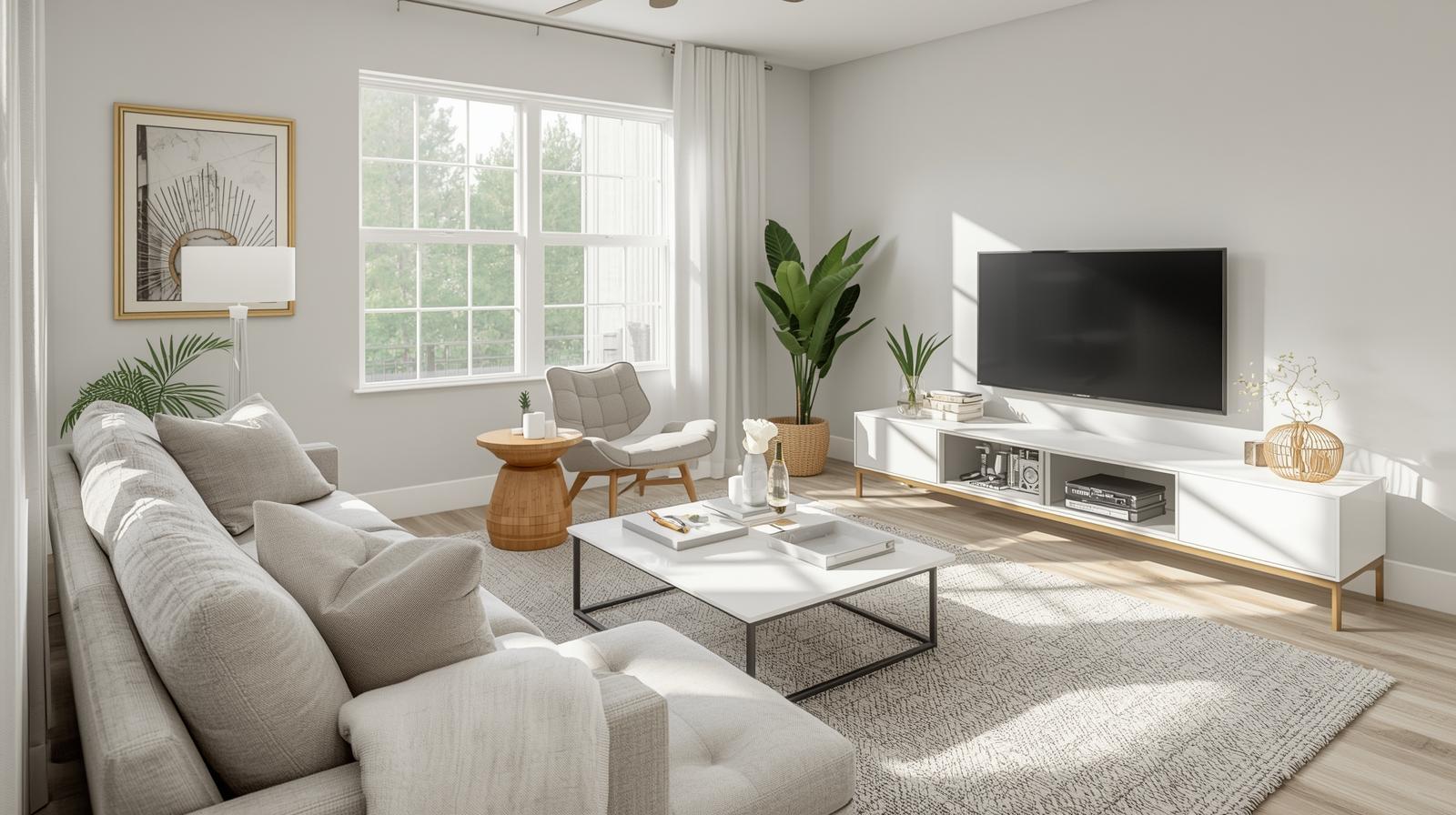
What Is Home Staging and Why Sellers Consider It
Home staging is the process of preparing a property to highlight its best features and appeal to the widest range of buyers. This may include rearranging furniture, decluttering, improving lighting, and adding neutral décor.
The goal of staging is not to hide flaws, but to help buyers emotionally connect with the space and imagine themselves living there.
How Staging Can Impact Buyer Perception
First impressions matter, especially online. Most buyers see a home for the first time through listing photos.
Staged homes often:
Look brighter and more spacious
Photograph better for online listings
Help buyers understand room scale and layout
Create a more inviting and move-in-ready feel
When buyers feel comfortable and confident, they are more likely to schedule showings and submit offers.
Does Staging Help Homes Sell Faster or for More Money?
In many cases, staged homes sell faster because they attract more attention early in the listing period. This initial momentum is critical.
Proper staging can:
Reduce time on market
Encourage stronger offers
Minimize buyer objections
Improve negotiation leverage
While staging does involve an upfront cost, it can help prevent price reductions later.
When Staging May Not Be Necessary
Not every home requires full staging. Properties that are already well-maintained, lightly furnished, or located in high-demand markets may benefit from simple preparation instead.
A selling consultation helps determine whether full staging, partial staging, or basic preparation is the best approach based on the home, market conditions, and seller goals.
How to Decide If Staging Is Right for Your Home
The decision to stage should be based on market data, competition, and how buyers are responding to similar homes.
Working with a real estate professional helps sellers:
Evaluate comparable listings
Identify buyer expectations
Create a pricing and presentation strategy
Avoid unnecessary expenses
The right approach balances cost, presentation, and market conditions.
Frequently Asked Questions
Q: Is home staging required to sell a home?
A: No, staging is not required, but it can enhance buyer interest and presentation in many situations.
Q: Does staging really make a difference?
A: Staging often improves buyer perception and online engagement, which can lead to faster and stronger offers.
Q: Can sellers stage a home themselves?
A: Yes, many sellers handle basic staging themselves with guidance on decluttering, furniture placement, and lighting.
Q: Is staging worth the cost?
A: For many sellers, staging helps avoid longer time on market or price reductions. If you’d like to explore your options, you can find helpful seller resources on my website.
Q: Should I talk to an agent before staging?
A: Yes, a selling consultation helps determine the most effective preparation strategy for your specific home and market.
By Alex Parmenidez, REALTOR® | Coldwell Banker Realty
Alex Parmenidez | Realtor® Licensed CT-MA-RI | Coldwell Banker Realty
196 Waterman St, Providence, RI 02906
C: (401) 426-4825 | O: (401) 351-2017
Check out this article next
¿Cómo Afectan las Tasaciones a la Venta de una Casa?
Una tasación de vivienda es una evaluación independiente del valor de mercado de una propiedad, generalmente solicitada por el prestamista del comprador.
Read Article