
The Fall Home Maintenance Tasks Every Rhode Island Homeowner Should Know
TL;DR
Fall is the ideal time for Rhode Island homeowners to prepare their properties for colder temperatures, snow, ice, and winter storms. Completing seasonal maintenance now—from servicing your heating system and cleaning gutters to protecting pipes and checking the roof—can help prevent expensive problems once winter arrives.
Why Fall Is the Right Time to Prepare Your Rhode Island Home
Rhode Island homeowners know how quickly the seasons can change. A mild fall afternoon can eventually give way to freezing temperatures, heavy rain, snow, and ice, putting additional stress on a home's roof, plumbing, heating system, exterior, and drainage.
That makes fall more than just a season for changing leaves and cooler temperatures. It is also an important maintenance window. Taking care of small issues before winter arrives can help prevent them from becoming larger and more expensive problems when the weather makes repairs more difficult.
This is especially important for Rhode Island's older housing stock. A historic home in Providence, a Colonial in Cranston, a Cape in Smithfield, or a property near the coast can each have very different maintenance needs. The right fall checklist depends on the home's age, construction, heating system, and condition.
The goal isn't to complete every possible project. Instead, focus on the systems that protect your home and the areas most likely to be affected by winter weather.
Check Your Heating System Before Temperatures Drop
One of the most important fall maintenance tasks is making sure your heating system is ready before you actually need it.
Whether your Rhode Island home uses oil, natural gas, electric heat, a heat pump, or another heating system, fall is a good time to schedule professional service when appropriate. Waiting until the first freezing night to discover a problem can turn a routine maintenance issue into an emergency.
Depending on the system, homeowners should consider having the equipment inspected and serviced, replacing filters, checking thermostats, and making sure vents and registers are unobstructed.
If your home has a fireplace or wood-burning stove, make sure it receives the appropriate maintenance and inspection as well. Chimneys can accumulate creosote and other debris, making professional cleaning an important part of seasonal preparation.
Fall is also a good time to think about energy efficiency. Check for noticeable drafts around windows and exterior doors and replace damaged weatherstripping where needed. Small improvements can help keep warm air inside once temperatures begin to fall.
Clean Gutters, Check the Roof, and Protect Your Home From Water
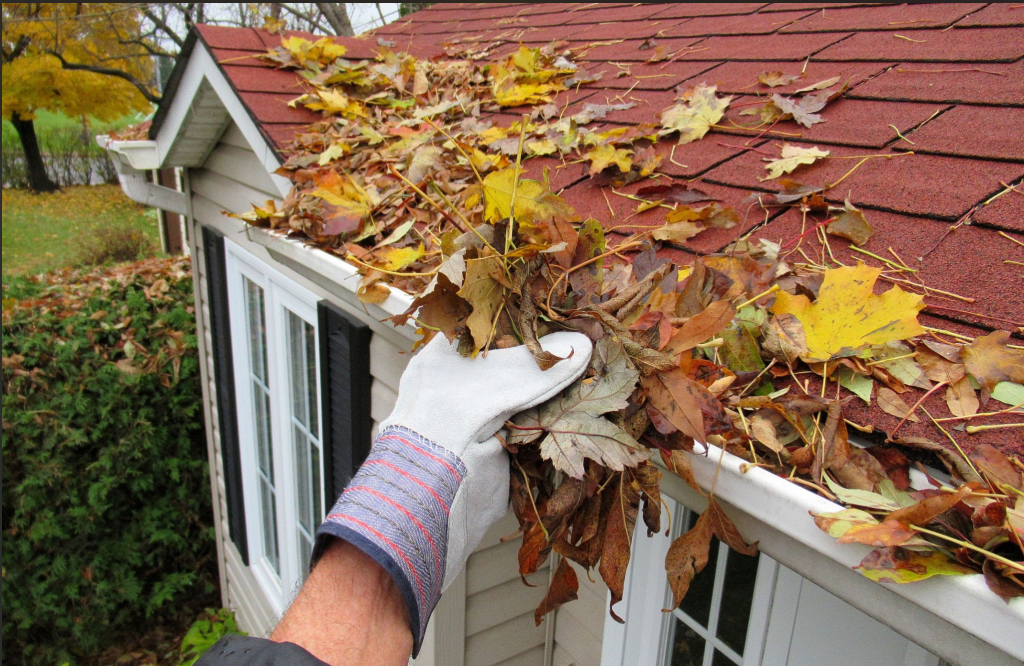
Fall leaves may look beautiful, but they can create problems when they accumulate in gutters and downspouts.
Blocked gutters prevent rainwater and melting snow from draining properly. That water can overflow near the foundation, damage siding, contribute to ice buildup, or create drainage problems around the property.
Clean your gutters and make sure downspouts are securely connected and directing water away from the foundation. While you're doing this, look at the roof for missing or damaged shingles, deteriorated flashing, or other visible issues.
You don't necessarily need to climb onto the roof yourself. If you notice something concerning, consider having a qualified professional evaluate it.
Pay attention to the area around the foundation as well. Water should drain away from the house rather than collecting next to the foundation. Fall is an excellent time to correct drainage problems before winter freezes the ground.
For homeowners with basements, check for signs of moisture, leaks, or water intrusion. Addressing those problems before the combination of rain, snow, and freezing temperatures arrives can help protect the home throughout the winter.
Prepare Pipes, Windows, and Exterior Areas for Winter
Freezing temperatures can create serious problems for plumbing, particularly in areas that aren't adequately heated or insulated.
Before winter, identify pipes located in vulnerable areas such as garages, crawl spaces, unfinished basements, or exterior walls. If you have concerns about freezing, a plumbing professional can recommend appropriate insulation or other protective measures.
It's also worth checking windows and exterior doors. Look for drafts, damaged seals, cracked caulking, or weatherstripping that needs replacement. These small gaps can make a home less comfortable and increase heating costs during the colder months.
Don't forget outdoor water connections. Disconnect and properly store garden hoses and follow the manufacturer's or plumbing professional's recommendations for preparing exterior faucets and irrigation systems.
Your deck, stairs, railings, and walkways deserve attention as well. Look for loose boards, damaged railings, uneven surfaces, or other safety issues that could become more problematic once snow and ice arrive.
Don't Forget Your Yard and Seasonal Equipment
Fall cleanup isn't just about appearance. Proper landscaping maintenance can help protect your property throughout the winter.
Remove leaves and debris from areas where they could block drainage. Trim branches that are dead, damaged, or positioned where they could potentially fall onto the home, vehicles, or power lines during a winter storm. Larger or hazardous trees should be evaluated by a qualified tree professional.
If you have a lawn, garden beds, or other landscaping, complete appropriate seasonal maintenance before the ground freezes.
It's also a good time to prepare your winter equipment. Make sure snow shovels, snow blowers, ice-melting products, and other supplies are ready before the first storm.
If you use a snow blower, consider servicing it before you need it. Discovering that it won't start during the first major snowstorm is not the ideal time to troubleshoot it.
For Rhode Island homeowners, preparation can make a significant difference when the first snow arrives. Having equipment ready and exterior areas maintained means fewer last-minute problems when winter weather hits.
Create a Fall Home Maintenance Checklist
A seasonal checklist makes it easier to keep track of the tasks that can otherwise be forgotten.
Before winter arrives, Rhode Island homeowners should consider reviewing:
- Heating system and filters
- Fireplace and chimney maintenance
- Roof condition
- Gutters and downspouts
- Foundation drainage
- Basement for moisture or leaks
- Windows and exterior doors
- Weatherstripping and caulking
- Vulnerable plumbing
- Exterior faucets and hoses
- Decks, stairs, and railings
- Trees and overhanging branches
- Lawn and landscaping
- Snow-removal equipment
- Smoke and carbon monoxide detectors
Not every home will require every task, and some maintenance should be performed by qualified professionals rather than homeowners themselves.
The most important thing is to address problems before they become urgent. A small roof issue in September can be much easier to handle than a roof leak during a January snowstorm. A heating-system service appointment in the fall is usually preferable to discovering a problem when temperatures are below freezing.
Regular maintenance can also help homeowners better understand their property's condition and plan financially for larger replacements in the future.
Frequently Asked Questions
What should Rhode Island homeowners do in the fall?
Common fall tasks include servicing the heating system, cleaning gutters, checking the roof, inspecting windows and doors, protecting vulnerable pipes, preparing outdoor faucets, maintaining landscaping, and getting snow-removal equipment ready.
When should I prepare my home for winter in Rhode Island?
It's best to begin during the fall, before freezing temperatures and major winter storms arrive. Completing maintenance early gives homeowners more time to address problems and schedule professionals when needed.
Should I clean my gutters before winter?
Yes. Removing leaves and debris helps gutters and downspouts properly move rainwater and melting snow away from the home. Blocked gutters can contribute to water damage and drainage problems.
How do I protect my pipes from freezing?
Start by identifying pipes in vulnerable or unheated areas. Proper insulation and maintaining appropriate indoor temperatures can help reduce the risk, but homeowners with concerns about specific plumbing systems should consult a qualified professional.
What should I check on my roof before winter?
Look for missing or damaged shingles, deteriorated flashing, visible leaks, and other signs of damage. If you notice a potential problem, have the roof evaluated by a qualified professional before winter weather makes repairs more difficult.
Thinking about buying?
Let's talk through your numbers first.
A 30-minute call covers what you can afford comfortably, what taxes and insurance really cost in the town you're looking at, and which loan programs fit you. You work directly with Alexander from the first call to closing.
Schedule a buyer callEnglish or Spanish · Call or text 401-426-4857 · Contact form
196 Waterman St, Providence, RI 02906 · C: (401) 426-4857 · O: (401) 351-2017 · [email protected] · alexparmenidez.realtor
Check out this article next
Las Tareas de Mantenimiento de Otoño que Todo Propietario de Vivienda en Rhode Island Debe Conocer
El otoño es el momento ideal para que los propietarios de viviendas en Rhode Island preparen sus propiedades para las bajas temperaturas, la nieve, el…
Read Article