
Understanding Septic Systems
TL;DR
A septic system manages wastewater when a home is not connected to public sewer. Understanding how it works, how to maintain it, and what inspections reveal is essential for homebuyers especially in suburban and rural areas where septic systems are common.
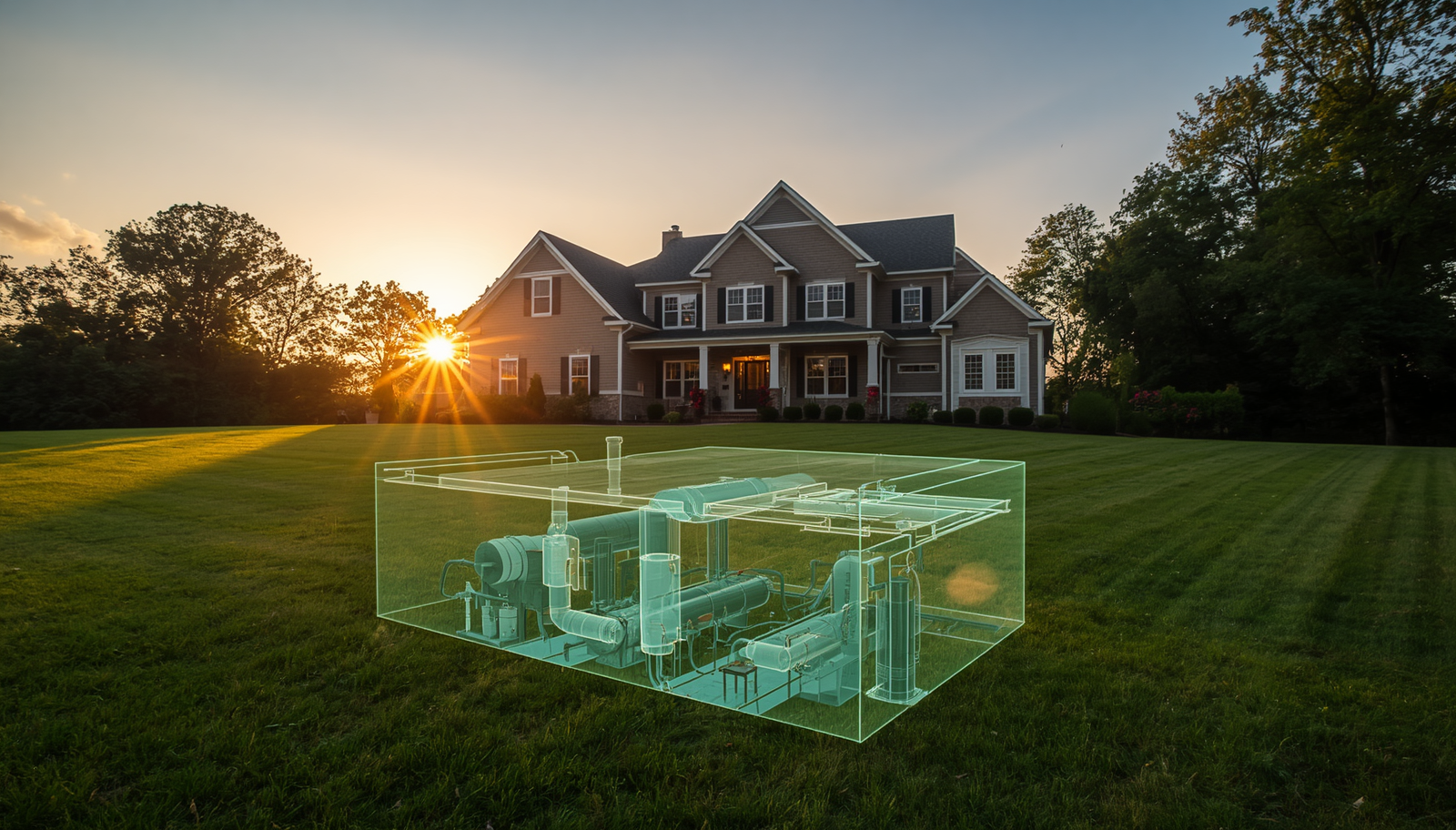
What Is a Septic System?
A septic system is an on-site wastewater treatment system used in homes that are not connected to a municipal sewer line.
Instead of sending waste to a city treatment plant, the system processes wastewater underground on the property itself. It typically includes a septic tank and a drain (leach) field, which work together to treat and safely disperse wastewater into the soil.
Septic systems are common in many suburban and rural parts of Rhode Island and surrounding areas, making them an important factor for homebuyers to understand before purchasing a property.
How a Septic System Works
A septic system operates in two main stages:
1. The Septic Tank:
Wastewater from the home flows into a buried tank. Inside the tank, solids settle at the bottom, oils and grease rise to the top, and liquid wastewater remains in the middle.
Bacteria naturally break down some of the solid waste over time.
2. The Drain Field:
The liquid wastewater (called effluent) then flows into the drain field, where it is filtered through soil. The soil naturally removes harmful bacteria and nutrients before the water returns to the groundwater system.
When functioning properly, a septic system operates quietly and efficiently underground with little interaction needed from the homeowner—aside from maintenance.
Why Septic Systems Matter in Real Estate
For homebuyers, septic systems are important because they can affect:
- Home inspection results
- Long-term maintenance costs
- Property usability and expansion plans
- Negotiations during a home purchase
Unlike public sewer systems, septic systems are the homeowner’s responsibility. That means any repairs or replacements are also the homeowner’s responsibility, which can sometimes involve significant costs.
Because of this, septic systems are always an important part of due diligence during the homebuying process.
Maintenance and Care Requirements
Proper maintenance is essential for keeping a septic system working efficiently.
- Regular Pumping: Most septic tanks need to be pumped every 3 to 5 years, depending on household size and usage.
- Water Usage Awareness: Excessive water use can overload the system. Fixing leaks and spreading out laundry or dishwasher use can help reduce stress on the tank.
- Avoid Flushing Harmful Materials: Items such as wipes, grease, chemicals, and non-biodegradable products can damage the system and cause backups.
- Protect the Drain Field: Avoid parking vehicles or building structures over the drain field, as this can damage the soil and pipes.
Septic Inspections During Home Buying
A septic inspection is a critical step when purchasing a home with a septic system.
During an inspection, professionals may:
- Locate and open the septic tank
- Measure sludge and scum levels
- Test system functionality
- Inspect the drain field
- Identify signs of failure or damage
A failed septic inspection can lead to renegotiations, repair requests, or in some cases, impact the purchase decision altogether.
Warning Signs of Septic Problems
Homeowners should be aware of potential signs of septic system issues, including:
- Slow drains throughout the home
- Foul odors near the yard or drains
- Standing water near the drain field
- Gurgling sounds in plumbing
- Sewage backups
These signs may indicate that the system needs pumping, repair, or further inspection.
Costs to Consider
Septic system costs vary depending on maintenance needs and system condition:
- Pumping: typically a few hundred dollars
- Repairs: can vary widely depending on the issue
- Full replacement: can range into the tens of thousands
Because of these potential costs, it’s important for buyers to budget accordingly when purchasing a home with a septic system.
Frequently Asked Questions
Q: How often should a septic system be pumped?
A: Most septic systems should be pumped every 3 to 5 years, depending on household size and usage.
Q: Is a septic system a problem when buying a home?
A: Not necessarily. A well-maintained septic system can function reliably for many years. However, inspections are important to ensure the system is in good condition.
Q: Who is responsible for septic system repairs?
A: The homeowner is responsible for all septic system maintenance, repairs, and replacements.
Q: What happens if a septic system fails inspection?
A: If a system fails inspection, buyers and sellers may negotiate repairs, credits, or replacement before closing, depending on the contract.
Q: Can I build additions over a septic system?
A: In many cases, building over a septic system or drain field is restricted. Local regulations and system layout will determine what is allowed.
Check out this article next

What Is a Commitment Letter and Why Is It Important When Buying a Home?
A commitment letter is a document from a lender stating that your mortgage loan has been approved under specific conditions. It
Read ArticleThinking about buying?
Let's talk through your numbers first.
A 30-minute call covers what you can afford comfortably, what taxes and insurance really cost in the town you're looking at, and which loan programs fit you. You work directly with Alex from the first call to closing.
Schedule a buyer callEnglish or Spanish · Call or text 401-426-4857 · Contact form
196 Waterman St, Providence, RI 02906 · C: (401) 426-4857 · O: (401) 351-2017 · [email protected] · alexparmenidez.realtor