
What Should Buyers Know About Older New England Homes?
TL;DR
Older New England homes can offer character, established neighborhoods, larger lots, and architectural details that are difficult to find in newer construction, but they may also come with older electrical, plumbing, heating, roofing, insulation, and structural systems. Buyers should look beyond cosmetic updates and carefully evaluate the home's major systems, maintenance history, potential repair costs, and overall condition before making an offer. A thorough home inspection and appropriate specialist evaluations can help buyers understand what they are purchasing and plan for future ownership costs.
Why Are Older New England Homes Different?
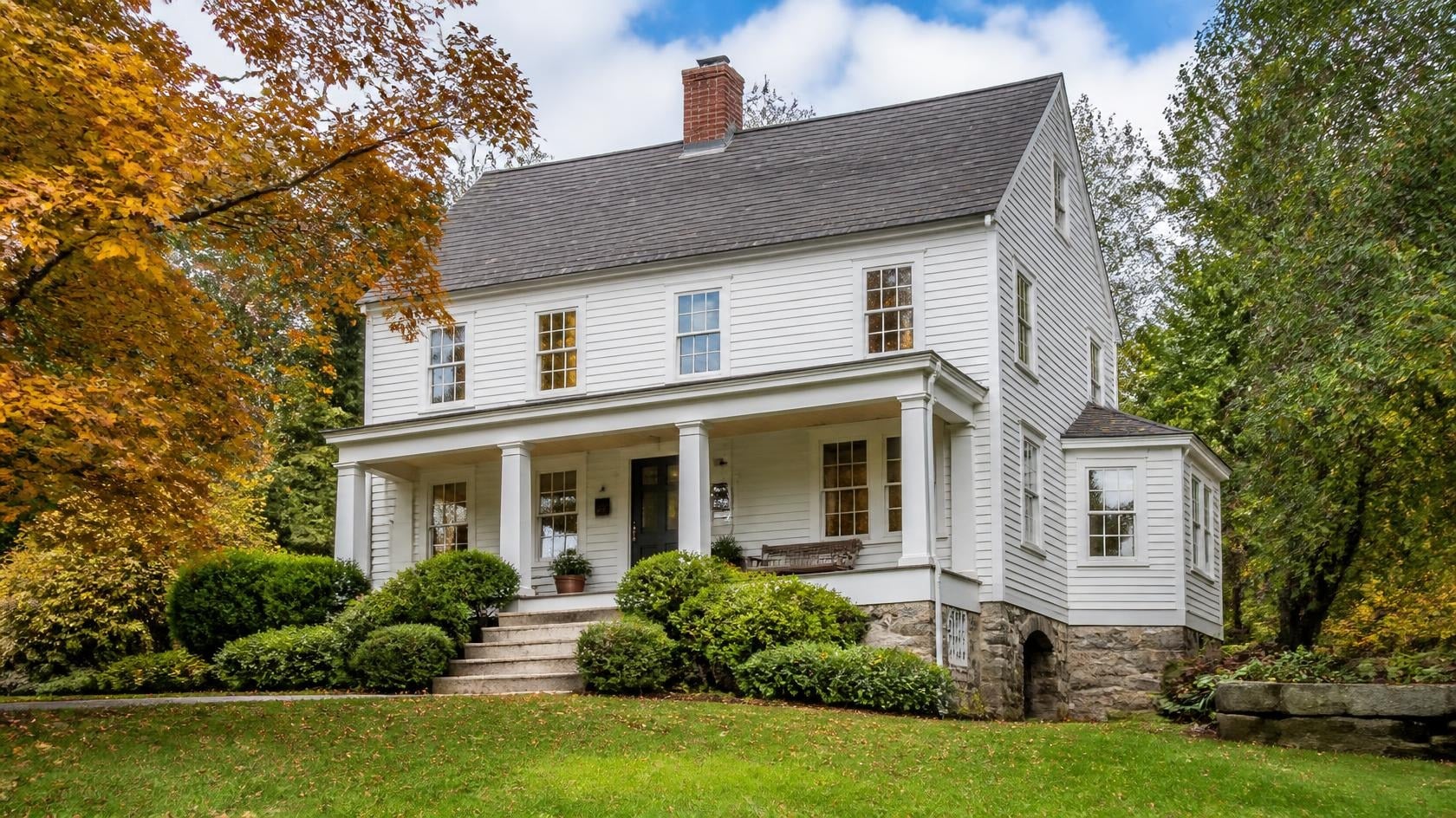
Buying an older home in Rhode Island, Massachusetts, or Connecticut can be very different from buying a recently constructed property. New England has many homes that were built decades or even centuries ago, and their construction methods, materials, layouts, and mechanical systems can vary significantly.
Older homes can have features that attract buyers, including hardwood floors, fireplaces, detailed woodwork, mature landscaping, established neighborhoods, and architectural styles that are uncommon in newer developments. A historic or older property may also have a location that offers convenient access to downtown areas, established commercial districts, schools, transportation, and community amenities.
However, age itself should not be treated as either a positive or negative. Two homes built in the same decade can have completely different conditions depending on how they were maintained and whether major systems have been replaced.
A 100-year-old home with a newer roof, updated electrical service, modern plumbing, and well-maintained heating system may have fewer immediate concerns than a much newer property that has been neglected.
The important question for buyers is not simply, "How old is this house?" It is, "What has been maintained, what has been replaced, and what may need attention next?"
What Major Systems Should Buyers Check?
One of the most important parts of buying an older New England home is understanding its major systems. Cosmetic improvements such as renovated kitchens, fresh paint, or updated bathrooms can make a home look modern, but they do not necessarily tell you anything about the condition of the roof, foundation, electrical system, plumbing, or heating equipment.
Start with the roof. Ask how old it is and whether there are records of previous repairs or replacement. An inspector can evaluate visible roofing conditions and identify signs that may require further attention.
Electrical systems deserve careful consideration as well. Older homes may have electrical components that differ significantly from modern systems. Buyers should have the electrical system evaluated as part of the inspection and ask about the service capacity, visible wiring, panels, and any known upgrades.
Plumbing is another area to investigate. Older homes may have a combination of original and updated plumbing materials. Look for signs of leaks, water damage, low water pressure, or previous repairs.
Heating is particularly important in New England. Ask whether the property uses oil, natural gas, propane, electricity, a heat pump, or another system. Find out the approximate age of the equipment and whether it has been professionally maintained.
These systems can represent significant expenses, so understanding their condition before purchasing can help buyers budget more realistically.
What Should Buyers Know About Foundations, Basements, and Moisture?
Foundations and basements deserve special attention when buying an older New England home. Depending on the property's age and construction, the foundation may be made from stone, brick, concrete block, poured concrete, or other materials.
Some older foundations naturally show signs of age, but buyers should not assume that every crack, uneven surface, or damp area is harmless. The significance of a condition depends on its location, severity, history, and whether there are associated structural or moisture concerns.
During a showing, buyers can look for obvious signs of water intrusion, including staining, musty odors, peeling materials, efflorescence, or standing water. During the professional inspection, the basement and foundation should receive careful attention.
Drainage around the exterior is also important. Check the general grading of the property and whether gutters and downspouts appear to direct water away from the foundation. Poor drainage can contribute to moisture problems regardless of the home's age.
Older homes may also have finished basements or spaces that have been modified over the years. Buyers should ask whether those areas were professionally finished and whether any permits or documentation are available when appropriate.
If the inspector identifies a structural or significant moisture concern, buyers may need an evaluation from a qualified structural, waterproofing, or other specialist before proceeding.
How Can Older Homes Affect Energy Efficiency and Maintenance Costs?
Energy efficiency is another consideration for buyers of older New England homes. Older construction may not have the same insulation, air sealing, windows, or mechanical systems found in newer homes.
That does not mean every older house is expensive to heat. A well-maintained older property may have received significant efficiency improvements over the years. However, buyers should understand how the home is currently insulated and heated rather than assuming its energy costs based solely on age.
Ask the seller about average utility expenses when that information is available. Look at the age and condition of the heating system, windows, exterior doors, and insulation. During colder months, drafts or uneven temperatures may also be more noticeable.
Maintenance is another important part of the equation. Older homes may require more ongoing attention to exterior woodwork, masonry, gutters, roofing, windows, plumbing, and other components.
This does not necessarily mean an older home is a poor financial choice. It simply means buyers should budget for maintenance rather than assuming that all major expenses have already been addressed.
For buyers comparing older homes with newer construction in Rhode Island, the purchase price should therefore be considered alongside expected maintenance, energy, insurance, and potential improvement costs.
What Should Buyers Do Before Purchasing an Older Home?
The best way to approach an older New England home is with careful due diligence. A standard home inspection is an important starting point, but it may not answer every question about a property.
Depending on what the inspector discovers, buyers may want additional evaluations from professionals specializing in areas such as electrical systems, plumbing, heating, roofing, structural conditions, chimneys, septic systems, wells, or environmental concerns.
Buyers should also review available documentation. Ask about previous renovations, major repairs, permits when applicable, heating-system service, roof replacement, and other significant improvements. Documentation can help establish what work has been completed and when.
It is also important to distinguish between maintenance items and major defects. An older home may have many minor issues simply because more components have had more time to age. The goal is to understand which items are routine maintenance, which should be addressed soon, and which could represent substantial expenses.
Finally, think about the home in terms of both today's condition and future ownership. If the roof is older, the heating system is approaching the end of its expected service life, and the windows need attention, those costs may eventually overlap.
Buying an older New England home can be a rewarding experience, but buyers should make the decision based on the property's actual condition rather than its appearance or age alone.
Frequently Asked Questions
Are older New England homes more expensive to maintain?
They can be, but age alone does not determine maintenance costs. The home's maintenance history, construction, condition, and age of its major systems are more useful indicators of potential future expenses.
What is the most important thing to inspect in an older home?
There is no single component that should always receive the most attention. Buyers should evaluate the roof, foundation, electrical system, plumbing, heating, moisture management, and other major components based on the specific property.
Should I avoid buying a house with an old foundation?
Not necessarily. Older foundations can remain functional for many years, but their condition should be evaluated carefully. If an inspection identifies significant structural concerns, a qualified specialist may be needed to determine the extent and potential cost of repairs.
Can an older home be energy efficient?
Yes. Older homes can become substantially more energy efficient through improvements to insulation, air sealing, windows, heating systems, and other components. Buyers should evaluate the property's actual condition and energy use rather than assuming efficiency based solely on its construction date.
Should I get additional inspections when buying an older home?
Additional inspections may be appropriate depending on the home's age, condition, systems, and findings from the general inspection. Specialized evaluations can provide more detailed information about areas such as structural conditions, electrical systems, heating, chimneys, wells, or septic systems.
If you're considering buying an older home in Rhode Island, Massachusetts, or Connecticut, Alex Parmenidez can help you identify important questions to ask, evaluate properties during the buying process, and navigate the steps from showing through closing.
Thinking about buying?
Let's talk through your numbers first.
A 30-minute call covers what you can afford comfortably, what taxes and insurance really cost in the town you're looking at, and which loan programs fit you. You work directly with Alex from the first call to closing.
Schedule a buyer callEnglish or Spanish · Call or text 401-426-4857 · Contact form
196 Waterman St, Providence, RI 02906 · C: (401) 426-4857 · O: (401) 351-2017 · [email protected] · alexparmenidez.realtor
Check out this article next
¿Qué Deben Saber los Compradores Sobre las Viviendas Antiguas de Nueva Inglaterra?
Las viviendas antiguas de Nueva Inglaterra pueden ofrecer carácter, vecindarios establecidos, lotes más grandes y detalles arquitectónicos difíciles de encontrar en construcciones nuevas
Read Article