
Which Home Improvements Should You Do First After Moving In?
TL;DR
After buying a home, it can be tempting to start renovating immediately. However, the smartest approach is to prioritize safety, maintenance, and essential systems before spending money on cosmetic upgrades. Creating a practical improvement plan can help new homeowners protect their investment while making the home more comfortable over time.
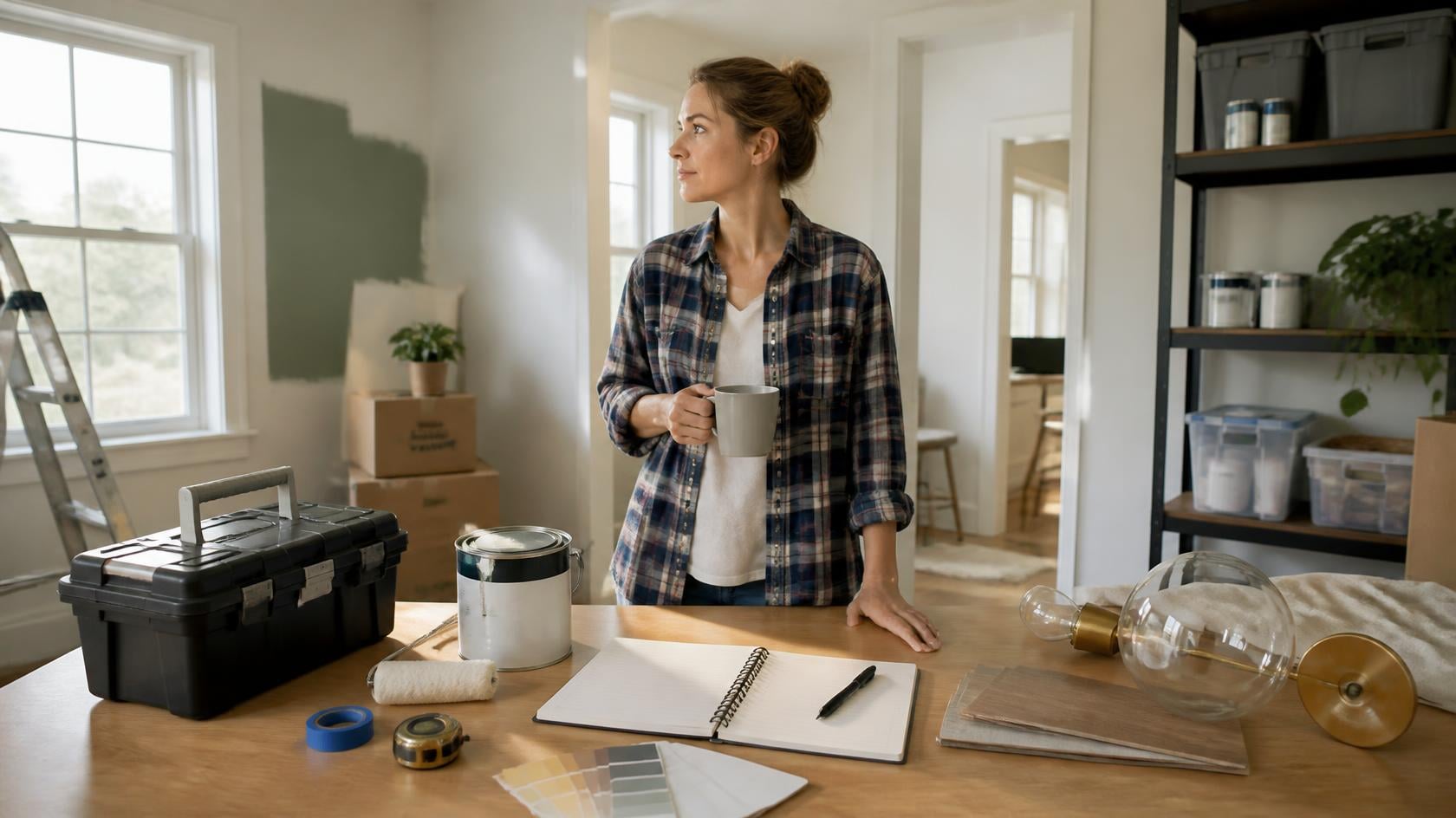
Start With Safety and Essential Repairs
The first improvements should address anything that could affect your family's safety or the home's basic functionality.
Review your inspection report and identify items that were classified as safety concerns or significant defects. These may include electrical problems, plumbing leaks, structural concerns, or issues with heating and cooling systems.
Also consider changing the locks or rekeying them after taking ownership. You may not know how many previous owners, tenants, contractors, or other people have copies of the existing keys.
For homeowners in Rhode Island, Massachusetts, and Connecticut, older homes may require particular attention to electrical systems, heating equipment, roofing, and plumbing.
Check the Roof, Heating, and Major Systems
Major home systems can be expensive to replace, so understanding their condition early can help you plan your budget.
Start by reviewing the age and condition of:
- Roof
- HVAC or heating system
- Water heater
- Electrical panel
- Plumbing
- Windows and doors
- Foundation and drainage
You do not necessarily need to replace something simply because it is older. If a system is functioning properly, maintenance may be the better first step.
Keeping records of installation dates, warranties, and professional servicing can also make future homeownership easier.
Improve Energy Efficiency
Once safety and major maintenance are addressed, energy efficiency is a smart area to consider.
Depending on the property, improvements might include:
- Sealing air leaks
- Adding insulation
- Replacing inefficient light bulbs
- Installing a programmable or smart thermostat
- Improving weatherstripping around doors
- Servicing the heating system
- Upgrading older appliances when replacement becomes necessary
Energy efficiency can be particularly valuable in New England, where homeowners experience significant heating and cooling demands throughout the year.
Before making a major investment, consider which upgrades are likely to provide meaningful savings for your specific home.
*'
Focus on Improvements That Make Daily Life Better
Not every worthwhile improvement increases the home's market value dramatically. Some upgrades simply make the property more comfortable and functional.
Consider the areas you use every day.
You might prioritize:
- Better storage
- Closet organization
- Improved lighting
- Updated bathroom fixtures
- Fresh interior paint
- Functional kitchen storage
- Laundry room improvements
These projects can often provide noticeable benefits without requiring the expense and disruption of a major renovation.
If you recently purchased a home in Providence, Cranston, Warwick, or another Rhode Island community, living in the property for a few months can help you identify what actually needs to change.
Save Cosmetic Renovations for Later
Fresh paint, new flooring, updated cabinets, and decorative changes can make a home feel more personal. However, they do not always need to happen immediately.
Living in the home first can help you understand:
- How natural light changes throughout the day
- Which rooms you use most
- Where storage is lacking
- Which layouts are inconvenient
- What improvements are truly necessary
This can prevent homeowners from spending thousands of dollars on renovations they later decide they do not need.
A home does not have to be completely renovated to be enjoyable.
Create a Long-Term Home Improvement Plan
Instead of tackling everything at once, divide projects into short-, medium-, and long-term priorities.
For example:
First 30 days:
Address safety issues, change locks, inspect major systems, and handle urgent maintenance.
First year:
Improve energy efficiency, paint high-use rooms, organize storage, and complete practical upgrades.
Long term:
Consider larger projects such as kitchen renovations, bathroom remodeling, additions, landscaping, or finished basements.
This approach allows you to spread expenses over time and avoid taking on unnecessary debt immediately after purchasing a home.
Frequently Asked Questions
What should I fix first after buying a house?
Start with safety concerns, urgent repairs, water issues, electrical problems, structural concerns, and major systems that are not functioning properly.
Should I renovate immediately after moving in?
Not necessarily. It can be helpful to live in the home for a while before making major cosmetic changes. This allows you to understand how you actually use the space.
What home improvements add the most value?
The improvements that add the most value vary by property and market. Maintaining major systems, improving functionality, and making targeted updates can often be more beneficial than highly personalized renovations.
Should I prioritize energy-efficient upgrades?
Energy-efficient improvements can be worthwhile, especially in Rhode Island, Massachusetts, and Connecticut where heating and cooling costs can be significant. Start with practical improvements such as air sealing, insulation, and system maintenance.
How much should I budget for home improvements after buying?
There is no universal amount because every property is different. Review your finances, prioritize urgent needs, and maintain an emergency fund before committing to major renovation projects.
Thinking about buying?
Let's talk through your numbers first.
A 30-minute call covers what you can afford comfortably, what taxes and insurance really cost in the town you're looking at, and which loan programs fit you. You work directly with Alexander from the first call to closing.
Schedule a buyer callEnglish or Spanish · Call or text 401-426-4857 · Contact form
196 Waterman St, Providence, RI 02906 · C: (401) 426-4857 · O: (401) 351-2017 · [email protected] · alexparmenidez.realtor
Check out this article next

¿Qué Mejoras En El Hogar Debería Hacer Primero Después De Mudarse?
Después de comprar una casa, puede ser tentador comenzar a remodelar de inmediato.
Read Article