
Your House Didn’t Sell. What Now?
TL;DR
If your home didn’t sell, it’s not a failure it’s feedback. Most unsold homes miss alignment with pricing, presentation, or marketing strategy. By reassessing market data, improving first impressions, and relaunching with a clearer plan, many sellers successfully reposition their homes and achieve better results the second time around.
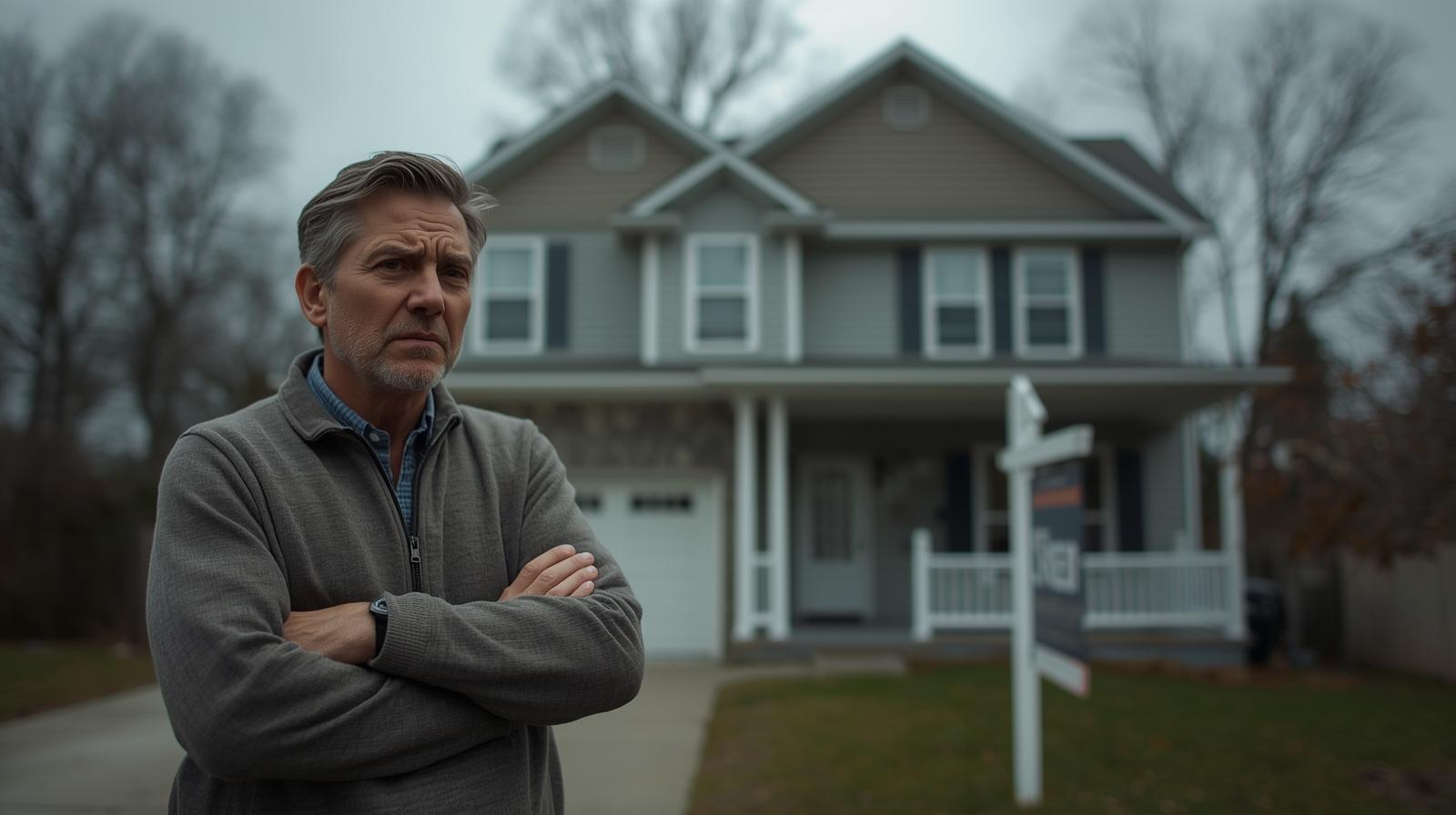
Why Homes Sometimes Don’t Sell the First Time
When a home comes off the market without selling, it’s easy to feel frustrated or discouraged. Many sellers assume the market is slow or that buyers simply weren’t serious. In most cases, that’s not true.
Homes usually don’t sell because the strategy didn’t fully match buyer expectations at that moment in time. Real estate markets are dynamic interest rates change, inventory fluctuates, and buyer behavior shifts quickly. A plan that worked six months ago may not work today.
The key is understanding that an unsold listing is information, not a verdict. Buyer activity, showing feedback, and market trends all provide clues about what needs adjustment.
Step One: Re-Evaluate the Price With Fresh Market Data
Pricing is the foundation of every successful sale. Even a beautifully staged home with strong marketing can stall if the price doesn’t reflect current conditions.
If your home received showings but no offers, buyers may have perceived it as overpriced compared to similar homes. If it received little activity at all, pricing may have pushed it out of buyers’ search ranges entirely.
Repricing isn’t about undercutting your value it’s about positioning your home where motivated buyers are actively looking. A new comparative market analysis, based on recent sales and current competition, is essential before relisting.
Step Two: Strengthen Presentation and Buyer Perception
Buyers don’t just purchase square footage they purchase how a home makes them feel. Small details can have an outsized impact on that emotional response.
Improving presentation might include:
Decluttering rooms to make spaces feel larger
Neutralizing décor so buyers can imagine their own style
Completing minor repairs buyers often overestimate
Enhancing curb appeal with landscaping, lighting, or fresh paint
A home that feels move-in ready reduces hesitation and increases the likelihood of stronger offers.
Step Three: Upgrade the Marketing Approach
Today’s buyers discover homes online before ever stepping inside. If your listing didn’t stand out digitally, many buyers may have skipped it entirely.
A stronger marketing strategy often includes:
New professional photography and video walkthroughs
Listing descriptions written for clarity and search visibility
Expanded exposure across social media and real estate platforms
Strategic open house timing and improved showing access
When a home is repositioned correctly, it feels new again even to buyers who may have seen it before.
Step Four: Reset Timing Without Losing Momentum
Timing can influence buyer activity, but waiting without a plan rarely helps. Instead of simply “letting time pass,” sellers benefit from a strategic reset.
This might mean:
Taking a short break to implement improvements
Relisting during a more active buyer window
Relaunching with a new price and refreshed marketing
A thoughtful reset removes the stigma of a stale listing and reintroduces your home with renewed energy.
Step Five: Move Forward With a Clear, Strategic Plan
The most important difference between a home that sits and a home that sells is strategy.
A successful relaunch includes:
Honest analysis of buyer feedback
Clear agreement on pricing logic
Defined marketing upgrades
A timeline with built-in review points
When expectations are aligned and decisions are data-driven, sellers regain control of the process and outcomes improve.
Frequently Asked Questions
Q: Why didn’t my house sell the first time?
A: Most homes don’t sell due to pricing, presentation, or marketing misalignment. Buyer feedback and market data usually highlight where expectations didn’t match current demand.
Q: Should I relist my home at the same price?
A: Sometimes, but not always. If market conditions changed or buyers consistently passed at that price, adjusting it can improve visibility and interest.
If you’d like help reviewing updated market data, you can explore current home values on my website.
Q: Does an expired listing make buyers suspicious?
A: An expired listing alone doesn’t deter buyers, but relisting without changes can. A refreshed strategy signals improvement and renewed motivation.
Q: Are repairs always necessary before relisting?
A: Not always. Focus on visible issues or recurring buyer concerns. Strategic improvements often deliver better returns than major renovations.
If you want guidance on which updates matter most locally, you can review selling insights on my site.
Q: Is it better to wait or relist right away?
A: That depends on market activity, seasonality, and how much your strategy changes.
If you’re unsure which option fits your situation, you can explore current market trends on my website.
By Alex Parmenidez, REALTOR® | Coldwell Banker Realty
Alex Parmenidez | Realtor® Licensed CT-MA-RI | Coldwell Banker Realty
196 Waterman St, Providence, RI 02906
C: (401) 426-4825 | O: (401) 351-2017
Check out this article next

Is the VA Loan Always the Best Choice? Here’s the Fine Print.
Zero down payment sounds like a dream, but is there a catch? Let's look at the fine print behind the benefits of VA loans.
Read Article