
Top Red Flags Buyers Should Never Ignore During Showings
TL;DR
A home may look perfect during a showing, but certain warning signs can point to expensive repairs or long-term problems. Buyers should pay close attention to water damage, structural concerns, roofing condition, outdated systems, and signs of deferred maintenance before making an offer.
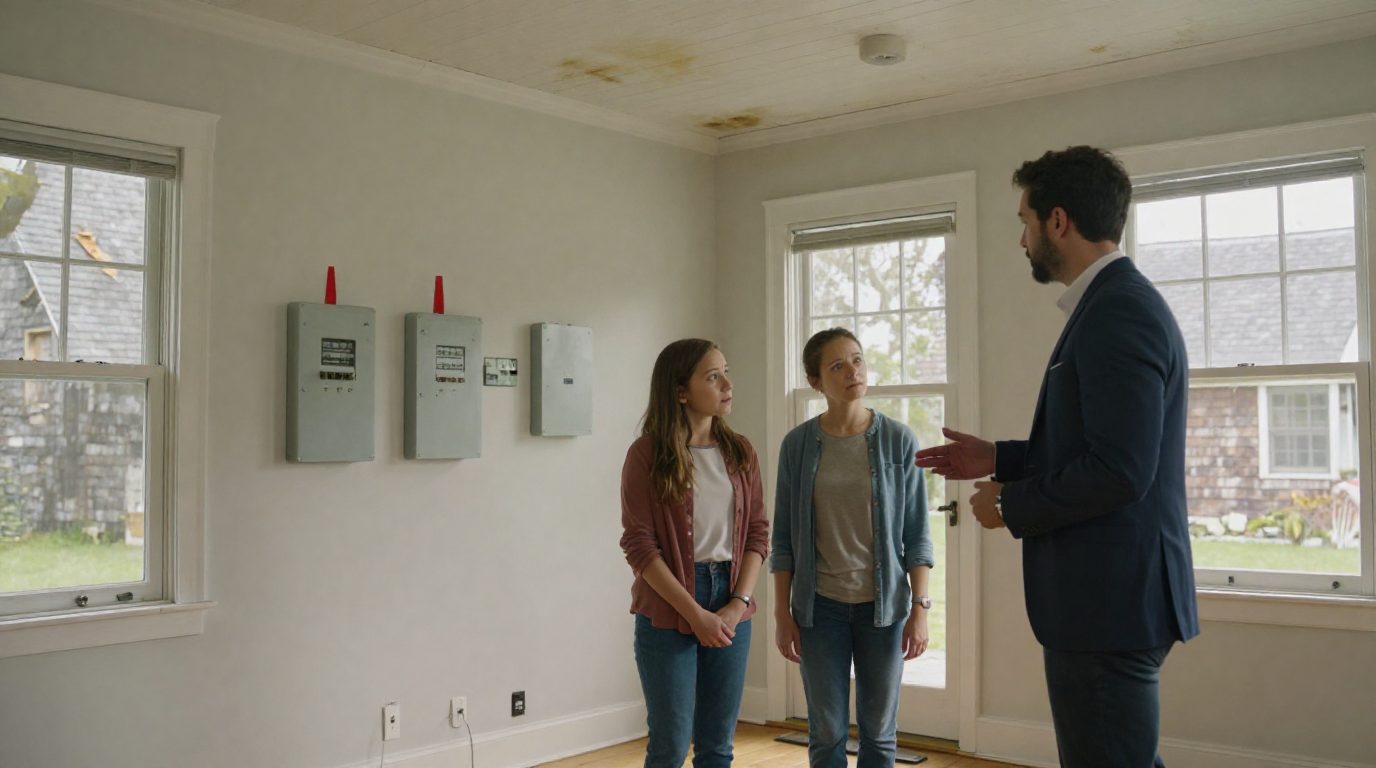
Water Damage Can Lead to Expensive Repairs
Water issues are one of the biggest red flags buyers should never ignore during a home showing.
Some warning signs include:
- Water stains on ceilings or walls
- Bubbling paint or warped flooring
- Musty basement odors
- Visible mold or mildew
- Fresh paint covering isolated areas
In older homes throughout Rhode Island, Massachusetts, and Connecticut, basement moisture and drainage issues are relatively common. Small signs of water damage today can eventually become major repair expenses later.
Structural and Foundation Concerns
Not every crack is serious, but some can indicate larger structural problems.
Buyers should pay attention to:
- Large horizontal foundation cracks
- Sloping or uneven floors
- Doors or windows that do not close properly
- Cracks above door frames or windows
- Sagging floor areas
Foundation repairs can become extremely expensive, so buyers should never dismiss structural concerns without further evaluation from a licensed inspector or structural professional.
Roof, Exterior, and Maintenance Warning Signs
The roof is one of the most expensive systems in a home. During a showing, buyers should look for missing shingles, sagging rooflines, damaged gutters, or visible signs of aging.
Other exterior concerns may include:
- Wood rot
- Siding damage
- Standing water near the foundation
- Driveway cracking
- Poor drainage around the property
Deferred maintenance outside the home can sometimes indicate additional hidden maintenance issues inside as well.
Electrical, Plumbing, and System Issues
Outdated systems can affect safety, insurance costs, and future repair budgets.
Potential warning signs include:
- Flickering lights
- Exposed wiring
- Older electrical panels
- Low water pressure
- Rust around plumbing fixtures
- Unusual furnace or boiler noises
In many older New England homes, buyers should expect that some updates may eventually be necessary. However, major system concerns deserve careful review before moving forward with a purchase.
Strong Odors May Signal Hidden Problems
Strong odors during a showing can sometimes indicate issues sellers are attempting to mask.
Buyers should watch for:
- Heavy air fresheners or candles
- Smoke smells
- Pet odors
- Damp or musty air
- Excessive clutter hiding floors or walls
The overall condition of a property often tells a larger story. A poorly maintained home may involve more deferred repairs than buyers initially realize.
If you'd like guidance navigating the homebuying process in Rhode Island, Massachusetts, or Connecticut, visit Alex Parmenidez Realtor.
Frequently Asked Questions
What is the biggest red flag during a home showing?
Water damage is one of the most serious warning signs because it can lead to mold, structural issues, and expensive repairs.
Are foundation cracks always a major problem?
Not always. Small hairline cracks can be normal, but large horizontal or shifting cracks should be evaluated by a professional.
Should buyers avoid homes with old roofs or systems?
Not necessarily, but buyers should understand replacement timelines and budget for future repairs before making an offer.
Can strong odors during a showing indicate hidden issues?
Yes. Odors may point to moisture problems, smoke damage, mold, pets, or poor ventilation.
Can a home inspection identify these issues later?
Many concerns can be identified during a home inspection, but spotting red flags early helps buyers make smarter decisions before going under contract.
Check out this article next

¿Qué Deben Buscar los Compradores en un Open House?
Un open house es mucho más que una visita casual; es una oportunidad para evaluar la condición de la propiedad, la distribución, el vecindario y…
Read ArticleThinking about buying?
Let's talk through your numbers first.
A 30-minute call covers what you can afford comfortably, what taxes and insurance really cost in the town you're looking at, and which loan programs fit you. You work directly with Alex from the first call to closing.
Schedule a buyer callEnglish or Spanish · Call or text 401-426-4857 · Contact form
196 Waterman St, Providence, RI 02906 · C: (401) 426-4857 · O: (401) 351-2017 · [email protected] · alexparmenidez.realtor