
How Much Money Should Buyers Keep After Closing?
TL;DR
Closing on a home doesn’t mean expenses stop. Buyers should keep savings after closing for emergencies, repairs, moving costs, utilities, and unexpected homeownership expenses. Having financial reserves can help reduce stress and create more stability during the first year of ownership.

Don’t Spend Every Dollar at Closing
One of the biggest mistakes buyers make is using all of their savings for the down payment and closing costs. While getting to the closing table is important, homeownership comes with ongoing expenses that begin immediately after move-in.
Even move-in ready homes can create unexpected costs during the first few months. Appliances fail, utility bills change, furniture purchases add up, and small repairs can quickly become expensive.
Keeping cash reserves after closing provides flexibility and helps buyers adjust more comfortably to homeownership.
Build an Emergency Fund for Home Repairs
Homes require maintenance, even newer properties. Buyers should expect that unexpected repairs will eventually happen, whether involving plumbing, heating systems, roofing, or appliances.
Many financial professionals recommend keeping:
- 3–6 months of living expenses saved
- Additional repair reserves if possible
- Extra funds for seasonal maintenance and emergencies
For older homes in Rhode Island, Massachusetts, and Connecticut, repair reserves become even more important due to aging systems and deferred maintenance commonly found in many properties.
Plan for Hidden Move-In Costs
Many buyers focus only on the down payment and underestimate the cost of moving and settling into a new home.
Common post-closing expenses may include:
- Movers or truck rentals
- Utility setup fees and deposits
- Furniture or appliances
- Paint, locks, blinds, and minor upgrades
- Lawn care or snow removal equipment
- HOA setup costs if applicable
These expenses can easily total several thousand dollars during the first few months after closing.
Understand That Monthly Costs May Change
Some buyers are surprised when their monthly housing expenses change after closing.
Mortgage payments may fluctuate over time due to:
- Property tax adjustments
- Insurance increases
- Escrow changes
- Utility costs
- Maintenance expenses
Buyers should also consider commuting costs, seasonal utility changes, and future maintenance responsibilities that may not have existed while renting.
Having financial reserves available can help absorb these changes without relying heavily on credit cards or personal loans.
Every Buyer’s Financial Cushion Looks Different
There is no perfect number that works for every buyer. The amount buyers should keep after closing depends on factors like:
- The age and condition of the home
- Income stability
- Existing debt obligations
- Upcoming repair needs
- Personal comfort level with risk
In general, buyers who maintain stronger reserves after closing often feel more financially secure during the transition into homeownership.
If you'd like to better understand buying costs and local housing conditions in Rhode Island, Massachusetts, or Connecticut, visit Alex Parmenidez Realtor.
Frequently Asked Questions
How much savings should buyers keep after closing?
Many financial professionals recommend keeping at least 3–6 months of living expenses plus additional funds for home repairs and emergencies.
Is it risky to use all savings for the down payment?
It can create financial stress after closing. Buyers should try to maintain emergency savings for unexpected expenses, repairs, and moving costs.
What unexpected expenses happen after buying a home?
Common costs include repairs, furniture, utility setup fees, maintenance equipment, moving expenses, and higher-than-expected utility bills.
Should first-time buyers keep larger cash reserves?
Often yes. First-time buyers may underestimate maintenance and ownership costs, making additional reserves especially important.
Do lenders require reserve funds after closing?
Some loan programs require reserve funds, particularly for investment properties or certain higher-risk financing scenarios. Requirements vary by lender and loan type.
Check out this article next
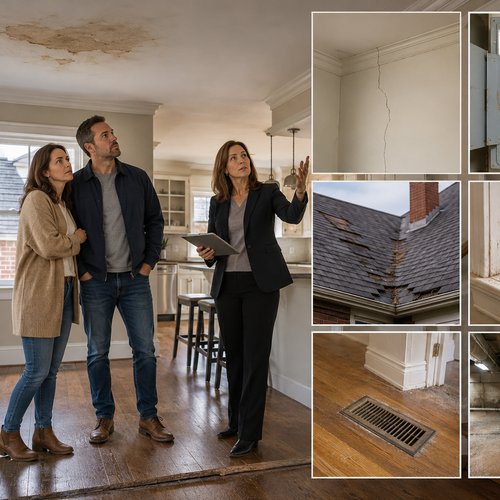
Señales de Alerta Que los Compradores Nunca Deben Ignorar Durante un Showing
Una casa puede verse perfecta durante un showing, pero ciertas señales de alerta pueden indicar reparaciones costosas o problemas a largo plazo.
Read ArticleThinking about buying?
Let's talk through your numbers first.
A 30-minute call covers what you can afford comfortably, what taxes and insurance really cost in the town you're looking at, and which loan programs fit you. You work directly with Alex from the first call to closing.
Schedule a buyer callEnglish or Spanish · Call or text 401-426-4857 · Contact form
196 Waterman St, Providence, RI 02906 · C: (401) 426-4857 · O: (401) 351-2017 · [email protected] · alexparmenidez.realtor