
How Much Should Closing Costs Affect Your Home-Buying Budget?
TL;DR
Closing costs should be treated as part of your total home-buying budget, not as an expense to consider at the last minute. These costs can include lender fees, title and settlement services, recording charges, prepaid taxes and insurance, and other transaction-related expenses. The exact amount varies by loan, property, location, and transaction, so buyers should ask their lender for a detailed estimate early and keep additional cash available beyond the down payment.
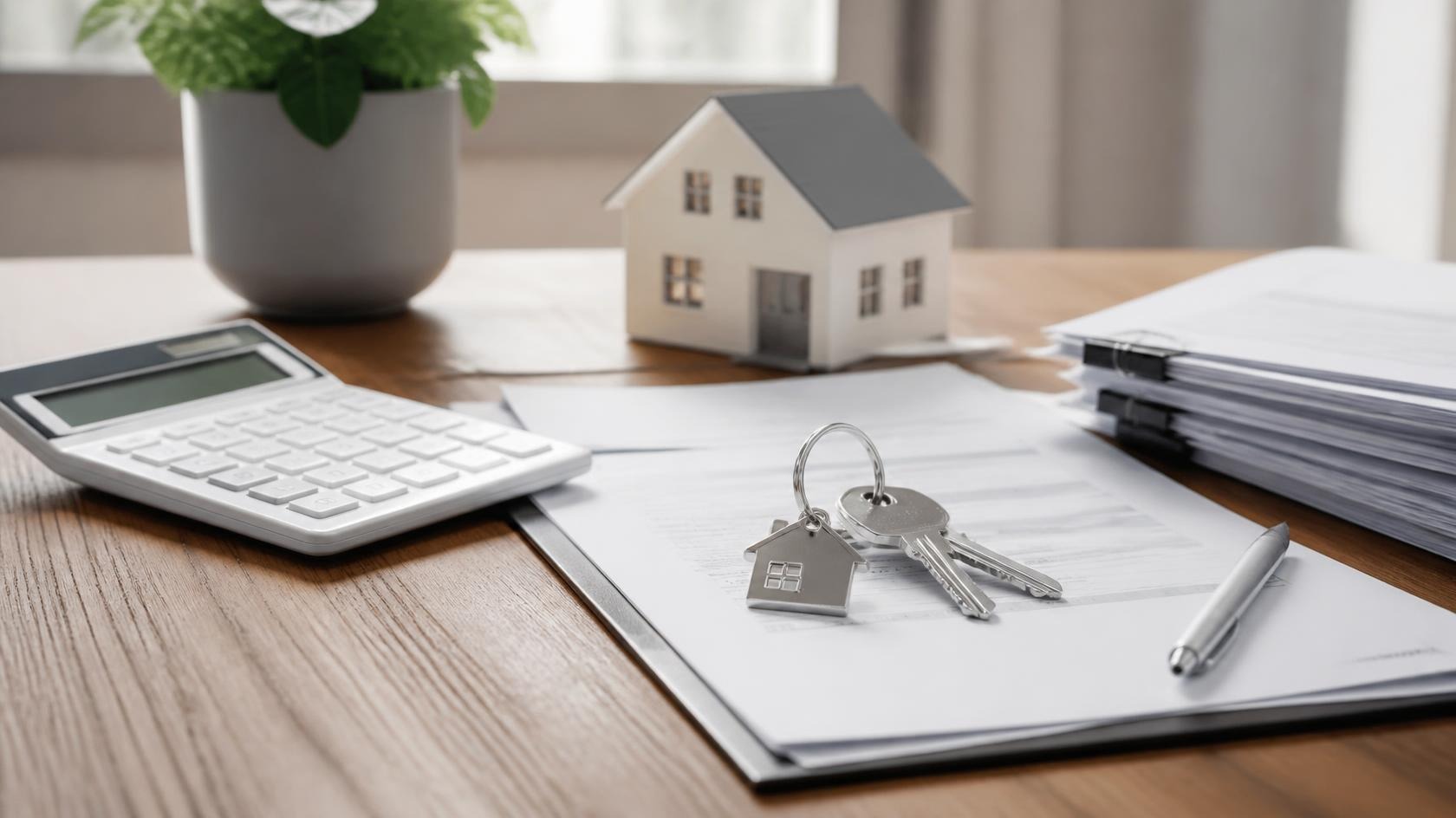
What Are Closing Costs?
Closing costs are the expenses associated with completing a real estate purchase. They are separate from the home's down payment and can include costs charged by the lender, title professionals, attorneys, government offices, and other parties involved in the transaction.
Depending on the purchase, buyers may encounter loan origination charges, appraisal fees, title-related expenses, recording fees, prepaid homeowners insurance, property-tax adjustments, and other charges. Not every buyer will pay exactly the same combination of costs.
The important point is that the purchase price alone does not represent the amount of cash you may need to complete the transaction. Your budget should account for the down payment plus expected closing costs and other funds you may need after closing.
How Much Should You Budget for Closing Costs?
There is no single percentage that applies to every home purchase. Closing costs depend on the loan program, lender, purchase price, property, municipality, title work, prepaid expenses, and other factors.
Because of these variables, buyers should avoid relying on a generic estimate when determining how much cash they need. A lender's Loan Estimate can provide a much more useful starting point once you have applied for a mortgage.
Ask your lender to explain which charges are expected, which are estimates, and which expenses you should plan to pay before or at closing. This gives you a clearer picture of your actual cash requirements.
How Do Closing Costs Change Your Home-Buying Budget?
Imagine you have saved enough for your planned down payment but very little beyond it. You may technically qualify for the purchase, but you could still be short of the cash needed to complete the transaction.
This is why buyers should calculate their total cash-to-close, rather than focusing only on the down payment. You also want to leave room for moving expenses, immediate repairs, furniture, utility deposits, and other costs that can arise after purchasing a home.
For buyers in Rhode Island, Massachusetts, or Connecticut, local taxes, recording charges, attorney involvement, and other transaction details can vary. Your lender and real estate professionals can help identify the expenses specific to your transaction.
Can Closing Costs Be Negotiated or Offset?
In some transactions, the purchase agreement may include seller concessions or other arrangements that help cover certain buyer expenses. Whether this is possible depends on the negotiation, the property, the type of loan, and applicable lender rules.
Buyers should not assume that a seller will automatically pay closing costs. Any proposed concession should be discussed with your real estate agent and lender because there can be limits on how funds may be used.
Loan programs may also offer different structures that affect the amount of cash needed upfront. Your lender can explain which options you qualify for and how each one changes your overall costs.
How Can You Prepare for Closing Costs?
Start planning for closing costs as soon as you begin the home-buying process. Ask your lender for a preliminary estimate and update your budget as you move closer to making an offer and eventually closing.
It is also wise to maintain a financial cushion instead of putting every available dollar toward the down payment. Owning a home comes with ongoing expenses, and having some reserves can make the transition into homeownership easier.
Before closing, carefully review the final documents and compare the expected costs with the amounts you were previously given. If something is unclear, ask your lender, attorney, or closing professional to explain it before signing.
Frequently Asked Questions
Are closing costs separate from the down payment?
Yes. The down payment is the portion of the purchase price you pay upfront, while closing costs are additional expenses associated with completing the transaction.
How much cash do I need to buy a home?
The amount depends on your down payment, closing costs, loan program, purchase price, prepaid expenses, and other transaction-specific costs. Your lender can provide an estimate of the cash you may need to close.
Can the seller pay my closing costs?
Sometimes. Seller concessions may be negotiated in certain transactions, subject to the purchase agreement, lender requirements, and applicable limits. Buyers should discuss this with their real estate agent and lender.
Are closing costs higher for more expensive homes?
Some closing costs can increase as the purchase price or loan amount increases, while others are relatively fixed. The total depends on the specific transaction rather than simply applying one percentage to the purchase price.
When should I start planning for closing costs?
Ideally, before you begin making offers. Knowing your estimated cash requirements can help you determine a realistic purchase price and avoid using your entire savings for the down payment.
If you're preparing to buy a home in Rhode Island, Massachusetts, or Connecticut, understanding closing costs early can help you build a more realistic budget and avoid surprises near closing. Alex Parmenidez can help you navigate the home-buying process and coordinate with the professionals involved in your transaction.
Thinking about buying?
Let's talk through your numbers first.
A 30-minute call covers what you can afford comfortably, what taxes and insurance really cost in the town you're looking at, and which loan programs fit you. You work directly with Alex from the first call to closing.
Schedule a buyer callEnglish or Spanish · Call or text 401-426-4857 · Contact form
196 Waterman St, Providence, RI 02906 · C: (401) 426-4857 · O: (401) 351-2017 · [email protected] · alexparmenidez.realtor
Check out this article next
¿Cuánto Deberían Influir Los Costos De Cierre En Su Presupuesto Para Comprar Una Casa?
Los costos de cierre deben considerarse como parte de su presupuesto total para comprar una casa, no como un gasto que debe analizarse a último…
Read Article