
Is It Better to Buy or Rent During High Interest Rates?
TL;DR
High interest rates can make monthly mortgage payments higher, but buying a home may still offer long-term financial benefits through equity and appreciation, while renting provides flexibility but does not build ownership.
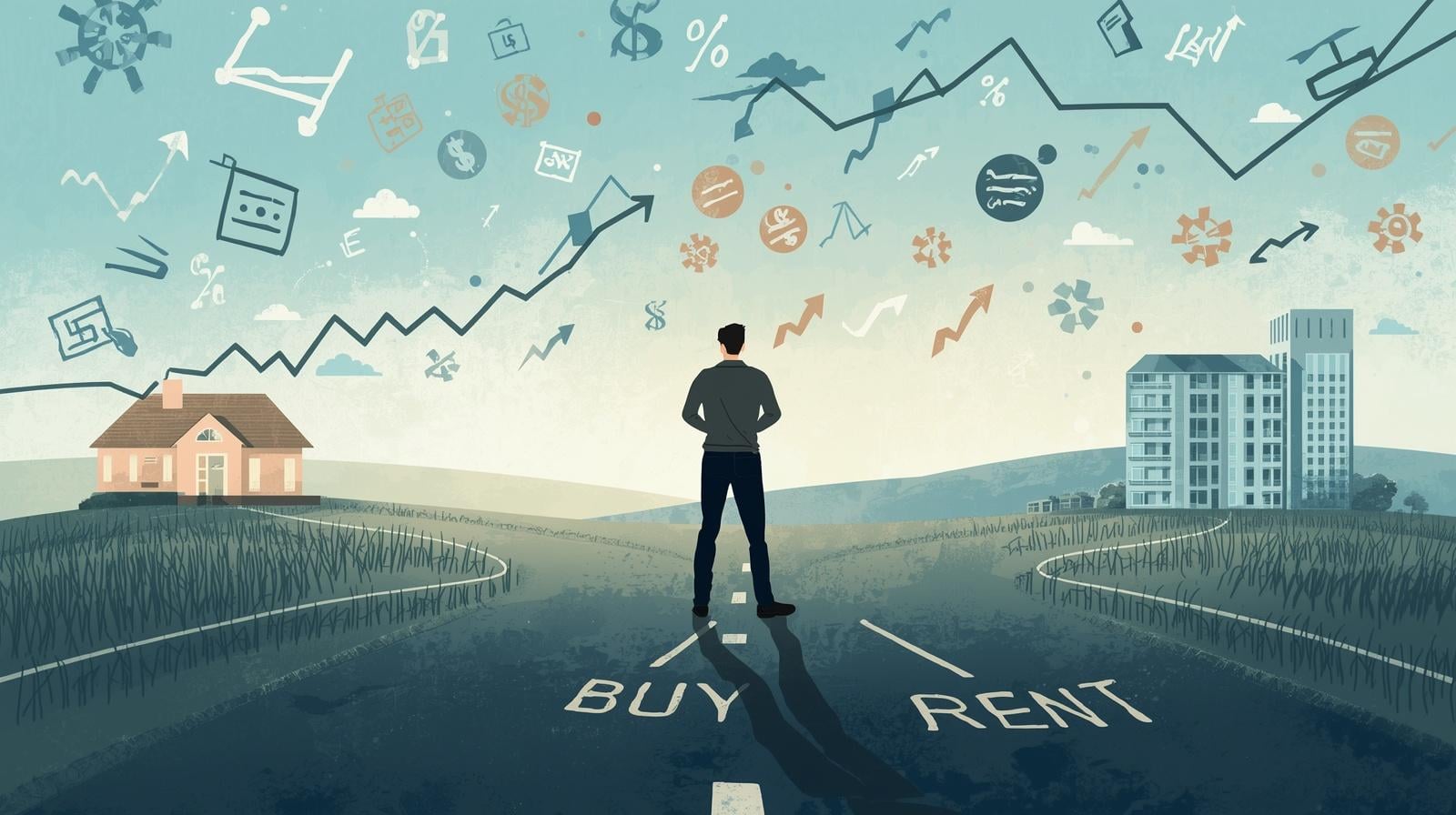
Understanding the Impact of High Interest Rates
Interest rates play a significant role in the housing market because they directly affect mortgage affordability. When rates rise, monthly mortgage payments typically increase, which can make some buyers reconsider whether purchasing a home is the right decision.
However, high interest rates do not automatically mean renting is the better option. The decision to buy or rent depends on several factors, including how long you plan to stay in the home, your financial readiness, and local market conditions.
For many buyers, the key question becomes whether the long-term benefits of owning a home outweigh the short-term cost of higher borrowing rates.
Why Some Buyers Still Choose to Buy
Even when interest rates are elevated, many buyers still choose to purchase a home for long-term stability and financial growth.
One reason is equity building. With every mortgage payment, a portion goes toward the principal balance, gradually increasing ownership in the property. Over time, this can become a significant financial asset.
Additionally, homeowners may benefit from home value appreciation. While housing markets can fluctuate in the short term, real estate has historically increased in value over longer periods.
Another factor is the possibility of refinancing. If interest rates decline in the future, homeowners may be able to refinance their mortgage at a lower rate, potentially reducing monthly payments.
The Advantages of Renting During High Interest Rate Periods
Renting may appeal to people who prefer flexibility or who are not ready to commit to homeownership during periods of higher borrowing costs.
For example, renters do not need to worry about property maintenance, unexpected repairs, or long-term financial commitments tied to a mortgage. Renting can also make it easier to relocate for career opportunities or lifestyle changes.
However, while renting provides flexibility, monthly rent payments do not build equity or create long-term ownership value.
Comparing Long-Term Costs
When comparing buying versus renting during periods of higher interest rates, it's important to consider the long-term financial picture.
Mortgage payments may initially be higher than rent in some markets, but homeowners gradually build equity as they pay down the loan. Rent payments, on the other hand, typically increase over time without creating ownership.
For buyers planning to stay in a home for several years, the financial advantages of homeownership may still outweigh the short-term impact of higher rates.
Timing the Market vs. Timing Your Life
Many buyers try to time the housing market based on interest rates, but real estate decisions often work best when aligned with personal goals rather than short-term market conditions.
If someone plans to stay in a home long-term, has stable income, and is financially prepared for homeownership, buying during higher interest rate periods may still make sense.
Understanding your personal timeline and financial situation is often more important than trying to perfectly predict future interest rate movements.
Frequently Asked Questions
Q: Is it better to buy or rent when interest rates are high?
A: It depends on your financial situation and how long you plan to stay in the home. While higher interest rates increase borrowing costs, buying can still provide long-term benefits through equity and potential appreciation.
Q: Should I wait for interest rates to drop before buying a home?
A: Some buyers choose to wait, but predicting interest rate changes is difficult. If you're exploring whether now might still be a good time to buy, you can find more information about current opportunities on my website.
Q: Can you refinance if interest rates drop later?
A: Yes, many homeowners refinance their mortgage if interest rates decline, which may allow them to secure a lower monthly payment or improved loan terms.
Q: Do rising interest rates affect rent prices too?
A: In many markets, rising home prices and interest rates can also influence rental demand, which may lead to rent increases over time. If you're curious about housing trends in your local area, you can explore more insights on my website.
Q: How do I know if I'm financially ready to buy a home?
A: Financial readiness often includes having stable income, manageable debt, savings for a down payment, and a solid credit profile. Understanding these factors can help you determine whether buying or renting fits your current goals.
Check out this article next

¿Qué Puntaje de Crédito Necesitas para Comprar una Casa?
La mayoría de los compradores pueden calificar para una hipoteca con un puntaje de crédito desde aproximadamente 580 para préstamos FHA y alrededor de 620…
Read ArticleLooking at a 2–4 family?
Run the real numbers before you offer.
Actual versus market rents, the FHA self-sufficiency test, taxes, insurance and financing. Alex has closed more than 275 transactions, many of them multifamily in Providence, Pawtucket and Central Falls, and will tell you plainly whether a property works.
Schedule a multifamily callEnglish or Spanish · Call or text 401-426-4857 · Contact form
196 Waterman St, Providence, RI 02906 · C: (401) 426-4857 · O: (401) 351-2017 · [email protected] · alexparmenidez.realtor