
The Pet Owner's Guide to Buying a Home
TL;DR
Buying a home isn't just about finding the right space for your family—it's also about finding the right environment for your pets. From yard size and flooring to neighborhood amenities and local regulations, pet owners should consider several factors that can make life safer, more convenient, and more enjoyable for both them and their four-legged companions.
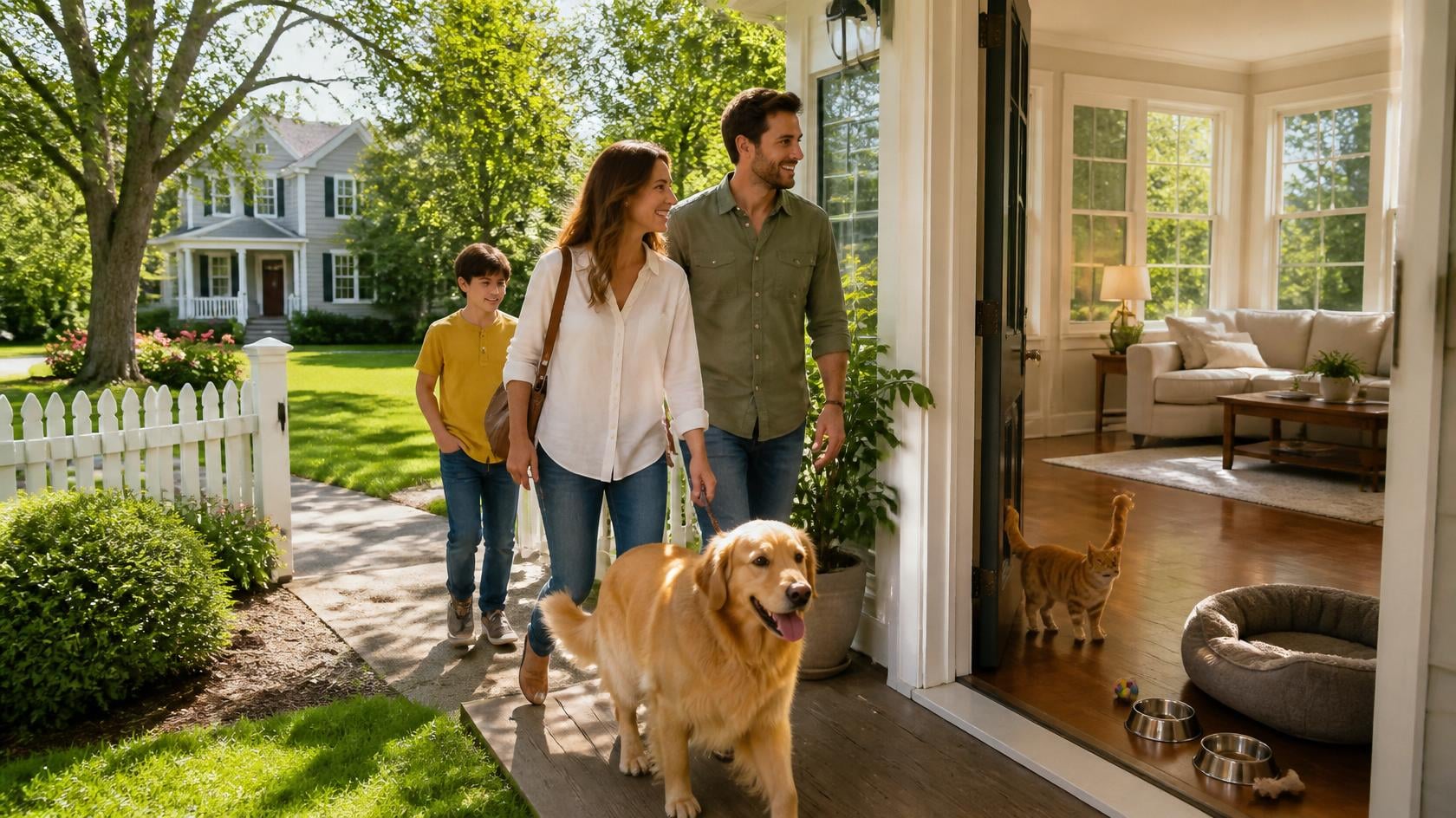
Finding the Right Home Means Thinking About Every Member of the Family
For many people, pets are family. Whether you have a playful Labrador, an indoor cat, or multiple pets, your next home should meet everyone's needs—not just your own.
It's easy to focus on features like updated kitchens, large bedrooms, or modern finishes during your home search. While those amenities are certainly important, pet owners should also evaluate how well a property supports their daily routines and their pets' long-term well-being.
A home that works beautifully for a family may not be ideal for a large dog that needs room to exercise or for an aging pet that struggles with stairs. Thinking about these factors before making an offer can help you avoid expensive modifications or lifestyle challenges after closing.
Throughout Rhode Island, Massachusetts, and Connecticut, buyers can find a wide variety of homes—from urban condos to suburban Colonials and rural properties. Understanding which type of home best fits both your lifestyle and your pets can make your purchase much more rewarding.
Outdoor Space, Neighborhood, and Safety Matter More Than You May Think
One of the first things many pet owners consider is outdoor space. While a large fenced backyard can certainly be attractive, the size of the yard isn't the only factor worth evaluating.
Take time to observe the neighborhood itself. Wide sidewalks, quiet streets, nearby parks, walking trails, and green spaces can dramatically improve your daily routine with your pet. Communities that encourage outdoor activities often provide a better overall experience for both pets and their owners.
Buyers should also consider traffic patterns, nearby busy roads, and whether the property offers a secure area where pets can safely spend time outside. If the yard isn't fenced, determine whether adding fencing would be permitted and financially practical.
For buyers considering condominiums or planned communities, it's equally important to review homeowner association (HOA) rules. Some communities have restrictions regarding pet size, breed, the number of animals allowed, or even where pets may be walked within the development.
Taking a few extra minutes to research these details before purchasing can help prevent unexpected surprises after moving in.
Look Beyond Appearance and Consider Your Home's Everyday Functionality
Beautiful finishes may catch your attention during a showing, but practical features often become more important once you begin living in the home with your pets.
Flooring is a perfect example. Hardwood floors offer timeless beauty but may show scratches more easily with larger dogs. Carpet provides comfort but can trap pet hair, odors, and allergens. Luxury vinyl plank and tile flooring have become increasingly popular because they offer durability, water resistance, and relatively easy maintenance.
Inside the home, think about how the layout supports your daily routine.
Ask yourself questions like:
- Is there enough room for pet beds or crates?
- Is there a convenient area for feeding?
- Where will litter boxes be placed?
- Is there space to store pet food, toys, and supplies?
- Would a mudroom make cleaning paws easier after walks?
- Is there direct access to the backyard?
These practical details may seem small during a showing, but they can significantly improve your everyday living experience over the years.
Don't Forget Future Costs and Local Regulations
Owning a home comes with ongoing responsibilities, and pet ownership can influence those expenses as well.
If you're purchasing a home with a large yard, you'll likely spend more time and money maintaining the property. Fencing, landscaping, lawn care, and occasional repairs should all be considered as part of your overall homeownership budget.
Buyers should also research local pet regulations before purchasing. Municipalities may have licensing requirements, leash laws, noise ordinances, or limits on the number of pets allowed at a property. Understanding these rules ahead of time helps ensure your new home fits both your lifestyle and local requirements.
Another important consideration is proximity to veterinary clinics, emergency animal hospitals, grooming services, boarding facilities, and pet supply stores. While these may not influence every buying decision, convenient access can make pet ownership significantly easier over the long term.
Thinking beyond the house itself allows buyers to choose not only the right property but also the right community.
Choosing a Home That Works for Your Entire Family
Buying a home is one of the biggest investments you'll ever make, and it's worth considering how the property will serve every member of your household—including the ones with four legs.
A home with functional living spaces, durable materials, a safe outdoor environment, and a pet-friendly neighborhood can improve your quality of life for many years to come.
Working with a local real estate professional who understands your priorities can also help identify properties that match both your housing goals and your lifestyle. Instead of simply searching for the perfect house, you'll be searching for a home where your entire family can thrive.
If you're planning to buy a home in Rhode Island, Massachusetts, or Connecticut, taking your pets' needs into account from the beginning can help you make a smarter, more confident decision.
Frequently Asked Questions
Is a fenced yard necessary when buying a home with a dog?
Not necessarily. While fenced yards provide convenience and security, nearby parks, walking trails, and safe neighborhoods can also meet many dogs' exercise needs. Buyers should consider their pet's activity level and lifestyle.
Should pet owners avoid certain types of flooring?
Durable flooring such as luxury vinyl plank, tile, and some engineered hardwood products often perform well in homes with pets because they resist scratches, moisture, and everyday wear better than carpet or softer hardwood species.
Are there pet restrictions in some neighborhoods?
Yes. Certain condominiums, homeowner associations (HOAs), and planned communities may limit the number, size, or breed of pets allowed. Buyers should always review community rules before purchasing.
What neighborhood features should pet owners look for?
Many pet owners appreciate sidewalks, parks, walking trails, low-traffic streets, nearby veterinary clinics, and pet-friendly community amenities that make daily life more convenient.
Should pet owners tell their real estate agent about their pets?
Absolutely. Sharing your pets' needs early in the home search allows your agent to recommend properties and neighborhoods that better fit your lifestyle, saving time and helping you find a home that's comfortable for your entire family.
Check out this article next

La Guía del Dueño de Mascotas para Comprar una Casa
Comprar una casa no solo significa encontrar el espacio ideal para tu familia, sino también para tus mascotas.
Read ArticleThinking about buying?
Let's talk through your numbers first.
A 30-minute call covers what you can afford comfortably, what taxes and insurance really cost in the town you're looking at, and which loan programs fit you. You work directly with Alex from the first call to closing.
Schedule a buyer callEnglish or Spanish · Call or text 401-426-4857 · Contact form
196 Waterman St, Providence, RI 02906 · C: (401) 426-4857 · O: (401) 351-2017 · [email protected] · alexparmenidez.realtor