
What Should You Know About Basement Moisture Before Buying a Home?
TL;DR
Basement moisture is an important warning sign to investigate before buying a home because it can indicate drainage problems, foundation issues, plumbing leaks, poor ventilation, or other sources of water intrusion. Signs can include musty odors, damp walls or floors, water stains, efflorescence, peeling paint, mold-like growth, or visible standing water. A damp basement does not automatically mean you should walk away from a property, but buyers should determine where the moisture is coming from, whether it is an active or recurring problem, and what repairs may be needed before moving forward.
What Are the Signs of Basement Moisture?
One of the easiest signs to notice is a musty or damp smell, especially when the basement appears dry during the showing. Moisture can remain in walls, flooring, wood, insulation, or other materials even when there is no standing water. Buyers should pay attention to unusual odors and ask whether the smell changes after heavy rain or during different seasons.
Visible signs can include water stains, damp floors, peeling paint, discoloration, damaged drywall, or white powdery deposits called efflorescence. Efflorescence can occur when moisture moves through masonry and leaves mineral deposits behind. These signs do not identify the exact source, but they indicate that further investigation may be appropriate.
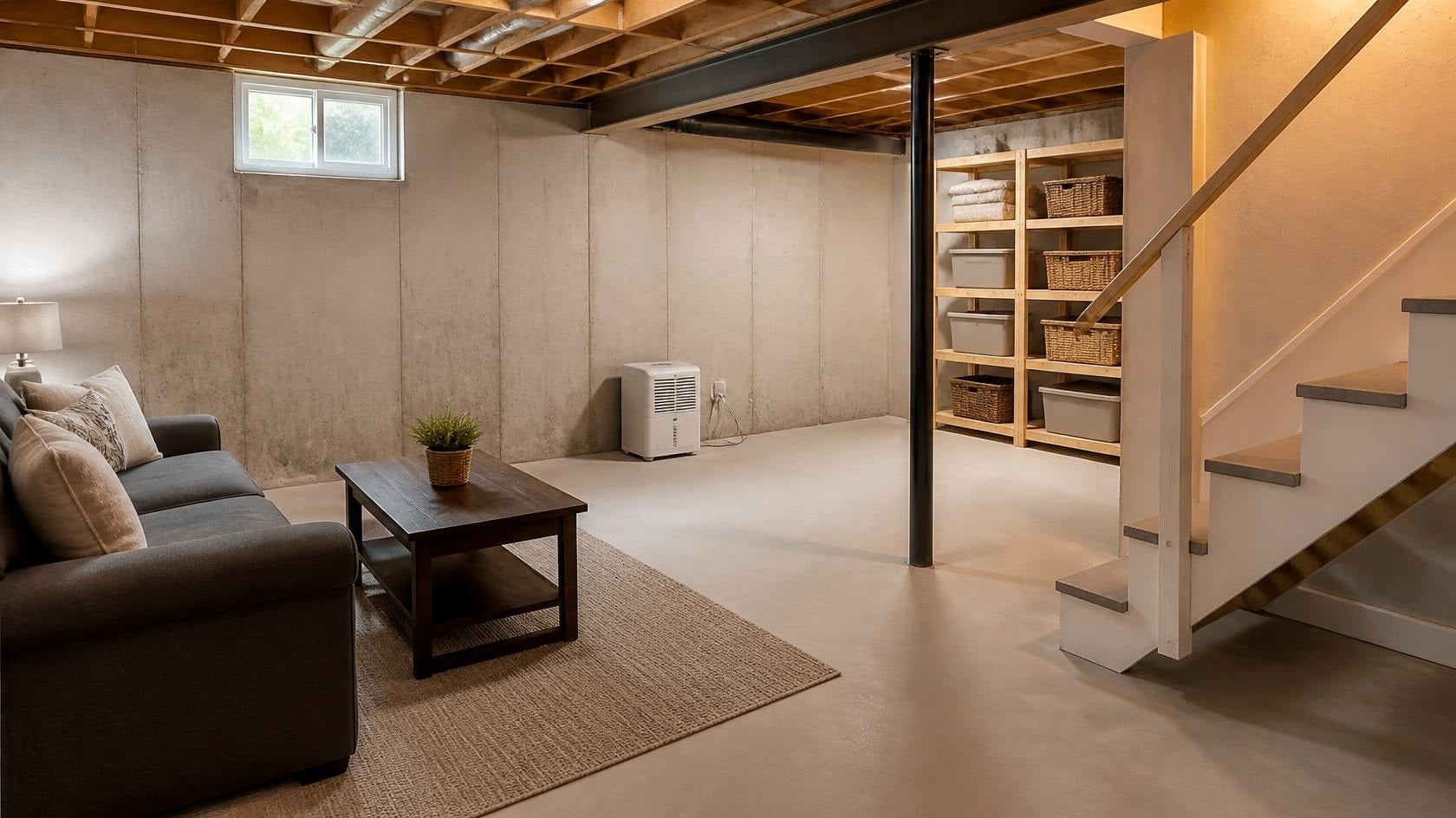
Look closely around foundation walls, windows, floor drains, sump pumps, utility areas, and the points where pipes enter the foundation. If you see fresh-looking repairs, recently painted areas, new flooring, or dehumidifiers running continuously, ask questions about why they were installed and whether there has been a previous water problem.
What Causes Moisture in a Basement?
Basement moisture can come from several sources. Poor exterior drainage is one possibility. Gutters and downspouts that direct water toward the foundation, grading that slopes toward the house, or inadequate drainage around the property can allow rainwater to collect near foundation walls.
Water can also enter through foundation cracks, basement windows, joints, floor drains, or plumbing systems. In some homes, groundwater pressure can push moisture through the foundation or basement floor, particularly after periods of heavy rain or when the water table is high.
Rhode Island and other New England homes can experience these conditions throughout the year. Seasonal rain, snowmelt, freezing temperatures, and older foundation systems can all make moisture management important. Identifying the source matters because simply covering a damp wall or installing a dehumidifier may not address the underlying problem.
Why Should Rhode Island Home Buyers Pay Attention to Basement Moisture?
Basements are common in many Rhode Island homes, particularly older properties, and they can provide valuable storage, mechanical space, or potential future living space. However, buyers should not assume that every basement is equally dry or suitable for finishing. A basement that looks clean during a summer showing may reveal different conditions after heavy rain, snowmelt, or a prolonged wet period.
Moisture can also affect the condition of the foundation, framing, flooring, insulation, and stored materials over time. Persistent moisture may create conditions that contribute to mold growth or wood deterioration, depending on the materials and circumstances. These possibilities make the condition of the basement relevant to the home's overall maintenance needs.
When buying in Rhode Island, Massachusetts, or Connecticut, buyers should ask about previous water intrusion, sump pumps, drainage systems, basement repairs, and insurance claims when appropriate. Reviewing available disclosures and discussing concerns with the home inspector can help provide a clearer picture of the property's history and current condition.
Can Basement Moisture Be Fixed Before Closing?
In many cases, basement moisture can be addressed, but the appropriate repair depends on the source of the water. Solutions may include improving grading, extending downspouts, repairing gutters, addressing foundation cracks, improving drainage, repairing plumbing leaks, installing or servicing a sump pump, or making other water-management improvements.
The important point for a buyer is to understand the problem before agreeing to a solution. A seller may have installed a dehumidifier, sump pump, interior drainage system, or other measure, but buyers should still ask what problem the system was intended to address and whether there are records of previous repairs.
If significant moisture is discovered during the inspection, buyers may have options depending on the purchase agreement and circumstances. These could include requesting repairs, negotiating other terms, or obtaining additional professional evaluations. Your real estate agent can help coordinate the process, while qualified contractors, inspectors, engineers, or other specialists can determine the technical cause and appropriate repair.
What Should You Do If You Find Moisture Before Buying?
If you discover signs of basement moisture, do not rely on appearance alone. Ask the seller for information about previous water intrusion and repairs, and have the basement carefully evaluated during the inspection. Pay particular attention to the foundation, drainage, sump pump, plumbing, windows, and areas where water may enter.
It can also be useful to inspect the exterior of the property. Look at the slope of the ground around the foundation, gutters, downspouts, window wells, and areas where rainwater may collect. A basement problem can sometimes be connected to conditions outside the house rather than a defect inside the basement itself.
For buyers considering an older Rhode Island home, understanding the source and potential cost of a moisture problem is more important than simply deciding whether a basement looks dry on the day of the showing. A thorough evaluation can help you understand the property's condition, potential repair needs, and whether the home fits your plans and budget.
Frequently Asked Questions
Is basement moisture a reason not to buy a house?
Not necessarily. Many moisture problems can be corrected, but the severity, source, repair cost, and recurrence of the problem should be evaluated before making a decision.
What does a musty basement smell mean?
A musty smell can indicate moisture or elevated humidity, even when visible water is not present. The source should be investigated rather than assuming that the odor is simply normal for a basement.
Can a home inspector find basement moisture?
A home inspector can identify many visible signs of moisture and water intrusion, but an inspection is not necessarily a guarantee that every moisture problem will be discovered. Additional evaluation may be appropriate when there are signs of a significant or recurring issue.
Should I buy a house with a sump pump?
A sump pump is not automatically a negative sign. Many homes use sump pumps as part of their water-management system. Buyers should understand why the system is present, whether it is functioning properly, and whether there is appropriate backup protection when needed.
Can basement moisture affect a home's value?
Persistent or significant moisture can affect a property's condition and may influence buyer interest, repair costs, and negotiations. The potential impact depends on the cause, severity, documentation, and whether the problem has been properly corrected.
If you're buying a home in Rhode Island and discover basement moisture during a showing or inspection, Alex Parmenidez can help you understand the real estate side of the process and coordinate the next steps with the appropriate professionals.
Thinking about buying?
Let's talk through your numbers first.
A 30-minute call covers what you can afford comfortably, what taxes and insurance really cost in the town you're looking at, and which loan programs fit you. You work directly with Alex from the first call to closing.
Schedule a buyer callEnglish or Spanish · Call or text 401-426-4857 · Contact form
196 Waterman St, Providence, RI 02906 · C: (401) 426-4857 · O: (401) 351-2017 · [email protected] · alexparmenidez.realtor
Check out this article next
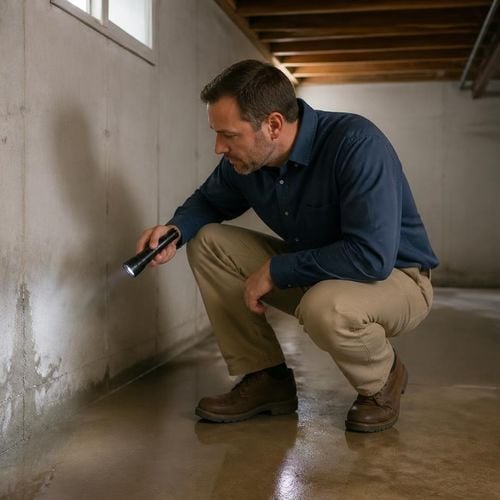
¿Qué Debe Saber Sobre la Humedad en el Sótano Antes de Comprar una Vivienda?
La humedad en el sótano es una señal importante que debe investigarse antes de comprar una vivienda.
Read Article