
Should I Sell My House to Pay Off Debt?
TL;DR
Selling your house can help pay off debt if you have enough equity, but its important to calculate your actual net proceeds after the mortage and selling costs. Compare those proceeds with your debt and future housing expenses before deciding.
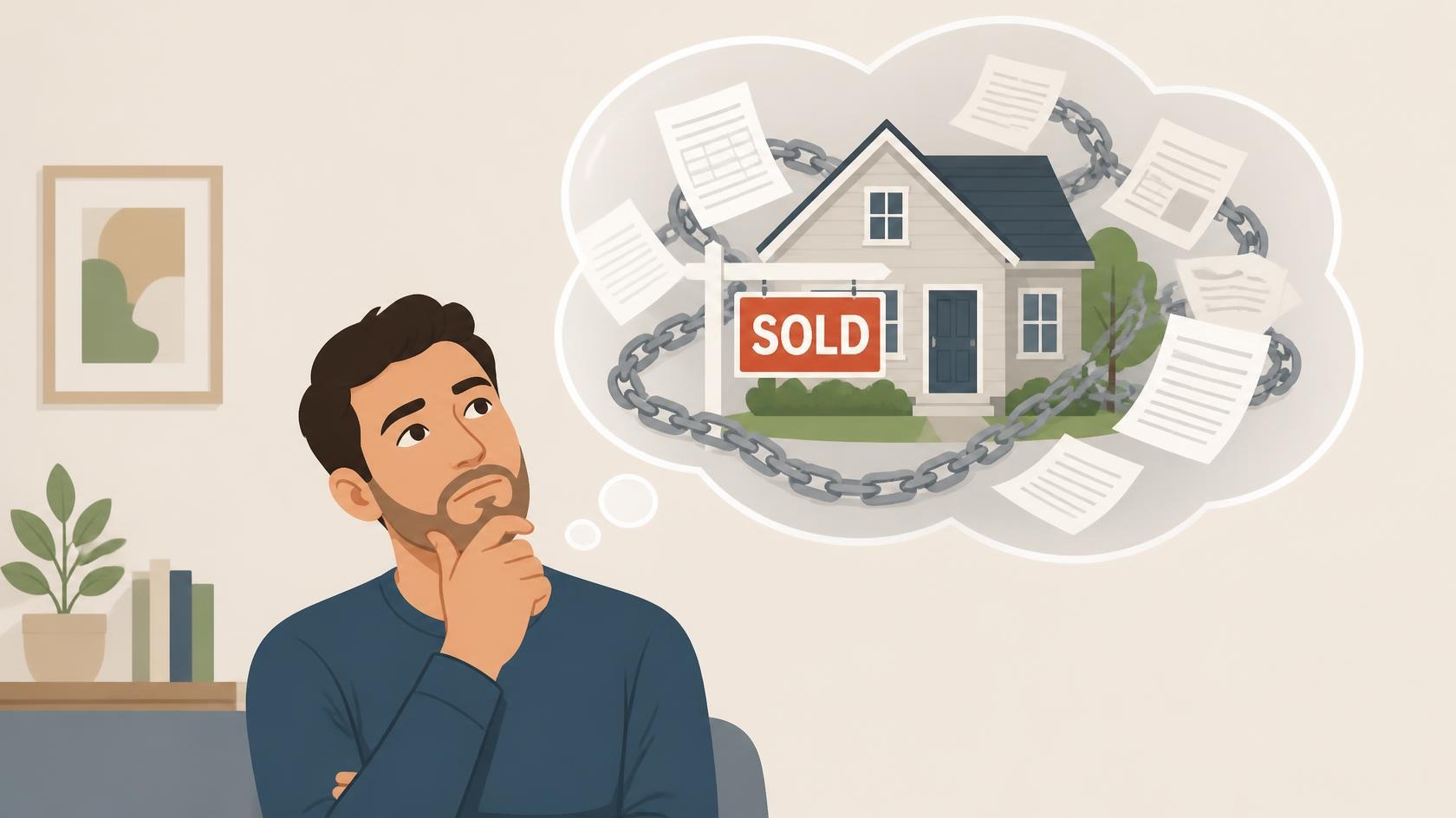
When Does Selling Your House to Pay Off Debt Make Sense?
Homeowners sometimes consider selling when credit card balances, personal loans, medical bills, or other debts have become difficult to manage. If your home has built significant equity, selling could provide a lump sum that allows you to eliminate some or all of those debts.
Home equity is generally the difference between what your home is worth and what you owe against it. However, the amount of equity you have is not necessarily the amount of money you will receive after a sale.
For example, imagine your Rhode Island home could sell for $500,000 and your mortgage payoff is $250,000. That does not mean you will automatically have $250,000 available for debt repayment.
You will also need to account for the costs associated with selling the property and any other liens or obligations that must be paid at closing.
The CFPB notes that a mortgage payoff amount can differ from the current mortgage balance because it may include accrued interest and other applicable charges.
How Much Money Would You Actually Have After Selling?
Before deciding to sell, calculate your estimated net proceeds rather than focusing only on your home's market value.
A basic calculation looks like this:
Estimated sale price − mortgage payoff − selling expenses − other liens/obligations = estimated net proceeds
Selling expenses can include commissions, attorney or title-related expenses, transfer taxes or other transaction costs, property taxes, repair expenses, and other costs depending on the transaction.
For example, if your home sells for $500,000 and your total mortgage payoff and other required obligations are $275,000, you might have significant equity. But the final amount available to you will be lower after the costs of completing the sale.
Getting an estimated seller net sheet from a real estate professional can help you understand the numbers before putting your property on the market.
This is particularly important if you are considering selling in Rhode Island, Massachusetts, or Connecticut, where transaction costs and local requirements can vary.
What Are the Advantages and Disadvantages of Selling to Pay Debt?
The biggest potential advantage is that selling may allow you to convert home equity into cash and use the proceeds to reduce or eliminate debt.
You may also reduce monthly financial obligations. If your mortgage payment is a significant expense, selling could potentially allow you to move into a less expensive home or another housing arrangement.
However, there are important trade-offs.
You would no longer own the property, and you may need to find another place to live. Depending on your situation, rent or the cost of purchasing another home could create a new monthly expense.
You should also consider whether selling now means giving up future use of the property or potential appreciation.
Another consideration is timing. If you recently purchased the house or have limited equity, selling costs could significantly reduce the amount you walk away with. The CFPB notes that homeowners who sell within the first few years may find that transaction costs leave them with little additional equity beyond what they started with.
The goal should not simply be to eliminate debt today. You should also consider what your overall financial situation would look like after the sale.
Should You Borrow Against Your Home Instead of Selling?
Selling is not the only way homeowners may access equity.
Some homeowners consider a home equity loan, HELOC, or cash-out refinance to pay other debts. These options can provide access to money without immediately selling the property.
However, using home equity to pay unsecured debts comes with an important risk: your home becomes collateral for the new borrowing.
The CFPB warns that if a homeowner cannot repay a home equity loan or HELOC, the homeowner could potentially lose the property through foreclosure. It also points out that using home equity to pay off other debt does not eliminate the debt—it replaces one obligation with another.
That means you should compare more than the monthly payment.
Consider the interest rate, loan term, closing costs, total interest, monthly payment, and what could happen if your income changes.
For some homeowners, selling may provide a cleaner financial reset. For others, keeping the home while restructuring their debt may make more sense. A qualified financial or credit counselor can help evaluate the debt side of the decision.
What Should You Calculate Before Listing Your House?
Before deciding whether to sell your house to pay off debt, gather the numbers and look at the complete financial picture.
Start by determining your home's realistic current market value. Then request a current mortgage payoff amount from your lender. Remember that the payoff amount may differ from the balance shown on your latest mortgage statement.
Next, estimate your selling expenses and identify any additional liens or obligations attached to the property.
Then calculate how much debt you want to eliminate and how much money you would have remaining after paying those debts.
Finally, create a post-sale budget.
Ask yourself:
Where would you live after selling?
What would your monthly housing cost be?
How much cash would remain after paying your debts?
Would you have an emergency fund?
Would selling solve the underlying financial problem?
Would keeping the house be affordable if your debt were reduced another way?
If selling appears to be a viable option, getting a professional home valuation and estimated seller net proceeds can help you make the decision using actual numbers rather than assumptions.
If you are considering selling a Rhode Island home because of financial pressure, foreclosure concerns, or significant debt, it can be helpful to understand your options before making a decision. A real estate professional can help you evaluate the potential sale proceeds and timeline, while a qualified financial or credit professional can help you evaluate the debt-management side.
Frequently Asked Questions
Is selling my house a good way to pay off debt?
It can be an option when the home has enough equity to pay the mortgage, selling expenses, and a meaningful portion of your debt. The decision depends on your complete financial situation and what your housing costs would be afterward.
How do I know how much equity I have in my house?
Estimate your home's current market value and subtract your outstanding mortgage balances and other liens. For a more accurate figure, request a mortgage payoff statement and obtain a realistic estimate of your home's market value.
Can I sell my house if I still have a mortgage?
Yes. In a typical sale, the mortgage is paid from the proceeds at closing. The CFPB explains that homeowners can sell their homes and use the proceeds to pay what they owe, with any remaining funds going to the seller.
Should I use a home equity loan to pay off credit card debt instead of selling?
A home equity loan may provide access to a lower-cost source of borrowing in some circumstances, but it uses your home as collateral. If you cannot repay the loan, you could put your home at risk. Compare the total cost and risks with other debt-management options before proceeding.
What should I do before selling my Rhode Island house to pay off debt?
Start by determining your home's realistic value, requesting your mortgage payoff amount, estimating selling expenses, identifying other liens, and calculating your expected net proceeds. Then compare those proceeds with your debts and your expected housing costs after the sale.
If you are considering selling your Rhode Island home to improve your financial situation, understanding your potential net proceeds is an important first step. Alex Parmenidez can help you evaluate your home's market value and the potential sale process so you can make an informed decision based on your numbers.
Thinking about buying?
Let's talk through your numbers first.
A 30-minute call covers what you can afford comfortably, what taxes and insurance really cost in the town you're looking at, and which loan programs fit you. You work directly with Alex from the first call to closing.
Schedule a buyer callEnglish or Spanish · Call or text 401-426-4857 · Contact form
196 Waterman St, Providence, RI 02906 · C: (401) 426-4857 · O: (401) 351-2017 · [email protected] · alexparmenidez.realtor
Check out this article next

¿Debería Vender Mi Casa para Pagar Mis Deudas?
Vender su casa puede ayudarle a pagar sus deudas si tiene suficiente patrimonio acumulado
Read Article