
Should You Buy a Home Near a Major Road, Highway, or Train Station?
TL;DR
Buying a home near a major road, highway, or train station can offer convenience, shorter commutes, and potentially easier access to jobs, shopping, and public transportation. However, traffic noise, privacy, congestion, and resale appeal are important factors to evaluate before making an offer.
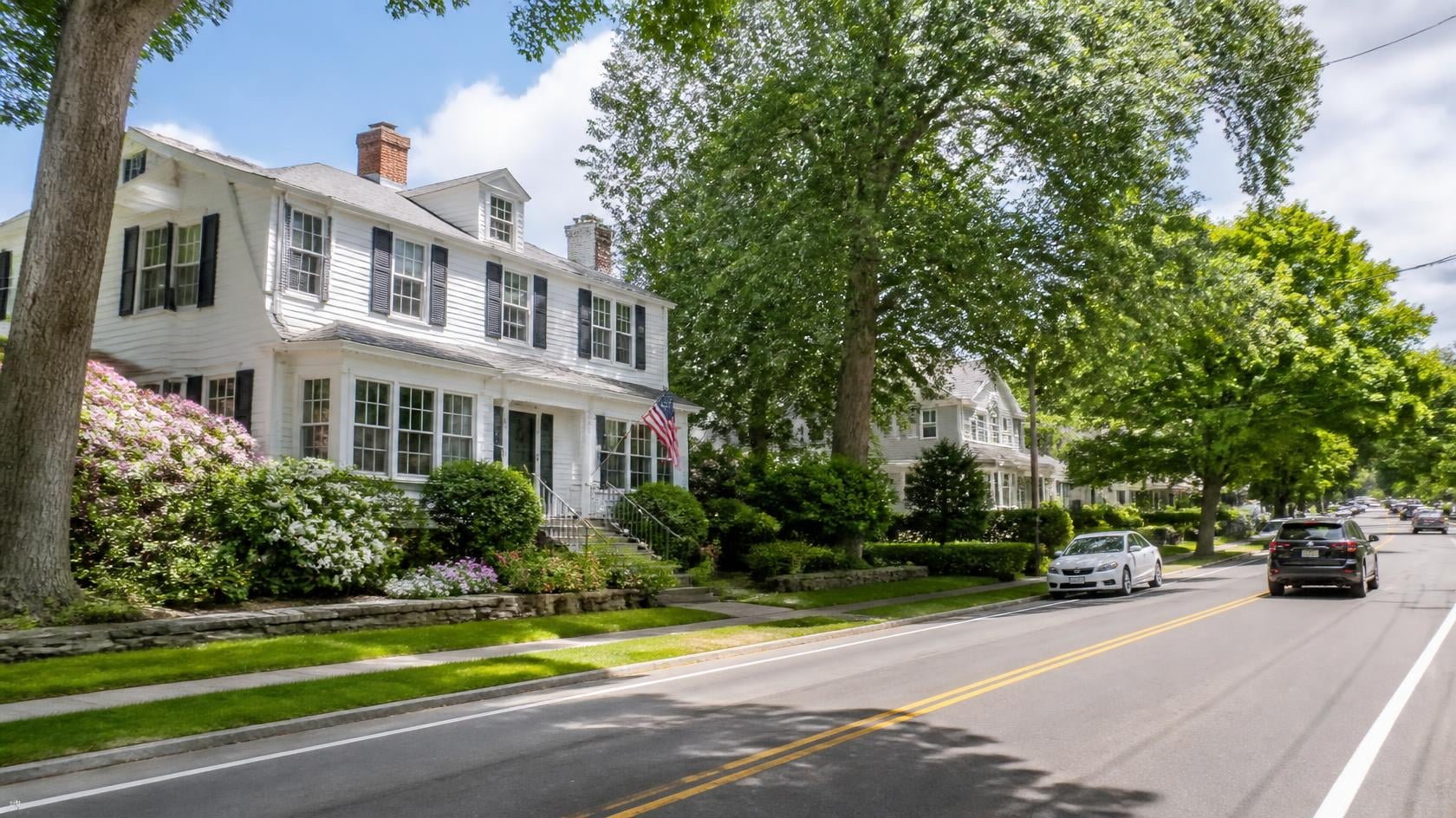
Why Location Near Transportation Can Be a Major Advantage
Location is one of the most important factors when purchasing a home, and being close to transportation can make a property significantly more convenient for the right buyer. A home near a major road or highway may provide easier access to work, schools, shopping, healthcare, and entertainment, while a property near a train station can reduce the need to drive every day.
This can be particularly relevant throughout Rhode Island, Massachusetts, and Connecticut, where many homeowners commute between cities and surrounding communities. A property with convenient access to major routes or rail service can make daily life easier and potentially broaden its appeal to future buyers.
For some buyers, being able to walk or drive a short distance to a train station is a major lifestyle benefit. For others, the convenience may not outweigh concerns about noise or traffic. The key is understanding what matters most to you before deciding whether the location is an advantage or a compromise.
The Potential Benefits of Buying Near a Highway or Train Station
One of the biggest advantages is accessibility. A home located near a major transportation route can make commuting more predictable and provide multiple options for getting around.
Buyers may benefit from:
- Shorter driving routes to work
- Easier access to interstate highways
- Proximity to commuter rail
- Convenient access to shopping and services
- Potentially less dependence on a car
- Greater flexibility for commuting
For example, someone who regularly travels to Providence, Boston, Hartford, or other employment centers may place a much higher value on transportation access than someone who works primarily from home.
Proximity can also become an important selling point when you eventually sell the property. A future buyer who has the same commuting needs may specifically search for homes near a particular highway or train station.
However, being close to transportation is not automatically the same as being desirable. The exact distance and position of the property matter. A home a short walk from a train station may be convenient, while a home directly beside active tracks may experience very different conditions.
What Are the Downsides of Living Near a Major Road or Train Station?
The same transportation access that creates convenience can also create potential drawbacks.
Noise is one of the biggest considerations. Traffic, trucks, trains, horns, and other transportation activity can affect how comfortable a property feels, particularly during certain times of the day.
There may also be concerns about:
- Traffic congestion
- Reduced privacy
- Vehicle headlights
- Pedestrian or commuter activity
- Road noise
- Train noise or vibration
- Difficulty entering or exiting the property
- Limited outdoor enjoyment
These factors don't necessarily make a home a bad purchase, but buyers should understand exactly what they are accepting.
A property that seems quiet during a Sunday afternoon showing could feel very different during Monday morning rush hour. That's why buyers should evaluate the location at different times of day and on different days of the week before making a final decision.
The goal isn't simply to determine whether the home is close to transportation. It's to determine how that transportation affects your experience of living there.
How Transportation Proximity Can Affect Resale Value
One of the most important questions buyers should ask is how the location could affect the home's future marketability.
Transportation access can be a positive feature when it provides convenience without creating significant drawbacks. A home near a commuter rail station, for example, may appeal to buyers who value public transportation and shorter commutes.
At the same time, a property directly adjacent to a heavily traveled highway or railroad may have a smaller pool of potential buyers because some people prioritize quiet surroundings and privacy.
This means the specific location matters more than simply saying a property is "near transportation."
When evaluating a home, consider:
- How close is the property to the road or station?
- Can you hear traffic or trains inside the home?
- Is there a buffer of trees or other landscaping?
- Does the property have a backyard facing the road or tracks?
- How busy is the route?
- Are there nearby intersections or traffic lights?
- Is the train station actually walkable?
- Would future buyers see the location as a benefit or a drawback?
A knowledgeable local real estate professional can also help you compare similar properties and understand how buyers in that particular neighborhood respond to transportation proximity.
How to Decide If the Location Is Right for You
Before purchasing a home near a major road, highway, or train station, spend some time experiencing the property rather than relying solely on the listing description.
Visit during morning and evening commute times. If possible, visit on a weekday and weekend. Stand outside with the windows open and listen. Then go inside and determine how much of the activity you can hear.
For train-adjacent properties, pay attention to the frequency and timing of trains. For highway locations, observe traffic patterns and whether trucks or other vehicles create significant noise.
You should also consider your long-term priorities. If you're buying your first home and expect to commute for years, transportation access may be extremely valuable. If your priority is a peaceful backyard where you can spend most of your evenings outdoors, the same location may be less attractive.
There isn't a universal answer to whether you should buy near a major road or train station. The right property is the one whose advantages fit your lifestyle and whose compromises you are comfortable accepting.
Frequently Asked Questions
Is it a bad idea to buy a house near a highway?
Not necessarily. Highway proximity can provide convenient commuting and access to surrounding communities, but buyers should carefully evaluate traffic noise, privacy, congestion, and the property's exact position.
Is buying a house near a train station a good investment?
It can be, particularly for buyers who value public transportation and commuting convenience. However, proximity to active tracks can also create noise and other concerns, so the specific location should be evaluated carefully.
Does living near a highway affect home value?
It can. Convenient access may appeal to some buyers, while traffic noise and reduced privacy may discourage others. The effect depends heavily on the property's exact location and local buyer preferences.
How close is too close to a major road?
There is no universal distance that works for every buyer. Instead, evaluate the actual noise, traffic, privacy, safety, and overall experience of the property at different times of day.
Should I visit a home during rush hour before buying?
Yes. A rush-hour visit can reveal traffic, noise, headlights, congestion, and other conditions that may not be noticeable during a typical showing.
Check out this article next
¿Deberías Comprar una Casa Cerca de una Carretera Principal, Autopista o Estación de Tren?
Comprar una vivienda cerca de una carretera principal, autopista o estación de tren puede ofrecer comodidad, trayectos más cortos
Read ArticleThinking about buying?
Let's talk through your numbers first.
A 30-minute call covers what you can afford comfortably, what taxes and insurance really cost in the town you're looking at, and which loan programs fit you. You work directly with Alexander from the first call to closing.
Schedule a buyer callEnglish or Spanish · Call or text 401-426-4857 · Contact form
196 Waterman St, Providence, RI 02906 · C: (401) 426-4857 · O: (401) 351-2017 · [email protected] · alexparmenidez.realtor