
What Are the Signs of Poor Home Insulation?
TL;DR
Poor home insulation can show up as rooms that are difficult to heat or cool, unusually high energy bills, drafts, cold walls or floors, uneven temperatures between rooms, and ice dams during winter. In older Rhode Island and New England homes, inadequate or outdated insulation can be especially common because many properties were built before modern insulation standards. Homeowners who notice several of these signs should consider having the insulation and air sealing evaluated before investing in larger heating or cooling upgrades.
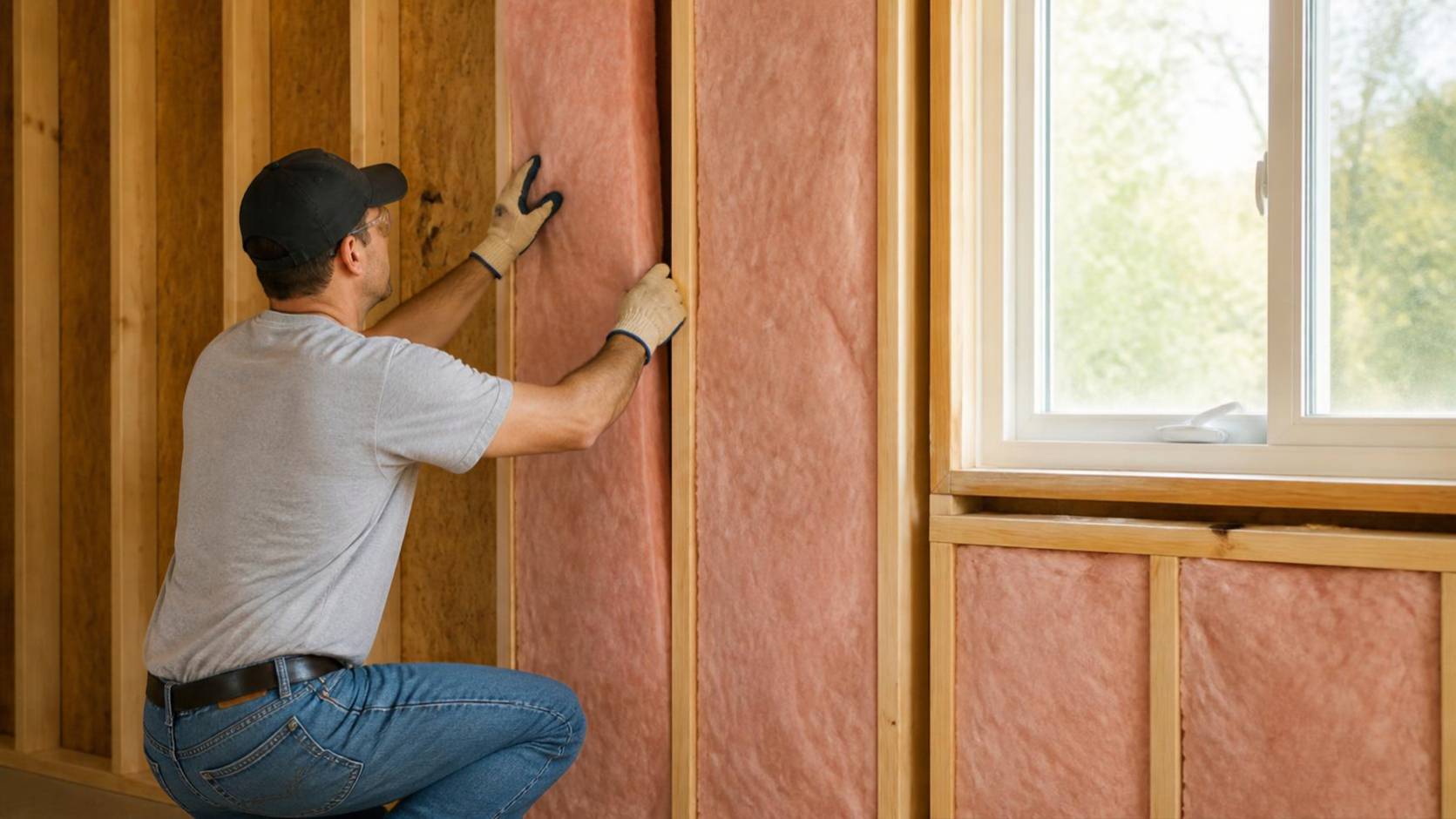
What Are the Most Common Signs of Poor Home Insulation?
One of the clearest signs of poor insulation is uneven temperatures throughout the house. You may notice that one bedroom stays cold while another is comfortable, or that an upstairs room becomes much warmer than the first floor during the summer. If your heating or cooling system runs regularly but certain rooms remain uncomfortable, insulation and air leakage could be part of the problem.
Another warning sign is higher-than-expected energy bills. Poor insulation allows conditioned air to escape and outdoor temperatures to affect the interior more easily, causing heating and cooling systems to work harder. Drafts around windows, doors, walls, floors, and ceilings can also indicate that air is moving through areas that should be better sealed.
You may also notice that interior walls, floors, or ceilings feel unusually cold during winter or hot during summer. These temperature differences can point to areas where insulation is missing, compressed, damaged, or insufficient.
How Can You Tell If Your Attic or Walls Need More Insulation?
The attic is one of the first places to check when a home has insulation problems. Because heat rises, inadequate attic insulation can contribute to heat loss during winter and allow excessive heat into the living space during summer. If you can safely inspect the attic, look for insulation that appears thin, uneven, compressed, or damaged.
Wall insulation is harder to evaluate without professional equipment because most of it is hidden behind finished surfaces. Cold exterior walls or rooms that are consistently uncomfortable may provide clues, but they cannot confirm exactly what is happening inside the walls.
A professional energy assessment can provide a better understanding of where heat is being lost. Depending on the home, the evaluation may identify problems with attic insulation, exterior walls, basements, crawlspaces, windows, doors, or air leakage.
Why Is Poor Insulation Especially Noticeable in Older New England Homes?
Older homes throughout Rhode Island, Massachusetts, and Connecticut can have insulation challenges because construction methods and energy standards have changed over the years. Some older properties may have limited insulation, insulation that has settled, or areas that were difficult to insulate when the house was originally built.
New England's changing weather can make these problems more noticeable. Cold winters, warm summers, and significant temperature swings can place additional demands on a home's heating and cooling systems. A poorly insulated house may struggle to maintain a consistent indoor temperature throughout the year.
Insulation should also be considered together with air sealing. A home can have insulation but still lose significant amounts of conditioned air through gaps around plumbing, electrical openings, ductwork, windows, doors, and other parts of the building envelope.
Can Poor Insulation Cause Other Home Problems?
Poor insulation can contribute to ice dams, moisture problems, and increased heating or cooling demand. During a cold Rhode Island winter, heat escaping through an inadequately insulated attic can warm parts of the roof, causing snow to melt and potentially refreeze near colder roof edges.
Moisture can also become a concern when warm indoor air reaches cold surfaces. Condensation may develop under certain conditions, potentially contributing to damage or mold-related problems. Insulation is only one possible cause, however, so persistent moisture should be professionally investigated.
Poor insulation can also make HVAC equipment work harder to maintain comfortable temperatures. If you are buying an older home, visible insulation concerns and unusually high energy use are worth discussing during the inspection process.
What Should You Do If Your Home Has Poor Insulation?
If you notice several signs of poor insulation, identify the source of the problem before deciding what to replace. An energy assessment or qualified insulation professional can help determine whether the biggest issue is inadequate insulation, air leakage, moisture, or a combination of factors.
Common areas to evaluate include the attic, exterior walls, basement or crawlspace, floors above unconditioned areas, windows, and doors. The right solution depends on the home's construction, existing insulation, ventilation, moisture conditions, and the specific areas that are underperforming.
If you're preparing to buy or sell a home in Rhode Island, insulation can be part of the property's overall condition and operating-cost considerations. Buyers should pay attention to heating and cooling performance and visible insulation, while sellers may want to address obvious problems before listing when the improvement makes financial and practical sense.
Frequently Asked Questions
How do I know if my house has enough insulation?
There is no single visual sign that confirms a home has enough insulation. The appropriate amount depends on the home's construction, location, insulation type, and the area being evaluated. A professional energy assessment can provide a more accurate evaluation.
Does poor insulation increase heating bills?
Yes, inadequate insulation can contribute to higher heating costs because more heat can escape through the building envelope. However, heating bills are also affected by the heating system, weather, fuel prices, thermostat settings, and home size.
Can poor insulation make some rooms colder than others?
Yes. Uneven insulation, air leakage, differences in exterior exposure, ductwork issues, and other building conditions can cause some rooms to be significantly warmer or colder than others.
Should I add insulation before selling my Rhode Island home?
Not necessarily. The decision depends on the home's condition, the cost of the improvement, and the potential benefit. A professional assessment can help determine whether insulation improvements make sense before listing.
Is insulation important when buying an older home in Rhode Island?
Yes. Insulation can affect comfort, energy use, and overall home performance. Buyers should consider the attic, basement or crawlspace, visible insulation, heating system, windows, and potential air leaks when evaluating an older property.
If you're buying or selling a home in Rhode Island and want to understand how insulation, heating, repairs, or other property conditions could affect the transaction, Alex Parmenidez can help you evaluate the property in the context of the local market and your real estate goals.
Thinking about buying?
Let's talk through your numbers first.
A 30-minute call covers what you can afford comfortably, what taxes and insurance really cost in the town you're looking at, and which loan programs fit you. You work directly with Alex from the first call to closing.
Schedule a buyer callEnglish or Spanish · Call or text 401-426-4857 · Contact form
196 Waterman St, Providence, RI 02906 · C: (401) 426-4857 · O: (401) 351-2017 · [email protected] · alexparmenidez.realtor
Check out this article next

¿Cuáles Son las Señales de un Aislamiento Deficiente en una Vivienda?
Un aislamiento deficiente puede manifestarse en habitaciones difíciles de calentar o enfriar, facturas de energía inusualmente altas
Read Article