
What Is an Earnest Money Deposit? A Guide for Buyers and Sellers
TL;DR
An earnest money deposit (EMD) is a good-faith payment submitted after a seller accepts an offer. It shows serious intent to purchase and is held in escrow until closing. Depending on the contract and contingencies, the deposit may be refunded, credited toward the purchase, or forfeited.
1. What Earnest Money Really Means
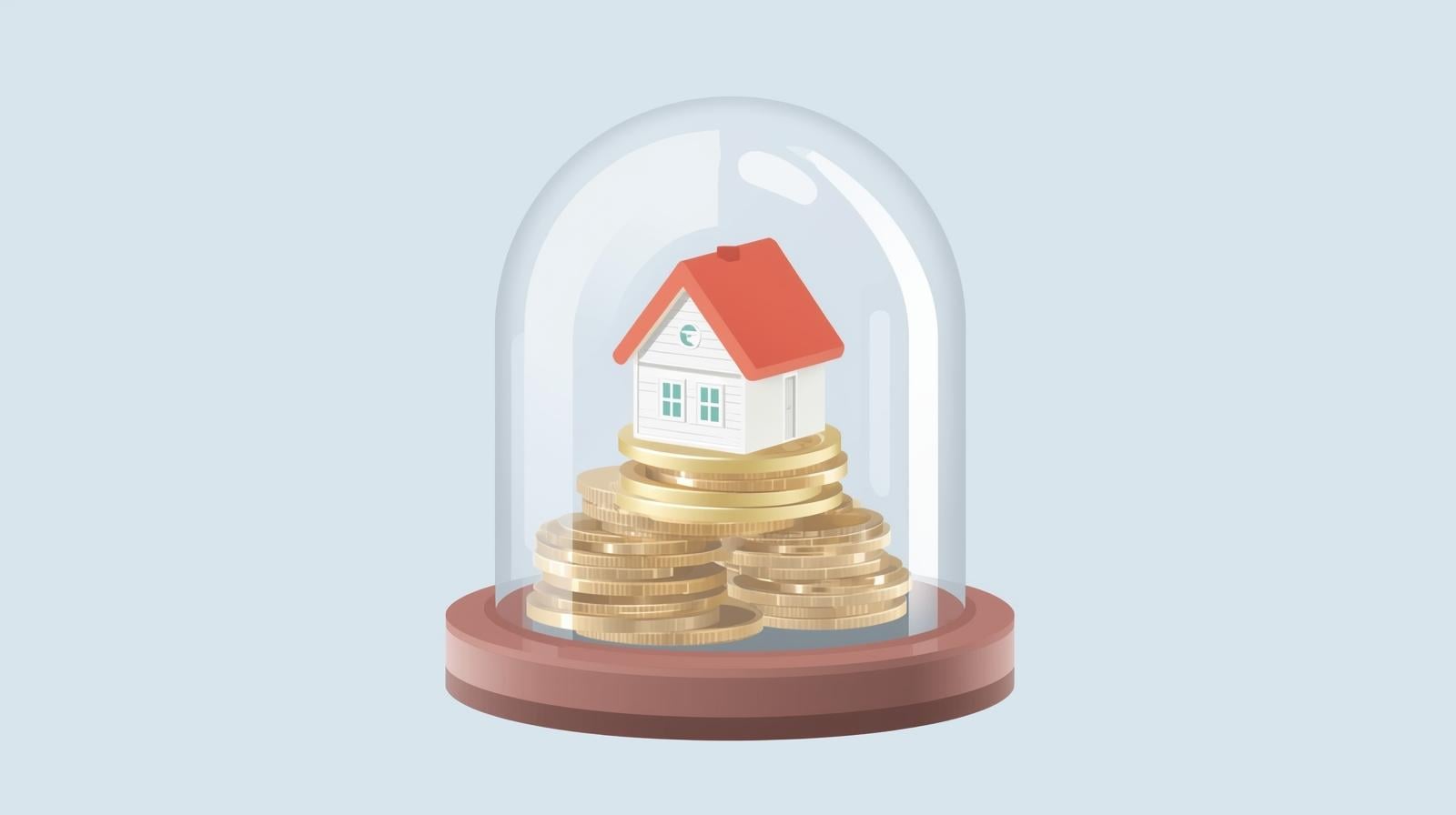
An earnest money deposit is one of the first financial commitments a buyer makes after going under contract. It demonstrates that the buyer is serious, financially prepared, and ready to move forward with the transaction. In many ways, it functions like a security deposit during the contract period, giving the seller confidence that the buyer will follow through.
This deposit is not random or symbolic. It plays a structured role within the purchase agreement and becomes part of the overall financial framework of the deal. For sellers, it reduces uncertainty. For buyers, it strengthens credibility in competitive markets.
2. How Much Is Typical?
Earnest money deposits typically range from 1% to 3% of the purchase price, though this can vary depending on the local market and competition. In multiple-offer situations, buyers may offer a larger deposit to make their offer more attractive and stand out from others.
The exact amount is fully negotiable and written directly into the contract. While offering more can strengthen a proposal, buyers should ensure they are comfortable with the amount and understand the terms that protect it.
3. Where the Money Goes and When It’s Paid
After the offer is accepted, the buyer usually has a short deadline—often a few days—to submit the earnest money. The contract clearly outlines the amount, delivery deadline, and who will hold the funds.
The deposit is placed into an escrow account managed by a neutral third party such as a title company, real estate brokerage, or attorney. The money is not given directly to the seller while the transaction is pending. Missing the submission deadline can jeopardize the contract, which is why attention to detail is critical at this stage.
4. When Is the Deposit Refundable?
Whether earnest money is refundable depends entirely on the contract and its contingencies. Contingencies are protections written into the agreement that allow buyers to cancel under specific circumstances.
Common buyer protections include a financing contingency (if a loan is denied), an inspection contingency (if serious issues are discovered), and an appraisal contingency (if the property appraises below the contract price). If a buyer cancels within the agreed timeframe and follows the contract terms, the earnest money is typically returned.
However, if a buyer misses deadlines, violates contract terms, or walks away without a valid contractual reason, the seller may be entitled to keep the deposit as compensation for lost time and opportunity.
5. How Earnest Money Is Applied at Closing
If the transaction proceeds successfully, the earnest money is not an extra fee. Instead, it is credited toward the buyer’s total funds needed to close. This usually means it is applied to the down payment or closing costs.
Understanding this helps buyers realize that the deposit is part of their overall investment in the purchase, not an additional expense layered on top.
6. Why It Matters for Both Sides
For sellers, earnest money helps filter out non-serious buyers and provides financial protection if a buyer defaults. A strong deposit can make an offer more appealing, especially in competitive markets where sellers seek stability and certainty.
For buyers, submitting earnest money strengthens negotiating power and demonstrates readiness. However, buyers must clearly understand contract timelines and contingency protections to safeguard their deposit. Careful review of the agreement is essential before signing.
Frequently Asked Questions
Q: Is earnest money the same as a down payment?
A: No. Earnest money is a good-faith deposit submitted after an offer is accepted. It is later credited toward the down payment or closing costs at closing.
Q: Can a buyer lose their earnest money?
A: Yes. If a buyer cancels outside of agreed contingencies or violates the contract terms, the seller may be entitled to keep the deposit.
Q: Who holds the earnest money?
A: A neutral third party such as a title company, real estate brokerage, or attorney typically holds the funds in escrow.
Q: How long does it take to get the deposit refunded if a deal falls through?
A: Timelines vary depending on state law and contract terms, but generally both parties must sign a release before the funds are returned.
Q: Can the earnest money amount be negotiated?
A: Yes. The deposit amount is fully negotiable and can be structured strategically to strengthen an offer.
By Alex Parmenidez, Broker Associate | Coldwell Banker Realty
Alex Parmenidez | Broker Associate Licensed in RI, CT, & MA | Coldwell Banker Realty
196 Waterman St, Providence, RI 02906
C: (401) 426-4825 | O: (401) 351-2017
Check out this article next

Why Buyer Representation Matters
Buyer representation means working with a real estate professional who is legally and ethically committed to representing your best interests as a buyer.
Read Article