
What Should Buyers Look For at an Open House?
TL;DR
An open house is more than a casual walkthrough; it’s your opportunity to evaluate the home’s condition, layout, neighborhood, and long-term value before making an offer. Buyers should pay close attention to signs of deferred maintenance, storage, layout functionality, major systems, and ask the right questions about the roof, utilities, age of systems, and seller disclosures.
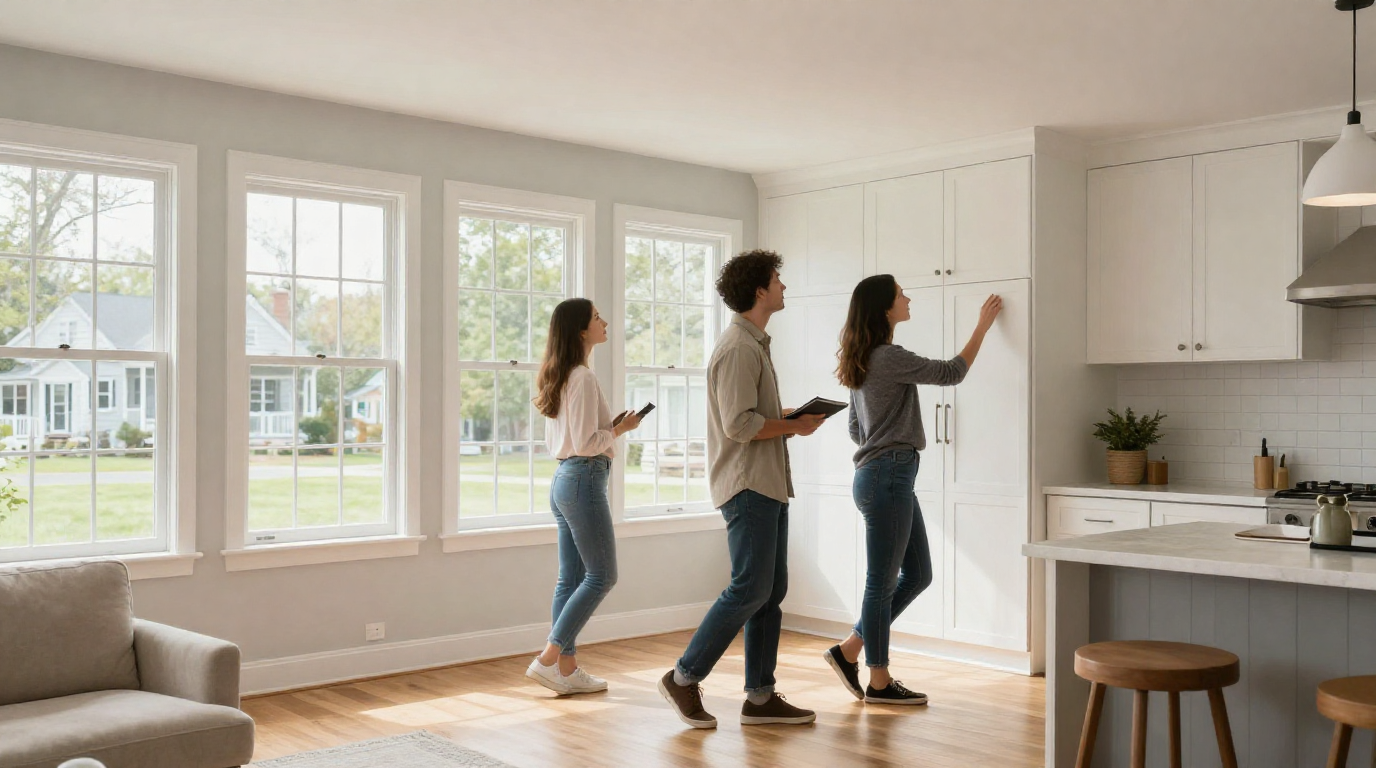
Look Beyond the Staging and First Impressions
Open houses are designed to showcase a property in its best light. Fresh paint, staged furniture, lighting, and décor can make a home feel inviting, but buyers need to look deeper than cosmetics.
Instead of focusing only on finishes, pay attention to the structure and condition of the home itself. Look for uneven floors, cracks in walls or ceilings, water stains, strong odors, or windows that don’t open properly. These details can indicate larger issues hiding beneath the surface.
In older homes throughout Providence, Pawtucket, or Cranston, it’s especially important to pay attention to signs of aging systems, moisture, or deferred maintenance.
Remember: countertops and paint are easy to change. Structural issues and major repairs are not.
Pay Attention to Layout and Daily Functionality
One of the biggest mistakes buyers make is focusing only on appearance without thinking about how the home actually functions day-to-day.
Ask yourself:
- Does the layout fit your lifestyle?
- Is there enough storage?
- Does the kitchen flow well?
- Are the bedrooms appropriately sized?
- Is there enough natural light?
- Would working from home here feel comfortable?
A home can look beautiful online but feel impractical in person. Open houses give you the chance to physically experience the flow of the property, something photos rarely capture accurately.
If the home has a finished basement, attic conversion, or additions, ask whether the work was permitted and whether it is included in the official square footage.
Check the Major Systems and Age of Key Components
You don’t need to be an inspector during an open house, but you should absolutely gather basic information about the home’s systems.
Some of the most important questions buyers should ask include:
- How old is the roof?
- How old is the heating system?
- Is the electrical updated?
- What type of plumbing does the home have?
- Is there central air?
- How old are the windows?
- Are there any known issues or recent repairs?
In New England markets like Rhode Island, heating systems and insulation matter significantly because utility costs can become a major monthly expense.
If the property has solar panels, ask immediately whether they are owned or leased. A leased system can affect financing and closing timelines.
Observe the Neighborhood While You’re There
An open house is not just about the home — it’s also your opportunity to evaluate the surrounding area.
Take a few extra minutes to observe:
- Parking availability
- Traffic levels
- Noise
- Nearby businesses
- Sidewalks and walkability
- General property maintenance in the neighborhood
Try visiting the area at different times of day if possible. A quiet street on a Sunday afternoon may feel very different during weekday rush hour.
Location impacts both lifestyle and resale value, so buyers should evaluate the neighborhood just as carefully as the house itself.
Ask Questions About the Seller’s Situation and Timeline
Understanding the seller’s situation can help buyers position themselves more strategically if they decide to make an offer.
Good questions include:
- How long has the property been on the market?
- Are there multiple offers?
- Does the seller need a quick closing?
- Has the price been reduced?
- Why is the seller moving?
These questions can reveal negotiation opportunities or help you understand how competitive the situation may become.
An experienced buyer’s agent can often gather additional context that isn’t obvious during the open house itself.
Don’t Skip the Inspection Just Because the Home Looks Nice
One of the biggest misconceptions buyers have is assuming a clean or renovated home automatically means there are no issues.
Even beautifully updated homes can have hidden concerns involving plumbing, electrical, roofing, drainage, or structural components.
An open house should help you decide whether the home is worth pursuing — not replace your due diligence process.
If you move forward with an offer, a professional home inspection remains one of the most important protections available to buyers.
Frequently Asked Questions
Q: What should I look for first during an open house?
A: Start with the home’s overall condition and layout. Focus on signs of water damage, structural concerns, storage space, and how the property functions for your lifestyle rather than just cosmetic finishes.
Q: What questions should I ask at an open house?
A: Ask about the age of the roof, heating system, utilities, recent repairs, property taxes, seller disclosures, and whether there are multiple offers on the property.
Q: Can I bring my own real estate agent to an open house?
A:Yes. Buyers are absolutely allowed to attend open houses with their own agent, and doing so can help you receive better guidance and representation throughout the process.
Q: Should I attend multiple open houses before buying?
A: Yes. Touring multiple homes helps buyers compare layouts, pricing, neighborhoods, and property conditions more effectively before making a decision.
Q: Is an open house enough to evaluate a property?
A: No. An open house is only the first step. Buyers should still complete inspections, review disclosures, analyze comparable sales, and evaluate financing before purchasing.
Check out this article next
¿Preaprobado Pero Aún No Encuentras la Casa Correcta?
Obtener una preaprobación hipotecaria es un gran paso hacia la compra de una vivienda, pero muchos compradores todavía tienen dificultades para encontrar la propiedad adecuada…
Read ArticleThinking about buying?
Let's talk through your numbers first.
A 30-minute call covers what you can afford comfortably, what taxes and insurance really cost in the town you're looking at, and which loan programs fit you. You work directly with Alex from the first call to closing.
Schedule a buyer callEnglish or Spanish · Call or text 401-426-4857 · Contact form
196 Waterman St, Providence, RI 02906 · C: (401) 426-4857 · O: (401) 351-2017 · [email protected] · alexparmenidez.realtor