
Is Waiting for Lower Interest Rates a Good Strategy?
TL;DR
Many buyers are waiting for mortgage interest rates to fall before purchasing a home, but waiting isn't always the best financial decision. While lower rates can improve affordability, they can also increase buyer competition and home prices. The best time to buy often depends more on your financial readiness than on trying to predict where interest rates will go next.
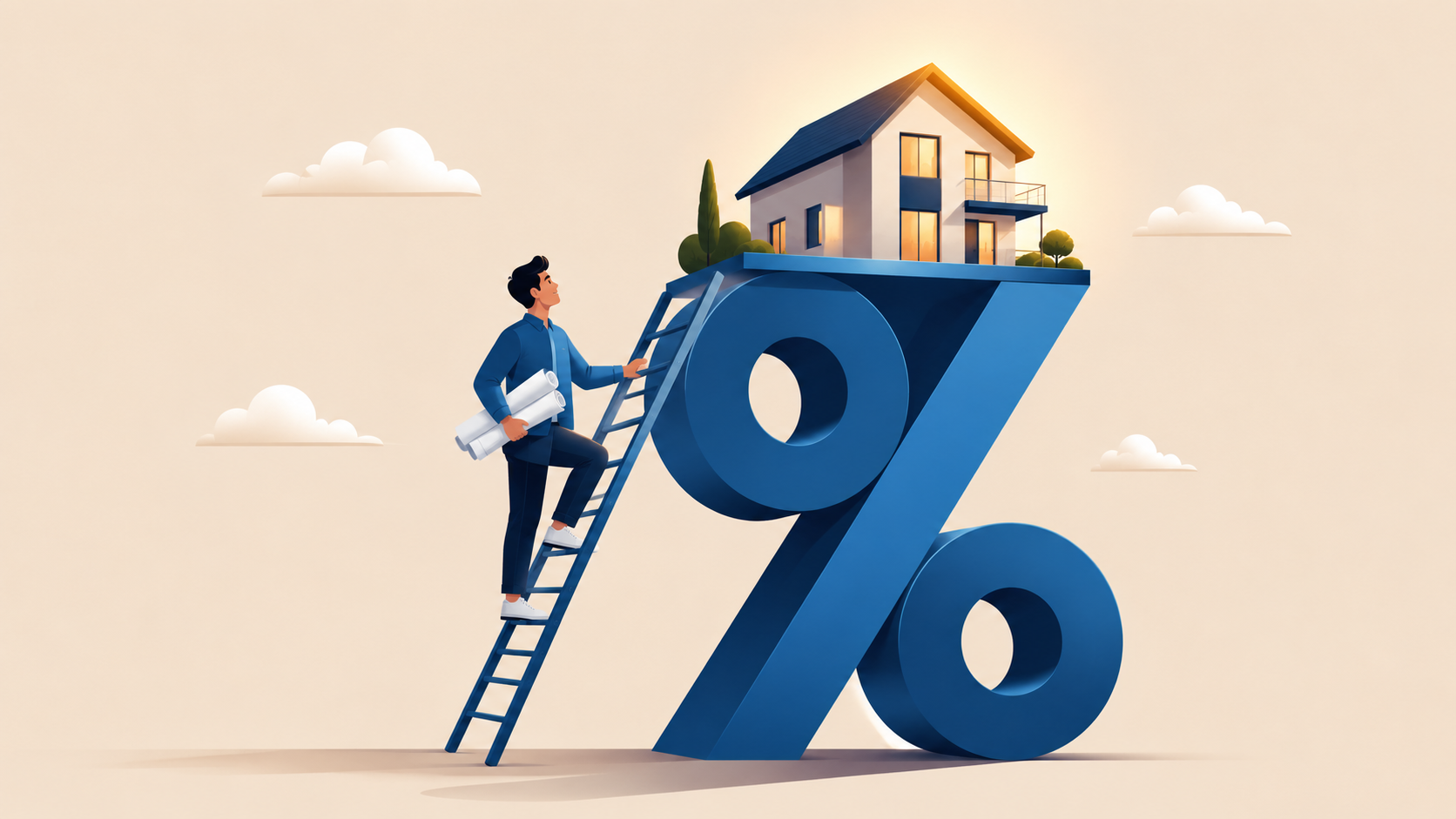
Why So Many Buyers Are Waiting
Mortgage interest rates have been one of the biggest topics in real estate over the past few years. After historically low rates during the pandemic, borrowing costs increased significantly, causing many buyers to pause their home search.
It's understandable why people hope rates will decline. Even a small change in interest rates can affect a monthly mortgage payment and the total amount of interest paid over the life of a loan.
Because of this, many prospective buyers continue asking the same question: Should I wait until rates come down?
The answer depends on much more than the current interest rate. Your personal finances, local housing market, and long-term plans all play an important role in determining whether waiting makes sense.
Lower Rates Could Bring More Competition
One of the biggest misconceptions is that lower mortgage rates automatically make buying easier.
While lower rates reduce monthly payments, they also tend to encourage more buyers to enter the market. Increased demand can lead to multiple offers, faster sales, and higher home prices, especially in markets with limited inventory like Rhode Island, Massachusetts, and Connecticut.
If rates were to decline significantly, buyers who have been waiting on the sidelines may begin shopping at the same time. That surge in demand could offset some of the savings created by lower financing costs.
For example, buying a home at today's price with a slightly higher rate may sometimes be more affordable than paying a higher purchase price after competition increases.
Home Prices May Continue to Rise
Another factor buyers should consider is home appreciation.
In many New England communities, housing inventory remains relatively low. When supply cannot keep up with demand, home prices often continue rising, even if the market slows.
Waiting a year for lower interest rates could mean paying more for the same property if values continue appreciating. Even if financing becomes less expensive, a higher purchase price may reduce or eliminate the benefit of a lower rate.
Every market is different, but history has shown that trying to perfectly time both home prices and mortgage rates is extremely difficult.
Rather than focusing on predicting market movements, buyers are often better served by evaluating whether purchasing today aligns with their personal financial goals.
Remember: You Can Refinance Later
One advantage many buyers overlook is that mortgage interest rates are not necessarily permanent.
If rates decline after you purchase your home, refinancing may allow you to replace your existing mortgage with a new loan at a lower interest rate, provided you qualify and refinancing makes financial sense.
This means some buyers choose to purchase the home they want today instead of waiting indefinitely for lower rates that may or may not arrive.
Of course, refinancing involves costs and isn't guaranteed, but it remains an option that can provide flexibility if market conditions improve in the future.
Buying the right home today and refinancing later is often a strategy worth discussing with your lender.
Focus on What You Can Control
No one can accurately predict where mortgage rates will be six months or a year from now. They are influenced by inflation, employment data, Federal Reserve policy, bond markets, and broader economic conditions.
What buyers can control is their own financial preparation.
Improving your credit score, reducing debt, increasing your savings, obtaining mortgage pre-approval, and understanding your budget can all have a meaningful impact on your buying power regardless of where rates move.
Working with an experienced lender and local real estate professional can also help you explore financing options, first-time buyer programs, temporary rate buydowns, or seller concessions that may improve affordability today.
Instead of waiting for the "perfect" market, many successful buyers focus on becoming the strongest buyer possible.
The Best Time to Buy Is When You're Ready
There is no universal answer to whether you should wait for lower interest rates. For some buyers, delaying a purchase may make sense. For others, waiting could mean facing higher home prices, increased competition, or missing opportunities that fit their needs.
The right decision depends on your financial stability, long-term goals, and the local housing market where you're planning to buy.
If you're financially prepared and find a home that meets your needs, today's market may offer opportunities that won't exist later. And if rates eventually decline, refinancing could become an option to reduce your monthly payment.
Rather than trying to predict the market, focus on making the decision that best supports your future.
Frequently Asked Questions
Should I wait for mortgage interest rates to go down before buying?
Not necessarily. While lower rates can reduce monthly payments, they may also increase buyer competition and home prices. Your financial readiness is often more important than trying to time the market.
Will home prices drop if interest rates stay high?
Not always. Home prices are influenced by supply and demand. In markets with limited inventory, prices may remain stable or continue rising even if mortgage rates stay elevated.
Can I refinance if mortgage rates fall later?
Yes. Many homeowners refinance when interest rates decline to lower their monthly payments or reduce the total interest paid over the life of the loan. Eligibility and closing costs should be discussed with your lender.
How do higher mortgage rates affect affordability?
Higher rates generally increase monthly mortgage payments, which may reduce the amount buyers can comfortably afford to borrow. However, financing options and down payment assistance programs may help improve affordability.
What should buyers focus on instead of trying to time the market?
Buyers should focus on improving their credit, saving for a down payment, getting pre-approved, understanding their budget, and working with experienced professionals who can help them navigate current market conditions.
Check out this article next
¿El Paisajismo Realmente Aumenta el Valor de una Casa?
El paisajismo puede aumentar el valor de una vivienda, pero no todas las mejoras generan el mismo retorno.
Read ArticleThinking about buying?
Let's talk through your numbers first.
A 30-minute call covers what you can afford comfortably, what taxes and insurance really cost in the town you're looking at, and which loan programs fit you. You work directly with Alex from the first call to closing.
Schedule a buyer callEnglish or Spanish · Call or text 401-426-4857 · Contact form
196 Waterman St, Providence, RI 02906 · C: (401) 426-4857 · O: (401) 351-2017 · [email protected] · alexparmenidez.realtor