
Should You Buy a Fixer-Upper or a Move-In Ready Home?
TL;DR
Choosing between a fixer-upper and a move-in ready home depends on your budget, timeline, and long-term goals. While fixer-uppers may offer lower purchase prices and the opportunity to build equity through renovations, move-in ready homes provide convenience, fewer immediate repairs, and greater peace of mind. Understanding the advantages and trade-offs of each option can help buyers make a confident decision.
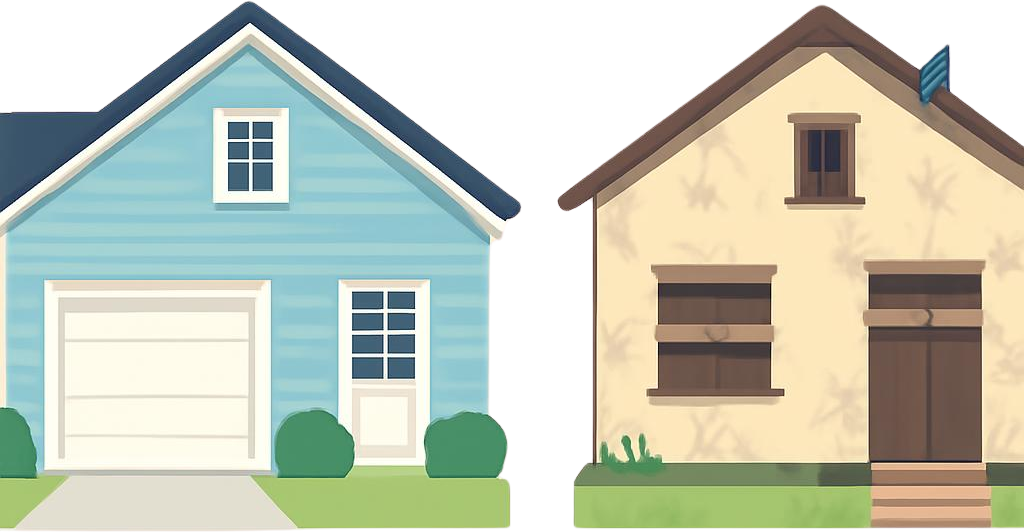
Understanding the Difference Between a Fixer-Upper and a Move-In Ready Home
One of the first decisions many homebuyers face is whether to purchase a home that needs work or one that's ready to move into from day one. Both options can be excellent investments, but the right choice depends on your financial situation, lifestyle, and willingness to take on home improvement projects.
A fixer-upper typically requires repairs, cosmetic updates, or major renovations before it reaches its full potential. These homes may need a new kitchen, updated bathrooms, flooring, roofing, or improvements to mechanical systems. In some cases, they simply need fresh paint and modern finishes, while others require more extensive work.
A move-in ready home, on the other hand, is generally considered ready for immediate occupancy with little or no work required. Major systems are often in good condition, and the home has already been updated or well maintained, allowing buyers to settle in without planning significant renovations.
Before deciding which path to take, buyers should carefully evaluate not only the purchase price but also the total cost of ownership over time.
The Benefits of Buying a Fixer-Upper
For many buyers, a fixer-upper represents an opportunity to purchase a home at a lower price while creating additional value through improvements.
Because these properties often need work, they may attract fewer competing buyers, creating more opportunities to negotiate the purchase price. Buyers who are comfortable with renovations can customize the home to match their style and priorities instead of paying for someone else's design choices.
Another advantage is the potential to build equity. Strategic improvements such as renovating kitchens and bathrooms, replacing outdated flooring, improving curb appeal, or upgrading major systems may increase the home's value over time.
In markets throughout Rhode Island, Massachusetts, and Connecticut, many older homes offer excellent renovation potential while preserving classic New England architecture and character.
However, buyers should understand that renovation projects often take longer and cost more than initially expected. A thorough home inspection and realistic renovation budget are essential before moving forward.
Why Many Buyers Prefer Move-In Ready Homes
Move-in ready homes continue to be extremely popular because they offer convenience and predictability. Buyers can move in immediately without worrying about contractors, construction delays, or unexpected repair costs.
For first-time buyers especially, purchasing a home that requires minimal work can reduce stress during an already complicated process. Instead of budgeting for renovations, buyers can focus on furnishing their new home, settling into the neighborhood, and adjusting to homeownership.
Many move-in ready properties also feature updated kitchens, renovated bathrooms, newer roofing, modern heating systems, energy-efficient windows, and recently replaced appliances. These improvements may reduce maintenance costs during the first several years of ownership.
While move-in ready homes often carry higher purchase prices, many buyers feel the convenience and peace of mind justify the additional investment.
Consider the True Cost Beyond the Purchase Price
It's easy to compare listing prices, but buyers should also evaluate the total financial picture before deciding between these two options.
A fixer-upper may appear less expensive initially, but renovation costs can quickly add up. Labor, materials, permits, inspections, and temporary housing during major projects should all be considered when calculating the true investment.
Conversely, a move-in ready home may cost more upfront but could save thousands of dollars by reducing immediate maintenance and repair expenses.
Buyers should also consider financing. Some renovation projects may require specialized loan programs, while lenders may have additional requirements if a home's condition raises concerns during the appraisal process.
Working closely with both a lender and a real estate professional can help buyers understand how renovation costs affect affordability and financing options.
Which Option Is Right for Your Lifestyle?
Choosing between a fixer-upper and a move-in ready home is not simply a financial decision—it is also a lifestyle decision.
If you enjoy home improvement projects, have flexibility in your timeline, and are comfortable managing renovations, a fixer-upper may provide excellent long-term value and the satisfaction of creating a home that reflects your personal vision.
On the other hand, if you need to move quickly, have limited time for renovations, or prefer predictable costs, a move-in ready property may better fit your needs.
It's also important to think about your future plans. Buyers who intend to stay in a home for many years may have more time to complete improvements gradually, while those planning to relocate within a shorter period may prioritize convenience and immediate livability.
Every buyer's priorities are different, and there is no one-size-fits-all answer.
Work with Professionals Before Making Your Decision
Whether you're considering a fully renovated home or a property that needs significant updates, having the right professionals on your side can make a tremendous difference.
An experienced real estate agent can help identify properties that fit your goals, estimate resale potential, and explain local market conditions. A qualified home inspector can identify hidden issues that may not be visible during a showing, while trusted contractors can provide realistic estimates before you commit to major renovation projects.
Taking the time to evaluate both your financial readiness and your long-term plans will help ensure you choose the home that best supports your goals—not just today, but for years to come.
If you're planning to buy a home in Rhode Island, Connecticut, or Massachusetts, understanding the pros and cons of both fixer-uppers and move-in ready homes can help you make a smarter investment and purchase with confidence.
Frequently Asked Questions
Q: Is buying a fixer-upper cheaper than buying a move-in ready home?
A: Often, yes. Fixer-uppers usually have lower purchase prices, but buyers should also budget for renovation costs, permits, labor, and unexpected repairs.
Q: Are move-in ready homes worth the higher price?
A: For many buyers, yes. Move-in ready homes offer convenience, fewer immediate repairs, and the ability to settle in without major renovation projects.
Q: Can I finance renovations when buying a fixer-upper?
A: Yes. Certain loan programs, including renovation loans, may allow qualified buyers to finance both the purchase and improvement costs, depending on eligibility.
Q: What should I inspect carefully when buying a fixer-upper?
A: Buyers should pay close attention to the roof, foundation, plumbing, electrical system, heating and cooling equipment, windows, and any signs of water damage or structural issues.
Q: Which option is better for first-time buyers?
A: It depends on your budget, available time, and comfort with renovations. Some first-time buyers prefer the simplicity of a move-in ready home, while others choose a fixer-upper to build equity and personalize the property over time.
Check out this article next
¿Conviene Comprar una Casa para Remodelar o una Lista para Habitar?
Elegir entre una casa para remodelar y una lista para habitar depende de tu presupuesto, tus tiempos y tus objetivos a largo plazo.
Read ArticleThinking about buying?
Let's talk through your numbers first.
A 30-minute call covers what you can afford comfortably, what taxes and insurance really cost in the town you're looking at, and which loan programs fit you. You work directly with Alex from the first call to closing.
Schedule a buyer callEnglish or Spanish · Call or text 401-426-4857 · Contact form
196 Waterman St, Providence, RI 02906 · C: (401) 426-4857 · O: (401) 351-2017 · [email protected] · alexparmenidez.realtor