
Cash Flow vs. Appreciation: Which Matters More?
TL;DR
Cash flow and appreciation are two of the biggest ways real estate investors build wealth, but they serve different goals. Cash flow provides monthly income, while appreciation builds long-term equity. Understanding how each works can help investors choose properties that align with their financial objectives in Rhode Island, Massachusetts, and Connecticut.
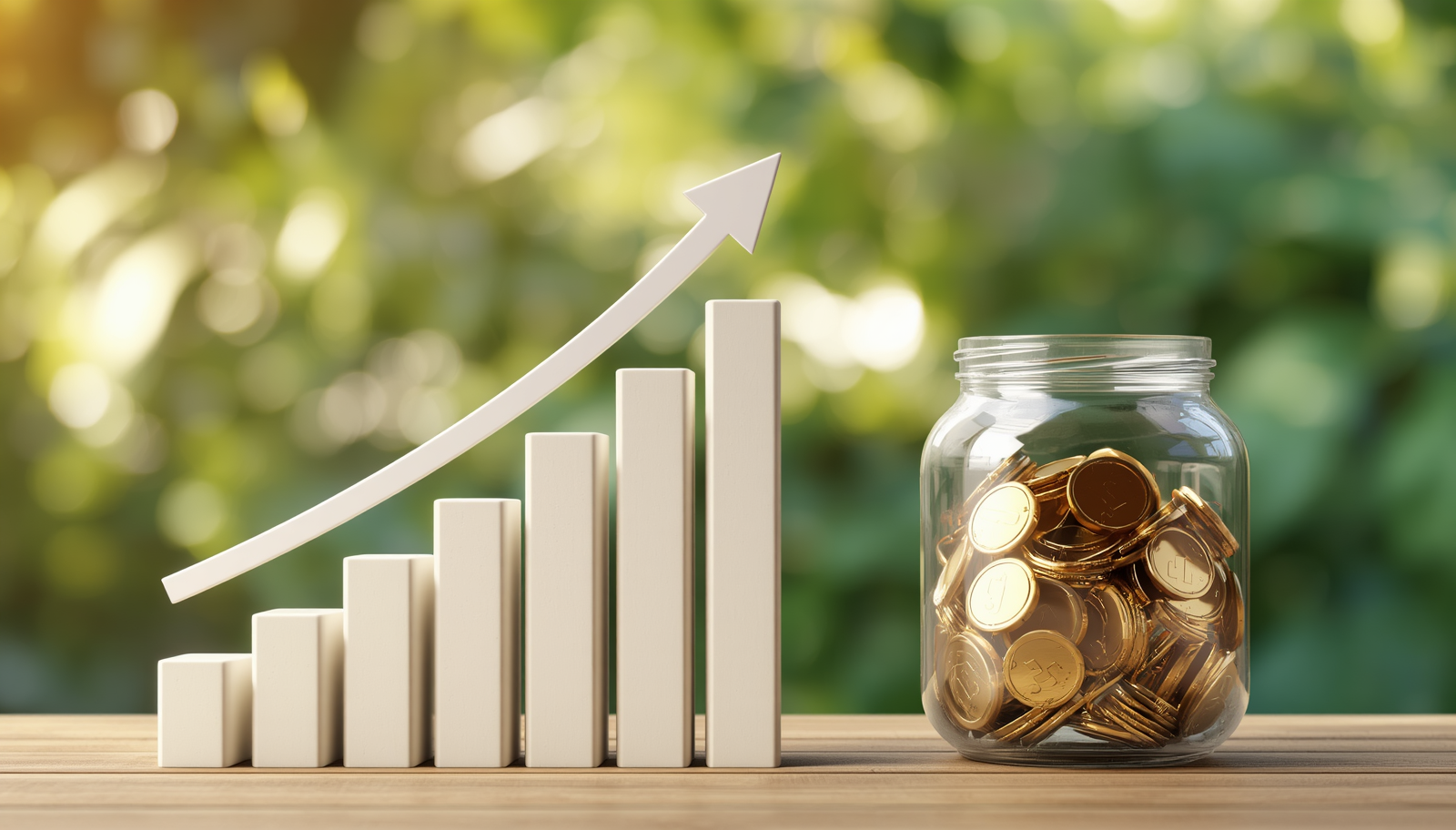
Understanding Cash Flow and Appreciation
When evaluating an investment property, many new investors ask the same question: Should I focus on earning money every month or on the property's future value?
The answer depends on your investment strategy.
Cash flow is the money left over each month after collecting rent and paying expenses such as the mortgage, taxes, insurance, maintenance, and property management. Positive cash flow means the property is generating income today.
Appreciation, on the other hand, is the increase in a property's market value over time. While appreciation doesn't provide immediate income, it can significantly increase your equity and long-term wealth.
The strongest investment portfolios often benefit from both, but understanding the balance between them is essential before making a purchase.
Why Many Investors Prioritize Cash Flow
For investors looking to create reliable monthly income, cash flow is often the top priority.
A property with positive cash flow can help cover unexpected repairs, reduce financial stress, and generate consistent income regardless of short-term market fluctuations. This steady income may also help investors qualify for additional financing as they continue growing their real estate portfolio.
When analyzing cash flow, investors should carefully estimate:
- Monthly rental income
- Mortgage payments
- Property taxes
- Homeowners insurance
- Maintenance and repair costs
- Vacancy allowance
- Property management fees
- HOA dues, if applicable
Many first-time investors make the mistake of only comparing the mortgage payment to the expected rent. A complete financial analysis should include every operating expense to determine whether the property will truly produce positive cash flow.
In many Rhode Island communities, well-maintained multi-family properties continue to attract investors because rental demand remains strong and multiple units can provide diversified income streams.
The Long-Term Value of Appreciation
While cash flow provides income today, appreciation creates wealth over time.
As property values increase, homeowners and investors build equity that can later be accessed through refinancing, a future sale, or a tax-deferred exchange into another investment property.
Several factors influence appreciation, including:
- Neighborhood development
- Local job growth
- School quality
- Limited housing inventory
- Infrastructure improvements
- Population growth
- Overall economic conditions
Markets throughout Rhode Island, Massachusetts, and Connecticut have experienced long-term appreciation over the past decade, although values can fluctuate depending on local market conditions.
It's important to remember that appreciation is never guaranteed. Real estate markets move in cycles, and some areas appreciate faster than others. Investors should avoid purchasing a property solely based on the expectation that prices will rise.
Finding the Right Balance for Your Investment Goals
Successful investors rarely focus on only one factor.
Some are building retirement income and prioritize strong monthly cash flow. Others are comfortable accepting lower immediate returns in exchange for properties located in areas with greater long-term appreciation potential.
Your strategy may depend on several factors, including:
- Your investment timeline
- Current income needs
- Risk tolerance
- Available cash reserves
- Financing options
- Local market conditions
For example, a duplex in Rhode Island may produce stronger monthly cash flow than a luxury condominium, while a home in a rapidly developing neighborhood may experience faster appreciation despite generating less rental income initially.
Before making an offer, investors should calculate expected cash flow, research neighborhood trends, review comparable sales, and understand future development plans that could affect property values.
Rather than asking which factor is universally better, experienced investors ask which property best supports their overall financial goals.
Smart Investors Analyze Both Before Buying
The best investment decisions are based on numbers—not assumptions.
Before purchasing any rental property, investors should prepare a detailed financial analysis that includes projected income, operating expenses, financing costs, expected maintenance, vacancy rates, and realistic appreciation expectations.
Working with experienced real estate professionals, lenders, and financial advisors can also help investors identify opportunities that align with both their short-term income goals and long-term wealth-building strategy.
Whether you're purchasing your first rental property or expanding an existing portfolio, understanding the relationship between cash flow and appreciation can help you make more informed investment decisions.
If you're considering buying an investment property in Rhode Island, Massachusetts, or Connecticut, I'd be happy to help you evaluate opportunities, analyze potential returns, and identify properties that fit your investment goals.
Frequently Asked Questions
What is cash flow in real estate investing?
Cash flow is the income remaining after collecting rent and paying all property expenses, including the mortgage, taxes, insurance, maintenance, and other operating costs. Positive cash flow means the property generates monthly profit.
What does appreciation mean in real estate?
Appreciation refers to the increase in a property's market value over time. As a home's value rises, the owner's equity typically increases, creating long-term wealth.
Is cash flow more important than appreciation?
Neither is universally more important. Investors seeking monthly income often prioritize cash flow, while those focused on long-term wealth may place greater emphasis on appreciation. Many successful investors look for properties that offer a combination of both.
Can a property have good appreciation but poor cash flow?
Yes. Some properties located in high-demand markets experience strong appreciation but produce little or even negative monthly cash flow due to higher purchase prices and operating expenses.
How should first-time investors evaluate rental properties?
First-time investors should analyze rental income, operating expenses, financing costs, vacancy rates, maintenance, neighborhood trends, and appreciation potential before purchasing. Reviewing the property's complete financial picture helps reduce risk and supports better investment decisions.
Check out this article next
Flujo de Efectivo vs. Apreciación: ¿Qué es Más Importante?
El flujo de efectivo y la apreciación son dos de las principales formas en que los inversionistas inmobiliarios generan riqueza, pero cada uno cumple un…
Read ArticleLooking at a 2–4 family?
Run the real numbers before you offer.
Actual versus market rents, the FHA self-sufficiency test, taxes, insurance and financing. Alex has closed more than 275 transactions, many of them multifamily in Providence, Pawtucket and Central Falls, and will tell you plainly whether a property works.
Schedule a multifamily callEnglish or Spanish · Call or text 401-426-4857 · Contact form
196 Waterman St, Providence, RI 02906 · C: (401) 426-4857 · O: (401) 351-2017 · [email protected] · alexparmenidez.realtor