
Why Do Some Homes Sell Above Asking Price?
TL;DR
A home selling above asking price doesn't always mean it was underpriced or that the market is out of control. Strong demand, limited inventory, strategic pricing, and desirable property features can all encourage multiple offers that drive the final sale price higher. Understanding why this happens can help both buyers and sellers make smarter decisions.
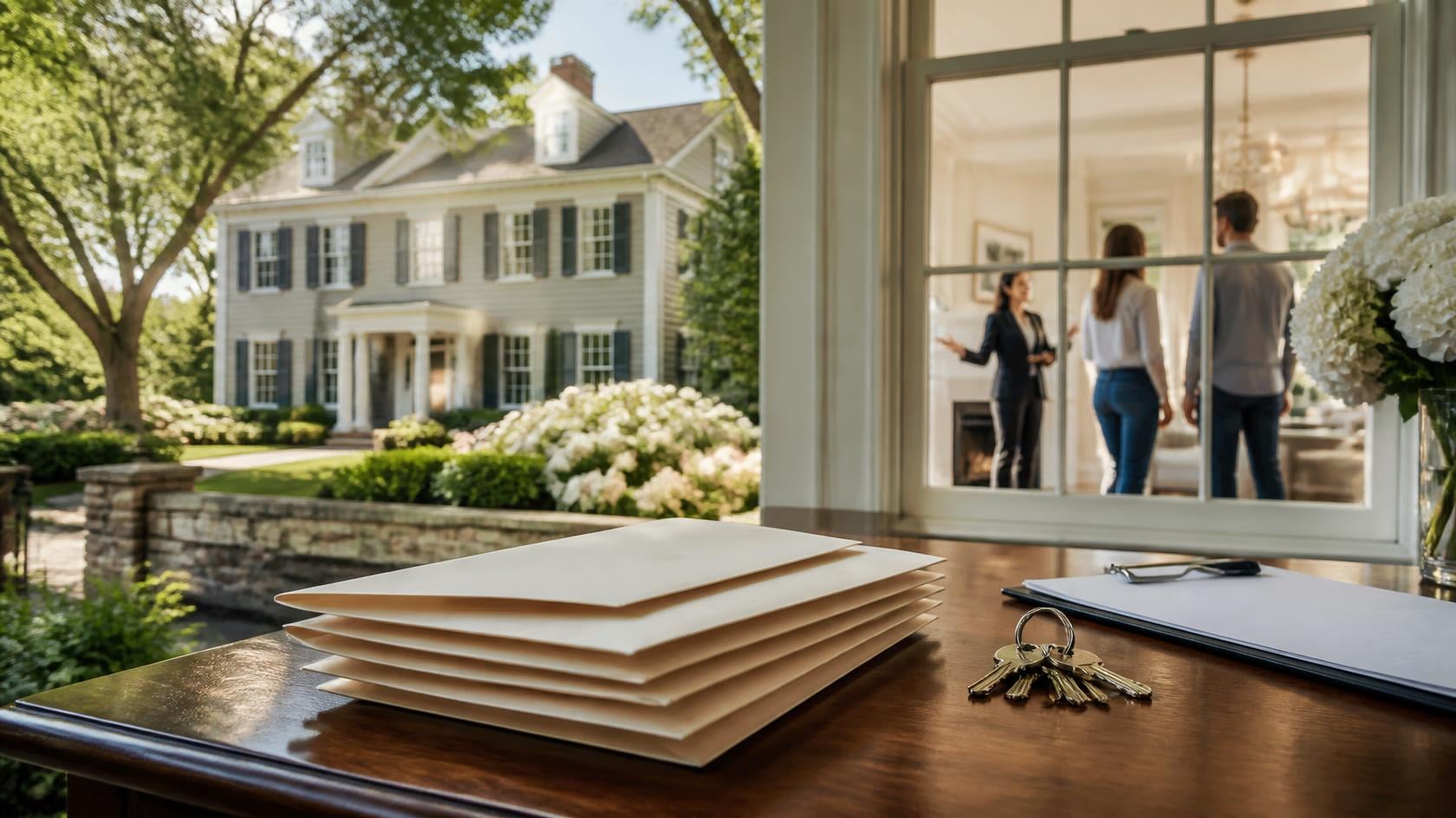
Why Asking Price Isn't Always the Final Sale Price
Many buyers assume the asking price is what a home is worth, but in reality, it's simply the seller's starting price. The market ultimately determines a home's value based on buyer demand and competition.
When several qualified buyers are interested in the same property, offers often exceed the list price as buyers compete to secure the home. This is especially common in markets with limited inventory, where there are more buyers than available homes.
Throughout Rhode Island, Massachusetts, and Connecticut, well-maintained homes in desirable neighborhoods frequently attract significant attention during their first week on the market. When demand outpaces supply, it's not unusual for the highest offer to come in above the asking price.
For sellers, this can maximize their return. For buyers, it highlights the importance of understanding current market conditions before making an offer.
Strategic Pricing Can Generate More Competition
One of the biggest misconceptions is that homes selling above asking price were simply underpriced. While that can happen occasionally, many sellers intentionally price their homes close to market value—or slightly below—to attract as many qualified buyers as possible.
A competitively priced home often receives more online views, more showing requests, and more offers during its first few days on the market. Increased interest can naturally lead to multiple-offer situations where buyers compete against one another.
This strategy is particularly effective for homes that are move-in ready, professionally marketed, and located in desirable communities. Rather than chasing buyers with price reductions later, sellers may create urgency from the beginning.
Pricing a home correctly requires analyzing comparable sales, local inventory levels, and buyer demand. Overpricing can discourage buyers, while strategic pricing often generates stronger interest and better results.
Features That Encourage Multiple Offers
Not every home attracts bidding wars. Properties that sell above asking price often have characteristics that appeal to a wide range of buyers.
Some of the most desirable features include:
- Updated kitchens and bathrooms
- Move-in ready condition
- Modern heating and cooling systems
- Flexible floor plans
- Home offices or bonus rooms
- Energy-efficient improvements
- Attractive curb appeal
- Larger lots or private outdoor space
- Convenient access to schools, shopping, and major highways
Homes that require minimal repairs often generate stronger competition because buyers appreciate the convenience and lower upfront maintenance costs.
In New England markets, recent improvements such as new roofs, updated heating systems, hardwood floors, and finished basements can also increase buyer interest and help justify stronger offers.
Market Conditions Play a Major Role
Whether a home sells above asking price often depends on the balance between supply and demand.
When inventory is low and buyers have limited choices, competition naturally increases. Buyers may decide to offer more than the asking price to strengthen their position, particularly if they have already lost out on previous homes.
Interest rates, employment trends, and local economic conditions also influence buyer behavior. Even during periods of higher mortgage rates, desirable homes that are priced correctly can still receive multiple offers if inventory remains limited.
Local market conditions are far more important than national headlines. A neighborhood in Providence may experience different buyer demand than one in Warwick, Cranston, Smithfield, or East Greenwich. Understanding these hyper-local trends is essential when pricing a home or preparing to make an offer.
What Buyers and Sellers Should Know
For sellers, receiving offers above asking price is exciting, but the highest offer isn't always the best one. Financing strength, inspection contingencies, appraisal risks, closing timelines, and buyer flexibility should all be evaluated before accepting an offer.
For buyers, offering above asking price doesn't necessarily mean overpaying. In a competitive market, paying slightly more for the right home may still be a sound long-term investment if the property aligns with comparable sales and your financial goals.
Working with an experienced real estate professional can help sellers develop an effective pricing strategy and assist buyers in determining when a competitive offer makes sense without exceeding their budget.
Understanding why homes sell above asking price allows both buyers and sellers to approach the market with realistic expectations and greater confidence.
Frequently Asked Questions
Why do some homes sell above asking price?
Homes often sell above asking price when multiple buyers compete for the same property. Limited inventory, desirable features, strategic pricing, and strong buyer demand can all contribute to higher final sale prices.
Does selling above asking price mean a home was underpriced?
Not necessarily. Many sellers intentionally price homes competitively to attract more buyers, creating increased demand that can lead to multiple offers and a higher final sale price.
Should buyers always offer above asking price?
No. The right offer depends on market conditions, comparable sales, the property's condition, and your budget. Some homes sell below asking price, while others require more competitive offers.
Can a home appraise below an offer that's above asking price?
Yes. If the appraisal comes in lower than the purchase price, buyers and sellers may need to renegotiate, increase the down payment, or explore other solutions depending on the financing terms.
How can sellers improve their chances of receiving multiple offers?
Pricing the home correctly, preparing it for showings, making necessary repairs, using professional photography, and marketing the property effectively can all increase buyer interest and improve the likelihood of receiving multiple offers.
Check out this article next
¿Por Qué Algunas Casas se Venden por Encima del Precio de Lista?
Que una vivienda se venda por encima del precio de lista no siempre significa que estaba subvalorada o que el mercado está fuera de control.
Read ArticleThinking about selling?
Know what you'd actually walk away with.
Alex prepares a written net-proceeds estimate from live comparable sales, your payoff, closing costs and taxes, so you can decide on timing with real numbers. A 30-minute call, no obligation to list.
Schedule a net-proceeds callEnglish or Spanish · Call or text 401-426-4857 · Contact form
196 Waterman St, Providence, RI 02906 · C: (401) 426-4857 · O: (401) 351-2017 · [email protected] · alexparmenidez.realtor