
Should You Self-Manage Your Rental Property? Pros & Cons
TL;DR
Managing your own rental property can save money and give you more control, but it also requires time, organization, and knowledge of landlord responsibilities. Before deciding whether to self-manage or hire a property management company, landlords should consider their availability, experience, local rental laws, and long-term investment goals.
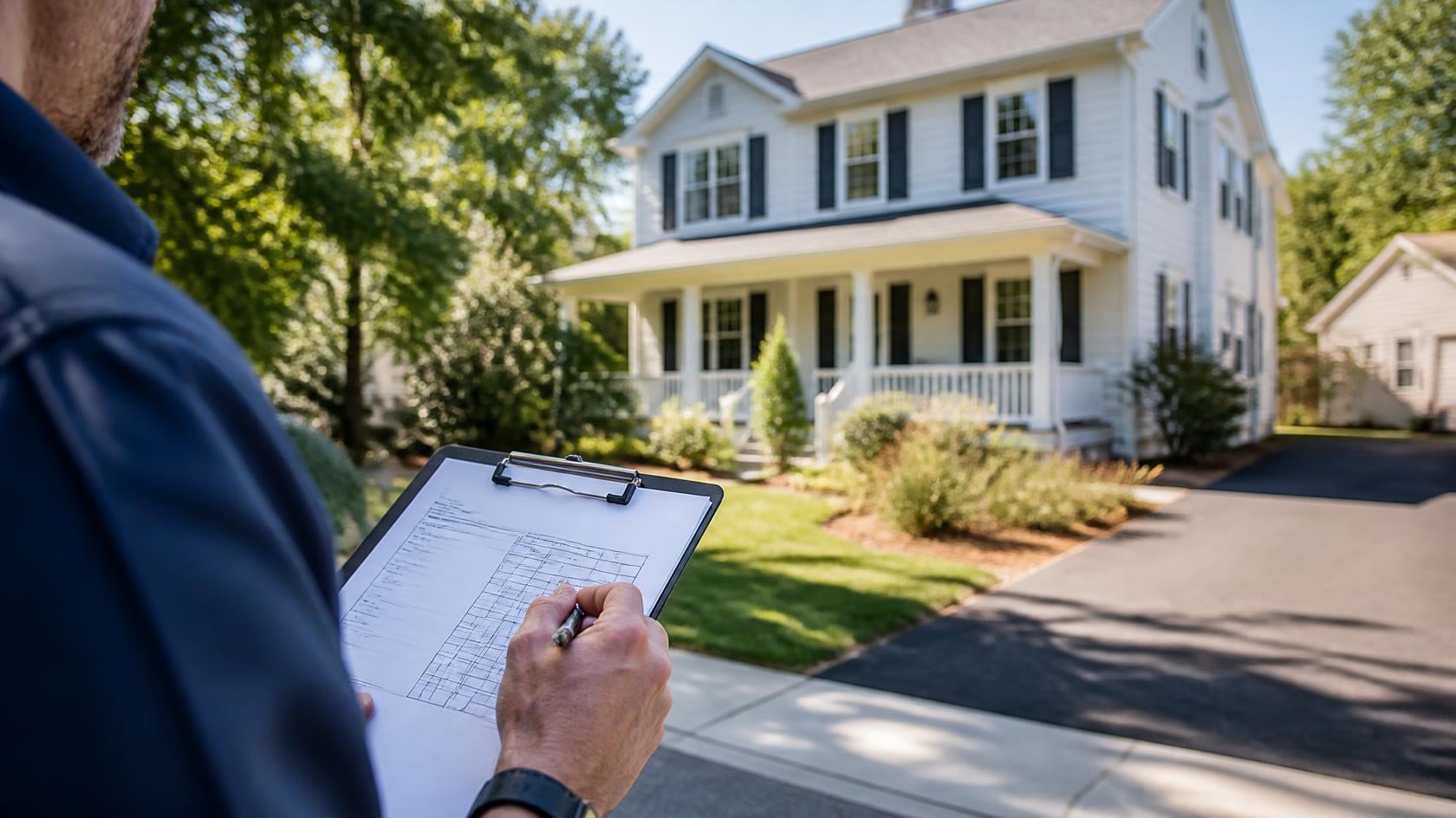
Why Many Landlords Choose to Self-Manage Their Rental Properties
Purchasing a rental property is only the first step in becoming a real estate investor. Once tenants move in, the day-to-day responsibilities of managing the property begin. Some landlords hire professional property managers, while others choose to handle everything themselves.
Self-managing a rental property allows owners to maintain complete control over their investment. They can personally screen tenants, oversee maintenance, collect rent, and make decisions without relying on a third party. For investors with one or two properties, this hands-on approach can be an effective way to reduce expenses and stay closely involved with their investment.
In Rhode Island, Massachusetts, and Connecticut, many first-time landlords initially choose self-management because they want to learn the business and maximize their rental income. However, it's important to understand that managing rental property is more than collecting rent each month. It requires consistent communication, organization, and the ability to solve problems quickly when they arise.
The Advantages of Managing Your Own Rental Property
One of the biggest benefits of self-management is cost savings. Property management companies typically charge a percentage of the monthly rent, along with additional fees for leasing, inspections, or maintenance coordination. Managing the property yourself allows you to keep more of your rental income.
Self-managing also provides greater control over every aspect of the investment. Landlords can choose how tenants are screened, decide which contractors perform repairs, and respond directly to questions or concerns. Many owners appreciate building relationships with their tenants because it encourages better communication and often leads to longer tenancies.
Another advantage is gaining firsthand knowledge of the local rental market. By handling leasing activities yourself, you'll better understand market rents, vacancy trends, tenant expectations, and maintenance costs. This experience can become valuable if you plan to expand your real estate portfolio in the future.
For landlords who enjoy being actively involved and have flexible schedules, self-management can be both financially rewarding and educational.
The Challenges Every Self-Managing Landlord Should Expect
While self-management offers several advantages, it also comes with significant responsibilities that many new investors underestimate.
Landlords are responsible for marketing vacancies, showing the property, screening applicants, preparing lease agreements, collecting rent, coordinating repairs, responding to maintenance emergencies, conducting inspections, and documenting every interaction with tenants. These responsibilities continue throughout the entire lease—not just when a tenant first moves in.
Unexpected maintenance calls can happen at any time. A plumbing leak, heating issue during the winter, or electrical problem may require immediate attention, even during evenings, weekends, or holidays.
There are also legal responsibilities to consider. Landlords must understand fair housing laws, security deposit regulations, lease requirements, eviction procedures, and local rental ordinances. Failing to follow these rules can result in expensive legal disputes and financial penalties.
Managing rental property successfully requires treating it like a business rather than a passive investment.
When Hiring a Property Manager May Be the Better Option
For some landlords, hiring a professional property manager can provide significant value despite the additional cost.
Property managers typically handle tenant screening, rent collection, lease renewals, maintenance coordination, inspections, and communication with tenants. They often have established relationships with contractors and understand local landlord-tenant laws, helping owners avoid common mistakes.
Hiring a property manager may make sense if you:
- Own multiple rental properties
- Live far from your investment property
- Have limited time to manage tenants
- Travel frequently
- Prefer a more passive investment
- Feel uncomfortable handling legal or maintenance issues
While management fees reduce monthly cash flow, they may also reduce stress, improve efficiency, and minimize costly mistakes over the long term.
For many investors, the decision ultimately comes down to whether they value saving money or saving time.
How to Decide Which Option Is Right for You
There is no one-size-fits-all answer when it comes to property management. The right choice depends on your experience, schedule, financial goals, and willingness to handle the responsibilities of being a landlord.
Before deciding, ask yourself these questions:
- Do I have time to respond to tenant needs quickly?
- Am I comfortable screening tenants and reviewing lease agreements?
- Can I coordinate repairs and maintenance efficiently?
- Do I understand my state's landlord-tenant laws?
- Am I available if an emergency occurs outside normal business hours?
If you answer "no" to several of these questions, hiring a property manager may be a worthwhile investment.
On the other hand, if you're organized, available, and interested in learning the rental business, self-management can help maximize your rental income while providing valuable experience.
Whether you manage the property yourself or hire professionals, the ultimate goal remains the same: protecting your investment, maintaining satisfied tenants, and building long-term wealth through real estate.
Owning rental property can be an excellent way to build long-term wealth, but successful investing requires more than simply purchasing a home. Understanding your management options before buying can help you choose an investment strategy that fits your goals and lifestyle.
Frequently Asked Questions
Is it cheaper to manage my own rental property?
Yes. Self-managing eliminates monthly property management fees, allowing landlords to keep more rental income. However, it also requires significantly more time and personal involvement.
What responsibilities does a self-managing landlord have?
Landlords are responsible for marketing vacancies, screening tenants, collecting rent, maintaining the property, responding to repairs, renewing leases, keeping records, and complying with landlord-tenant laws.
When should I hire a property manager?
Hiring a property manager may be beneficial if you own multiple properties, live far from the rental, have limited time, or prefer a more passive investment experience.
Can a property manager help with tenant screening?
Yes. Most professional property management companies handle tenant applications, background checks, income verification, lease preparation, and move-in coordination.
Is self-managing a rental property right for first-time investors?
It depends on your availability and willingness to learn. Many first-time investors successfully self-manage one property to gain experience before deciding whether to hire professional management as their portfolio grows.
Check out this article next
¿Deberías Administrar Tú Mismo tu Propiedad de Alquiler? Ventajas y Desventajas
Administrar tu propia propiedad de alquiler puede ayudarte a ahorrar dinero y darte mayor control, pero también requiere tiempo, organización y conocimiento de las responsabilidades…
Read ArticleLooking at a 2–4 family?
Run the real numbers before you offer.
Actual versus market rents, the FHA self-sufficiency test, taxes, insurance and financing. Alex has closed more than 275 transactions, many of them multifamily in Providence, Pawtucket and Central Falls, and will tell you plainly whether a property works.
Schedule a multifamily callEnglish or Spanish · Call or text 401-426-4857 · Contact form
196 Waterman St, Providence, RI 02906 · C: (401) 426-4857 · O: (401) 351-2017 · [email protected] · alexparmenidez.realtor