
Buying a Flipped Home in Rhode Island: The Good, the Bad, and What to Check Before You Fall in Love
What should you check before buying a flipped home in Rhode Island?
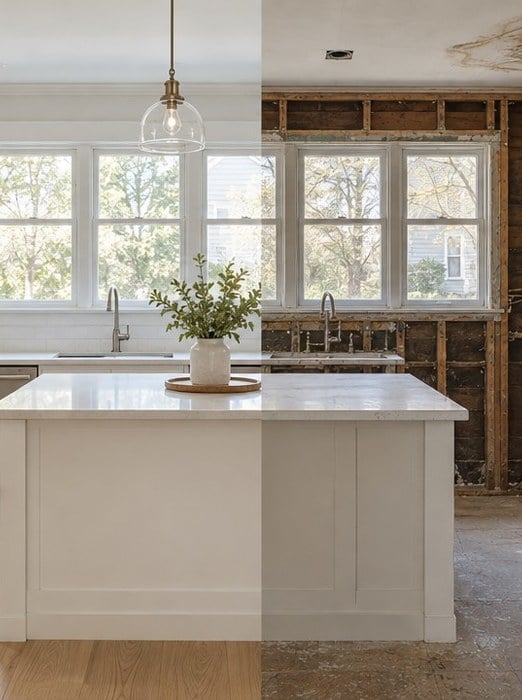
Check what sits behind the walls, not the staging. Before you offer on a flipped home, confirm whether the electrical, heating and plumbing were actually updated, whether permits were pulled for the work, and what the seller's disclosure says. Then protect yourself with a home inspection. A well-done flip can be a great buy; a sloppy one can hide expensive problems under fresh paint.
I have walked through flips where the work was done right, and I have walked through flips that were, honestly, a Mickey Mouse job. Same fresh paint, same new floors, completely different houses. I see both kinds in Providence, Pawtucket, Central Falls and across the Blackstone Valley. In my experience, the well-done flip wins almost every time. My job as your buyer's agent is to help you tell the two apart before you make an offer.

What is a flipped home, and is buying one a bad idea?
A flip is a property an investor buys, renovates and resells, usually within months. That is not a bad thing. Many flips take a tired house and make it safe and livable again. But the investor's goal is profit, and profit comes from two places: doing good work efficiently, or cutting corners where a buyer won't notice. Your goal is to find out which one you are looking at.
The good: why a well-done flip can be a great buy
- Move-in ready. New kitchens, baths and flooring mean fewer projects after closing. What that changes for you: more of your cash goes toward the purchase instead of repairs.
- Updated systems, when they are actually updated. A flip that replaced the electrical, heating and plumbing can give you years without major repairs.
- Modern layouts. Many flips open up older floor plans that would cost a buyer a lot to change on their own.
What can a sloppy flip hide?
- Cosmetic over critical. Paint, flooring and fixtures are cheap and visible. Wiring, heating and drains are expensive and hidden. A sloppy flipper spends on what you see.
- Paint that covers a problem. Let's be honest: fresh paint can cover a smell, a stain or water damage. If you move in, you will find out sooner or later.
- Work done without permits. Renovations without permits may not have been inspected by the city or town. That can mean safety problems, and questions when you sell.
- A thin seller's disclosure. Rhode Island law requires sellers of one-to-four-unit homes to give buyers a written disclosure of the problems they know about before the purchase agreement is signed (R.I. Gen. Laws § 5-20.8-2). Even so, some flippers disclose very little about the work they did. I have seen a disclosure come back with almost nothing on it, on a house in a bidding war. A blank disclosure is not proof of a problem, but it is a reason to dig deeper.
- A price that includes the flipper's profit. You are paying for the renovation and the investor's margin. That is fair when the work is solid, and painful when it isn't.
What do I check on every flipped home?
I don't fall in love with a house because it is beautiful, and I don't want my buyers to either. Here is what I go deeper on:
- Electrical. Was it updated, or just new switches and fixtures on old wiring? If it wasn't updated, what is the risk and what would it cost?
- Heating system. Was it replaced, serviced or left alone? How old is it, and does it work?
- Plumbing. Any signs of leaks, fresh patches on ceilings, or new paint in odd spots under bathrooms?
- Permits. What work was done, and were permits pulled? Permit records are kept by the city or town building department, and your agent and attorney can help you check them.
- Seller's disclosure. Read it line by line. Compare what it says with what you see. Gaps are questions to ask before you offer.
- Finishes. Quality tells a story. Cheap finishes in visible places often mean cheaper choices in places you can't see.
Should you skip the inspection on a flipped home in a bidding war?
I always recommend a home inspection on a flipped home. I also know that in a bidding war, buyers feel pressure to waive it. That is exactly when it hurts most. (For what actually wins in a multiple-offer situation besides price, see what decides the winning offer in Providence.) A buyer who skips the inspection on a sloppy flip can get stuck with every problem the paint was hiding.
If competition is tight, talk with your agent about ways to stay competitive without going in blind, such as a shorter inspection window. I also recommend a radon test on virtually every purchase in our market. The right strategy depends on the house and the competition, so make that call with your agent, not under pressure on the day you write the offer.

The Free Checklist
FLIPPED HOME CHECKLIST
Flipped Home Checklist
Free Checklist: Buying a Flipped Home
Get the Flipped Home Checklist: what to check before you tour, at the showing, and before you write an offer. Use it on your phone or print it.
Who should be on your team when you buy a flip?
Buying a flip is a team decision. These are the people who protect you:
- Your buyer's agent. Someone who asks the hard questions about the work, the permits and the disclosure, instead of selling you the staging.
- Your home inspector. An experienced, independent inspector who will tell you what was updated and what was only painted.
- Your lender. They can tell you early what the appraisal and loan program will look for, so there are no surprises. Once you are under contract, here is what can still cost you the loan or the deposit.
- Your closing attorney. They review the paperwork and title so the legal side is clean.
I refer inspectors and lenders based on their track record only, never for compensation.
For investors who flip: what separates the winners
- Run the numbers before you buy. Purchase price, renovation, carrying costs like taxes, insurance, utilities and interest, and selling costs. Thin margins leave no room for surprises.
- Pull permits and do the work right. A clean permit history and solid systems sell faster and hold up under inspection.
- Hire contractors you can verify. The contractor is the product. Quality work is what wins.
- Disclose honestly. A clear disclosure builds trust with buyers and their agents, and it protects you.
Frequently Asked Questions
Is it a bad idea to buy a flipped house?
Not by itself. A flip done well can be move-in ready with updated systems. The risk is a flip where the money went into finishes instead of the electrical, heating and plumbing. The inspection, the permit history and the seller’s disclosure tell you which one you are looking at.
How can I tell if a flip was done right?
Ask what was replaced and when, check whether permits were pulled, read the seller’s disclosure line by line, and have an independent home inspector look at the systems. Quality finishes in visible places are a good sign; cheap finishes often point to cheaper choices you can’t see.
Should I waive the home inspection on a flipped home?
I don’t recommend it. A waived inspection on a sloppy flip can leave you with every problem the paint was hiding. If the market is competitive, talk with your agent about a shorter inspection window instead of going in blind.
Do flippers have to disclose the work they did?
Rhode Island sellers complete a seller’s disclosure, but some flippers say very little about the renovation. A thin or blank disclosure is not proof of a problem; it is a reason to ask questions and verify. For anything legal, your closing attorney is the right person to ask.
Who should I work with when buying a flipped home?
A buyer’s agent who asks hard questions, an experienced independent home inspector, a lender who explains early what the appraisal will look for, and a closing attorney who reviews the paperwork and title.
The takeaway
At the end of the day, it comes down to being aware of what you are buying. Be mindful of the price you pay. Be mindful of the upfront costs (here is how I break down the cash you need to buy). And be ready for something you didn't expect. That awareness resolves many headaches before they ever start.
Your next steps
- Before you tour a flip, ask your agent to pull what is known about the renovation and the permit history.
- Read the seller's disclosure before you write an offer, and list every question it raises.
- Plan for a home inspection, and decide your inspection strategy with your agent before the bidding starts.
- Talk to your lender early about what the appraisal will look for.
Thinking about buying a flipped home, or flipping one yourself? Call or text me at 401-426-4857 and we can walk through the house you have in mind. I work with buyers and sellers in English and Spanish.
About Alexander Parmenidez
Alexander Parmenidez is a Broker Associate and REALTOR® with Coldwell Banker Realty, licensed in Rhode Island, Massachusetts and Connecticut since 2013, with more than 275 closings. He focuses on the Providence Metro and the Blackstone Valley, with Cumberland as his primary farm, and works with first-time homebuyers, sellers, and buyers of two-to-four-unit multifamily properties. He serves clients in English and Spanish. Living Elevated.
Equal Housing Opportunity. Alexander Parmenidez, Broker Associate | REALTOR® at Coldwell Banker Realty. Regulated by the Rhode Island Department of Business Regulation – Real Estate Division; Connecticut Department of Consumer Protection; Massachusetts Board of Registration of Real Estate Brokers and Salespersons. This article is general information, not legal, tax or financial advice; confirm your own numbers with your real estate attorney, tax advisor or lender. Not intended to solicit properties currently listed with another broker.
Thinking about buying?
Let's look behind the paint.
A 30-minute call covers what to check on a flipped home, how to read the permit history and the seller's disclosure, and how to stay competitive without skipping the inspection. You work directly with Alexander from the first call to closing.
Schedule a buyer callEnglish or Spanish · Call or text 401-426-4857 · Contact form
196 Waterman St, Providence, RI 02906 · C: (401) 426-4857 · O: (401) 351-2017 · [email protected] · alexparmenidez.realtor
Check out this article next
¿Vender Como Está o Reparar Primero en Lincoln, RI? Empiece por sus Números
Un precio acordado no significa que una casa de tres familias en Pawtucket vaya a financiarse. Cómo funciona la prueba de autosuficiencia de FHA, cuánto…
Read Article