Do You Need 20% Down to Buy a Home? The Truth About Down Payments
TL;DR
One of the biggest myths about buying a home is that you need a 20% down payment. In reality, many buyers purchase homes with much less through FHA, conventional, VA, and USDA loan programs. Understanding your financing options can help you become a homeowner sooner than you may have thought possible.
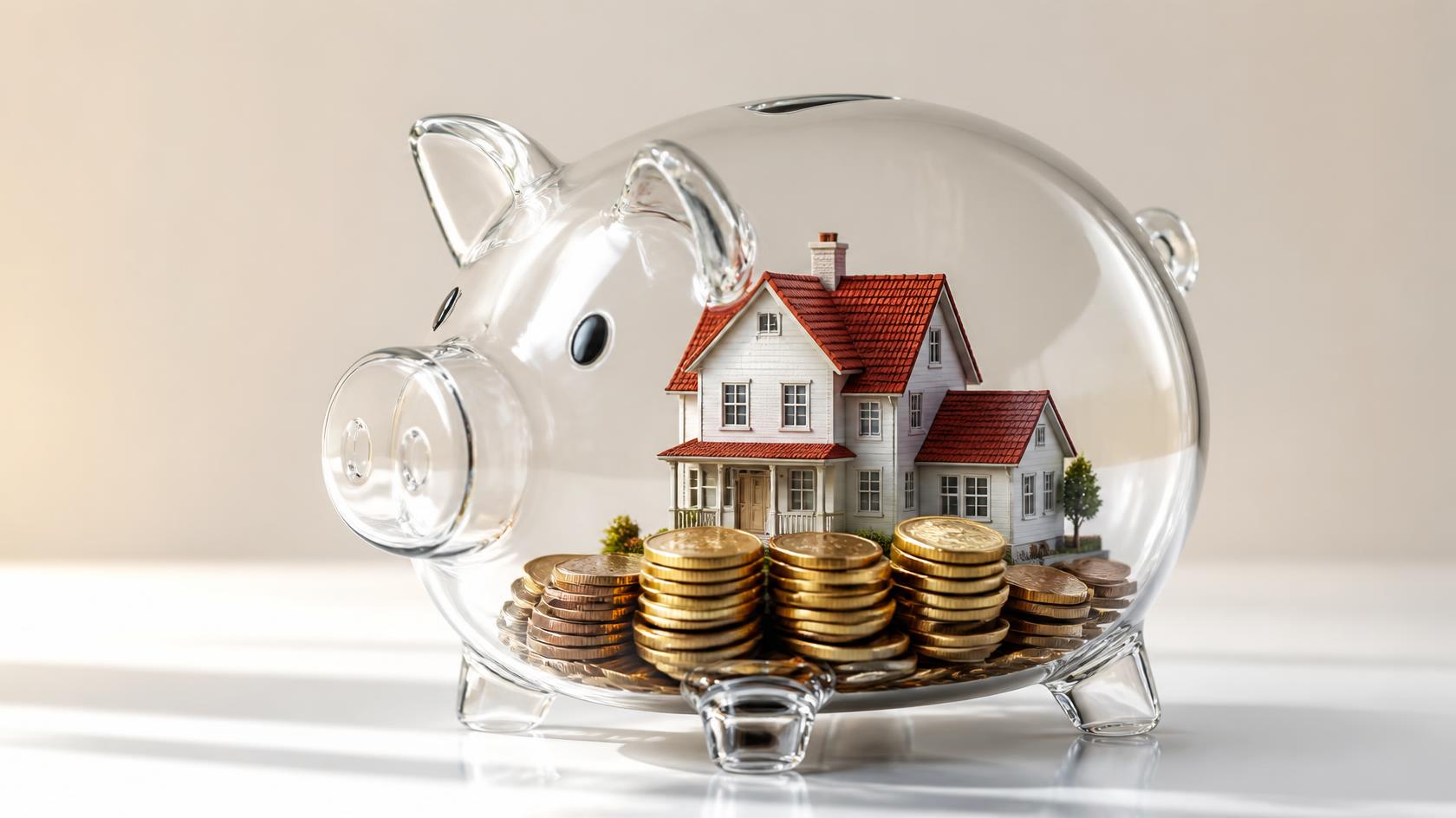
The 20% Down Payment Myth
If you've been thinking about buying a home, you've probably heard that you need to save 20% of the purchase price before you can qualify for a mortgage. For many people, this belief delays homeownership for years because saving tens of thousands of dollars can feel overwhelming.
The good news is that a 20% down payment is not required for most buyers. While putting 20% down can provide certain financial advantages, many loan programs allow qualified buyers to purchase a home with a much smaller upfront investment.
Every year, first-time buyers throughout Rhode Island, Massachusetts, and Connecticut successfully purchase homes with down payments well below 20%. The key is understanding which financing options are available and choosing the program that best fits your financial situation.
Instead of focusing on an outdated rule of thumb, buyers should speak with a lender early to understand what they may actually qualify for based on their income, credit, and savings.
What Loan Programs Offer Lower Down Payments?
Today's mortgage market offers several financing options designed to make homeownership more accessible.
Depending on your qualifications, you may be eligible for:
- FHA loans, which often require as little as 3.5% down for qualified buyers.
- Conventional loans with low down payment options, sometimes as little as 3% for eligible first-time buyers.
- VA loans for qualified veterans, active-duty military members, and certain surviving spouses, which may require no down payment.
- USDA loans for eligible buyers purchasing homes in qualifying rural areas, which may also offer 100% financing.
- State and local first-time homebuyer assistance programs, which may provide grants, forgivable loans, or down payment assistance to qualified applicants.
Each loan program has its own eligibility requirements, credit guidelines, and financial qualifications. An experienced lender can help determine which option best aligns with your goals.
For many buyers, discovering these programs is the first step toward realizing that homeownership may be much closer than they expected.
What Are the Benefits of Putting More Money Down?
Although a 20% down payment isn't required, making a larger down payment can provide several advantages.
A higher down payment may:
- Reduce your monthly mortgage payment.
- Lower the total amount you borrow.
- Reduce the amount of interest paid over the life of the loan.
- Improve your debt-to-income ratio.
- Increase your home equity immediately after closing.
- Eliminate private mortgage insurance (PMI) on many conventional loans.
However, using all of your savings for a larger down payment isn't always the best financial decision.
Homeownership comes with additional expenses beyond the down payment, including closing costs, moving expenses, maintenance, repairs, and emergency savings. Many financial professionals recommend maintaining a comfortable cash reserve after closing rather than exhausting your savings simply to reach the 20% mark.
Finding the right balance between your down payment and your overall financial security is often more important than reaching a specific percentage.
Remember: The Down Payment Isn't Your Only Upfront Cost
One common surprise for first-time buyers is that the down payment is only one part of the money needed to purchase a home.
Buyers should also prepare for:
- Closing costs
- Home inspections
- Appraisal fees
- Earnest money deposits
- Moving expenses
- Initial repairs or maintenance
- Utility setup costs
- Homeowners insurance
- Property taxes
Fortunately, buyers may have opportunities to reduce some of these expenses. In certain situations, sellers may contribute toward closing costs, builders may offer incentives on new construction, and down payment assistance programs may help qualified buyers reduce their upfront investment.
Planning for all of these costs—not just the down payment—helps buyers avoid financial stress after moving into their new home.
Preparation Matters More Than the Size of Your Down Payment
Many buyers spend years trying to save a 20% down payment when they may already qualify for a mortgage today.
Instead of delaying your homeownership goals based on a common misconception, consider taking these steps:
- Review your credit score.
- Pay down high-interest debt.
- Build consistent savings.
- Avoid taking on unnecessary new debt.
- Get pre-approved by a trusted lender.
- Learn about local homebuyer assistance programs.
- Work with an experienced real estate professional who understands today's financing options.
Preparation often has a greater impact on your success than the size of your down payment alone.
Every buyer's financial situation is different, which is why personalized guidance is so valuable. The sooner you understand your options, the sooner you can create a realistic plan for purchasing a home that fits both your budget and your long-term goals.
Frequently Asked Questions
Do I need a 20% down payment to buy a home?
No. Many buyers qualify for mortgages with significantly smaller down payments through FHA, conventional, VA, USDA, and other financing programs.
What is the minimum down payment for a home?
The minimum depends on the loan program and your qualifications. Some conventional loans require as little as 3% down, FHA loans often require 3.5%, and eligible VA and USDA borrowers may qualify with no down payment.
What happens if I put less than 20% down?
On many conventional loans, buyers who put less than 20% down will pay private mortgage insurance (PMI). FHA loans also include mortgage insurance requirements. Your lender can explain how these costs apply to your specific loan.
Can first-time homebuyer programs help with my down payment?
Yes. Many state and local programs offer grants, loans, or other forms of down payment assistance for qualified first-time buyers.
Should I wait until I save 20%?
Not necessarily. Depending on your financial situation, buying sooner with a smaller down payment may allow you to begin building equity earlier instead of continuing to rent while waiting to reach the 20% threshold.
Check out this article next
¿Necesitas un 20% de Enganche para Comprar una Casa? La Verdad Sobre los Pagos Iniciales
Uno de los mayores mitos al comprar una casa es que necesitas un enganche del 20%.
Read ArticleThinking about buying?
Let's talk through your numbers first.
A 30-minute call covers what you can afford comfortably, what taxes and insurance really cost in the town you're looking at, and which loan programs fit you. You work directly with Alex from the first call to closing.
Schedule a buyer callEnglish or Spanish · Call or text 401-426-4857 · Contact form
196 Waterman St, Providence, RI 02906 · C: (401) 426-4857 · O: (401) 351-2017 · [email protected] · alexparmenidez.realtor