
Does the End of Summer Affect Home Prices?
TL;DR
The end of summer can affect how quickly homes sell and how buyers behave, but it does not automatically mean home prices will drop. In Rhode Island, limited inventory, mortgage rates, local demand, and property condition can have a much greater impact on pricing than the change from summer to fall.
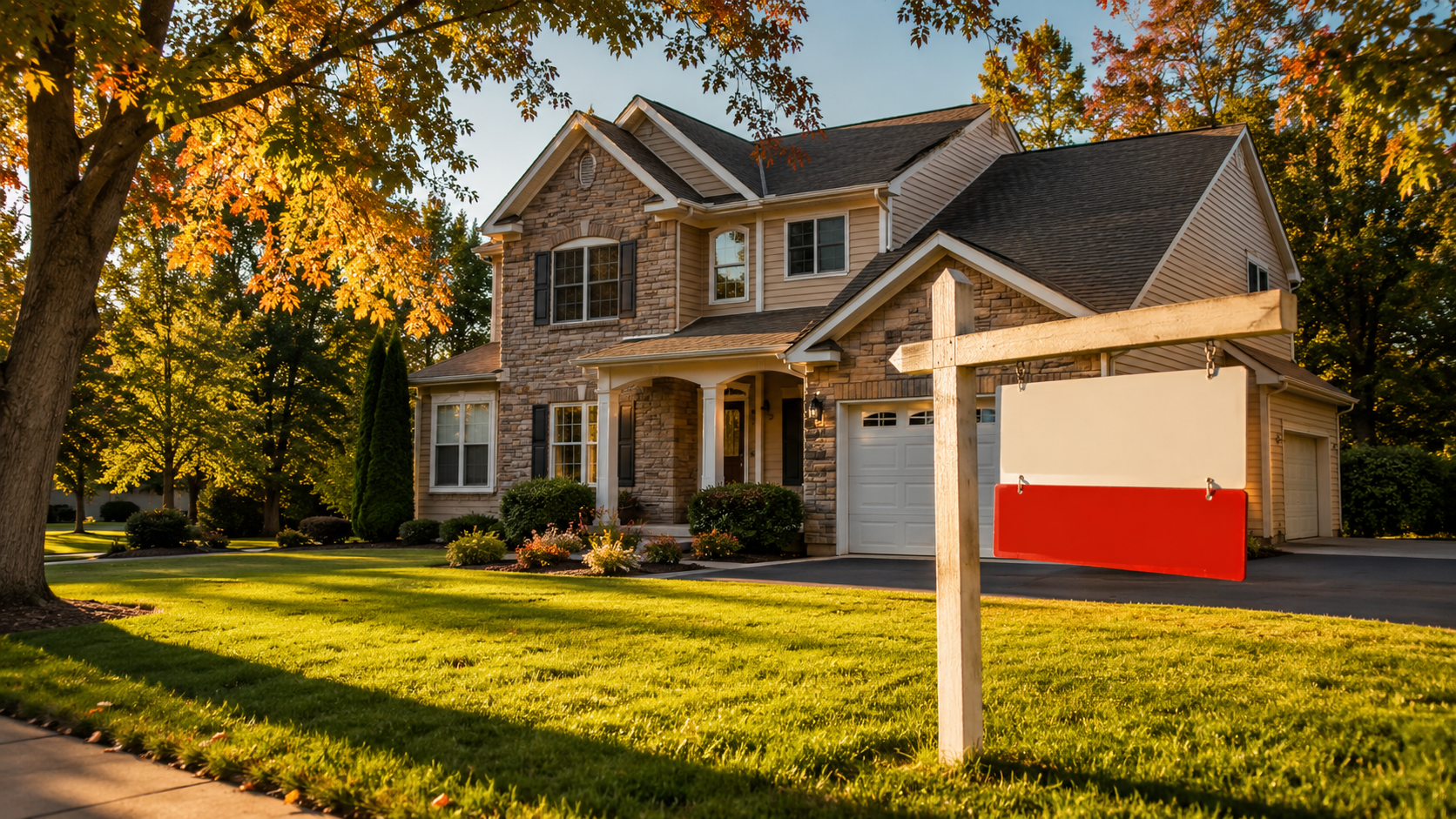
What Happens to the Housing Market When Summer Ends?
For many people, summer feels like the busiest time of year for real estate. Families may want to move before the school year begins, buyers have more flexibility for showings, and sellers often take advantage of longer days and favorable weather.
As September approaches, however, activity can begin to change. Some buyers who were actively searching during the summer may pause their search, while others become more focused because they want to purchase before the end of the year.
Housing is seasonal, but seasonality does not operate like a switch that suddenly turns the market from "hot" to "cold." Historically, housing activity tends to build through spring and summer before gradually slowing later in the year, although fall can sometimes bring another smaller increase in activity. Recent housing research also shows that traditional seasonality has changed since the pandemic rather than disappearing completely.
That distinction matters for Rhode Island homeowners. A home being listed in September instead of June does not automatically mean it needs to be priced lower. The more important question is what is happening with local inventory, buyer demand, mortgage rates, and comparable properties.
Does the End of Summer Mean Home Prices Will Fall?
Not necessarily.
Seasonal changes can affect the number of buyers actively looking and the speed at which homes sell, but that doesn't mean sellers have to expect a major price decline.
Rhode Island is a good example of why looking only at the calendar can be misleading. In May 2026, the Rhode Island Association of REALTORS® reported a $500,000 median single-family home price, down 2.5% year over year, while inventory increased 2.5% and closed sales declined 19.8%. That combination gave buyers somewhat more negotiating power.
But the market changed again as the summer progressed. By June, the median Rhode Island single-family home price reached approximately $550,000, nearly 6% higher than June 2025.
The lesson is important: one month or one season does not determine the direction of home prices.
Current statewide data also shows that Rhode Island remains a relatively competitive market. Realtor.com reported a statewide median listing price of $589,900 and a median sold price of $490,000 based on its June 2026 data, with homes spending a median of about 30 days on the market.
For sellers in Providence, Cranston, Warwick, Smithfield, Cumberland, Pawtucket, or other Rhode Island communities, the value of an individual property depends much more on its specific location, condition, size, features, and comparable sales than simply on whether it is summer or fall.
Why Fall Can Still Be a Good Time to Sell
One advantage of selling at the end of summer is that the buyers who remain active may be particularly motivated.
Some buyers have already spent months searching and haven't found the right home. Others may have missed out on properties during the spring and summer and are still watching the market closely. There are also buyers who need to move because of employment, family changes, relocation, or other circumstances that don't follow a seasonal schedule.
At the same time, fewer competing listings can sometimes help a well-prepared property stand out.
This doesn't mean every fall listing will receive multiple offers. It means the relationship between supply and demand becomes especially important.
If there are only a few comparable homes available in a particular Rhode Island neighborhood, a desirable property can still attract strong attention even after summer ends. Conversely, if several similar homes are competing for the same buyers, pricing and presentation become increasingly important.
Mortgage rates are another major factor. In July 2026, U.S. existing-home sales declined 1.7% from June, while the national median existing-home price was still 2% higher than a year earlier. Higher mortgage rates and limited supply were cited as important factors affecting activity.
That means the end of summer isn't happening in isolation. Buyers are making decisions based on their monthly payment, available inventory, home prices, and expectations about future rates.
What Buyers Should Know About Shopping After Summer
For buyers, the end of summer can create a different type of opportunity.
There may be fewer new listings than during the peak spring and summer period, but some sellers may be more motivated if their home has been on the market for several weeks. A property that didn't sell during the summer could potentially provide more room for negotiation—but buyers should not assume that every fall listing is overpriced or desperate.
The best strategy is to evaluate the individual property.
Look at how long the home has been listed, whether the asking price has changed, how it compares with recently sold properties, and whether similar homes are still available. A home that has been sitting for 60 days for a legitimate reason may be very different from one that has simply been priced above market.
Buyers should also remember that waiting for fall solely because they expect prices to drop can backfire. If mortgage rates change, inventory shifts, or a particularly desirable home becomes available, the overall cost of waiting may be different from what a buyer expected.
In other words, fall can provide opportunities, but there is no guaranteed seasonal discount.
Should You Buy or Sell at the End of Summer?
There is no universal answer because the best timing depends on the property and the person's circumstances.
For sellers, the end of summer can still be a good time to list when the home is priced correctly, prepared well, and positioned against the current competition. Rather than automatically reducing the price because summer is ending, look at what buyers are actually paying for comparable homes.
For buyers, fall can offer opportunities to negotiate on certain properties, especially when a home has been on the market for an extended period. But buyers should balance that potential negotiating power against the possibility of having fewer homes to choose from.
The most important takeaway is that seasonality influences the housing market, but it doesn't control it.
In Rhode Island, the current market demonstrates why local data matters. Prices, inventory, and buyer behavior can change from month to month, and conditions can vary considerably between Providence, Cranston, Warwick, Cumberland, Smithfield, and other communities.
If you're thinking about making a move, don't base the decision solely on the calendar. Look at your financial situation, your timeline, the local comparable sales, current inventory, and the type of property you're buying or selling.
Frequently Asked Questions
Do home prices usually drop at the end of summer?
Not automatically. Housing activity often slows after the spring and summer peak, but seasonal changes in buyer activity do not guarantee lower home prices. Local inventory, demand, mortgage rates, and property-specific factors can have a much greater impact.
Is September a good time to sell a house in Rhode Island?
It can be. A well-priced and well-prepared home can still attract motivated buyers in September and throughout the fall. The best timing depends on the property's location, condition, competition, and the seller's goals.
Is it better to buy a house in the fall than in the summer?
Not necessarily. Fall buyers may encounter less competition on certain properties and potentially find sellers who are more willing to negotiate, but there may also be fewer homes available. The best time depends on the buyer's needs and the specific market.
Why do fewer people buy homes after summer?
Seasonal factors can reduce activity after summer because families may have already completed moves, vacations are ending, and people are returning to regular work and school schedules. However, motivated buyers continue searching throughout the fall and winter.
Should I wait until fall for home prices to decrease?
Waiting solely for a seasonal price drop can be risky because there is no guarantee prices will decline. If you're financially ready to buy, it's generally more useful to evaluate current inventory, comparable sales, mortgage rates, and your specific goals than to rely on the calendar alone.
Check out this article next

¿El Final del Verano Afecta los Precios de las Viviendas?
El final del verano puede afectar la rapidez con la que se venden las viviendas y el comportamiento de los compradores, pero no significa automáticamente…
Read ArticleThinking about buying?
Let's talk through your numbers first.
A 30-minute call covers what you can afford comfortably, what taxes and insurance really cost in the town you're looking at, and which loan programs fit you. You work directly with Alexander from the first call to closing.
Schedule a buyer callEnglish or Spanish · Call or text 401-426-4857 · Contact form
196 Waterman St, Providence, RI 02906 · C: (401) 426-4857 · O: (401) 351-2017 · [email protected] · alexparmenidez.realtor