
Down Payment vs. Closing Costs: What's the Difference?
TL;DR
Many first-time homebuyers confuse down payments and closing costs, but they are two separate expenses. Understanding the difference can help buyers budget more accurately and avoid surprises when it's time to close on a home.
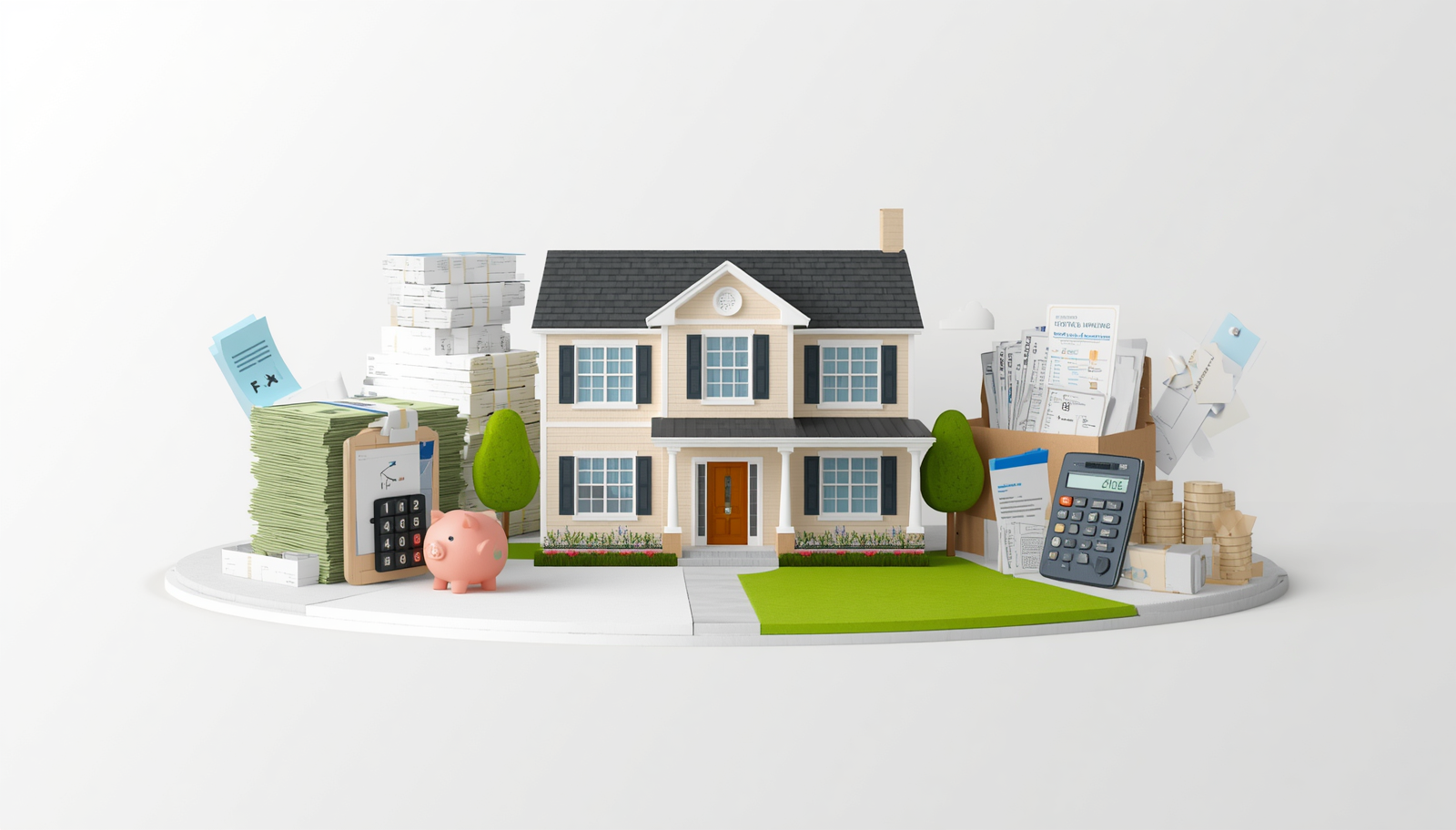
Understanding Down Payments and Closing Costs
A down payment is the portion of the home's purchase price that the buyer pays upfront. It represents the buyer's initial investment in the property and reduces the amount that must be financed through a mortgage.
For example, if you purchase a $400,000 home and put 10% down, your down payment would be $40,000, and the remaining $360,000 would typically be financed through a loan.
Closing costs, on the other hand, are the fees and expenses associated with completing a real estate transaction. These costs are separate from the down payment and are typically paid at closing.
Common closing costs include:
- Loan origination fees
- Appraisal fees
- Title insurance
- Attorney fees
- Recording fees
- Home inspection costs
- Escrow and prepaid expenses
- Property tax and insurance escrows
Many buyers assume they need a 20% down payment, but numerous loan programs allow qualified buyers to purchase a home with significantly less.
How Much Should Buyers Expect to Pay?
Closing costs typically range from 2% to 5% of the home's purchase price, although the amount can vary depending on the loan type, location, and lender.
For a $400,000 home, buyers might expect closing costs between $8,000 and $20,000.
In Rhode Island, Massachusetts, and Connecticut, certain local fees, taxes, and attorney requirements may affect the total amount due at closing.
Because down payments and closing costs are separate expenses, buyers should plan for both when preparing their homebuying budget. aspects of transferring ownership.
Financing Options and Assistance Programs
In some situations, buyers may be able to roll certain costs into their mortgage or negotiate seller concessions to help offset expenses.
Seller concessions are common in some market conditions and can help reduce the amount of cash a buyer needs at closing.
However, down payments generally cannot be financed and must come from the buyer's own funds, an approved gift, or an eligible assistance program.
Many buyers are surprised to learn that down payment assistance programs may be available.
Programs in Rhode Island, Massachusetts, and Connecticut can provide grants, forgivable loans, or low-interest assistance for qualified buyers. These programs can help reduce upfront costs and make homeownership more accessible, especially for first-time homebuyers.
Why Buyers Should Budget for Both
One of the biggest mistakes first-time buyers make is saving only for the down payment and overlooking closing costs.
For example, a buyer purchasing a home with a 5% down payment may still need thousands of dollars in additional funds to cover closing expenses.
Creating a complete homebuying budget can help buyers avoid last-minute financial stress and better prepare for homeownership.
Frequently Asked Questions
Is a down payment the same as closing costs?
No. A down payment is your upfront investment in the home, while closing costs are fees and expenses related to completing the transaction.
How much should I save for a down payment and closing costs?
The amount depends on the home's price and your loan program. Buyers should budget for both expenses separately when planning a purchase.
Can a seller pay my closing costs?
In many transactions, sellers may agree to contribute toward closing costs through negotiated seller concessions.
Do first-time homebuyers need a 20% down payment?
No. Many loan programs allow qualified buyers to purchase a home with significantly less than 20% down.
Are closing costs negotiable?
Some closing costs may be negotiable, and buyers can often compare lender fees or negotiate seller concessions to reduce out-of-pocket expenses.
Check out this article next
Cómo Calcular los Impuestos sobre la Propiedad al Comprar una Casa
Los impuestos sobre la propiedad son una parte importante del costo total de ser propietario de una vivienda.
Read ArticleThinking about buying?
Let's talk through your numbers first.
A 30-minute call covers what you can afford comfortably, what taxes and insurance really cost in the town you're looking at, and which loan programs fit you. You work directly with Alex from the first call to closing.
Schedule a buyer callEnglish or Spanish · Call or text 401-426-4857 · Contact form
196 Waterman St, Providence, RI 02906 · C: (401) 426-4857 · O: (401) 351-2017 · [email protected] · alexparmenidez.realtor