
Should You Sell Your Home Before Buying Another One?
TL;DR
Whether you should sell your home before buying another depends on your financial situation, local market conditions, and risk tolerance. Selling first provides financial clarity and reduces risk, while buying first may offer convenience if you find the perfect home.
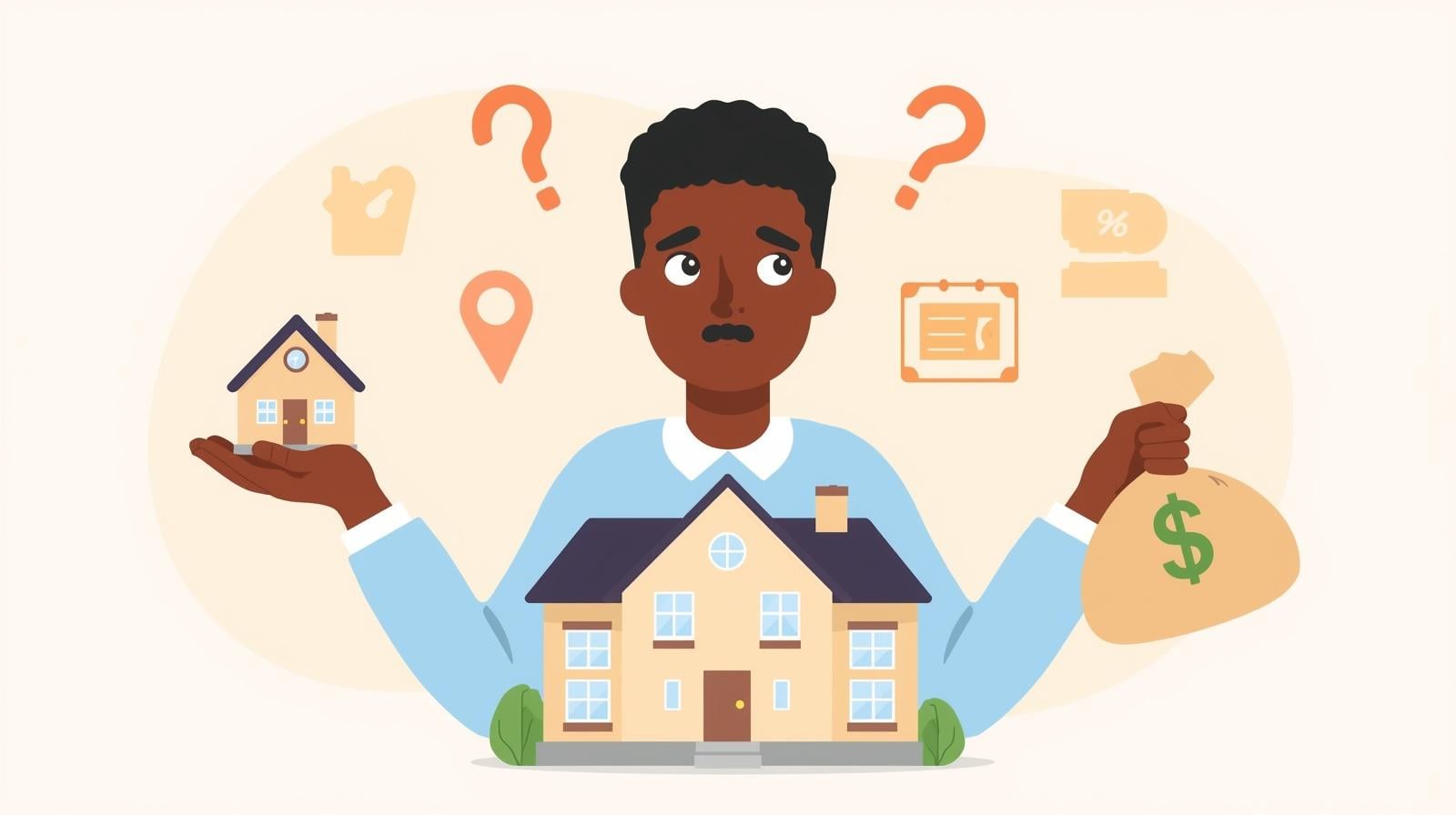
Understanding the Sell First vs. Buy First Decision
When homeowners decide to move, one of the biggest questions they face is timing: Should you sell your current home before purchasing your next one? This decision can significantly impact your finances, stress level, and overall moving timeline.
In competitive real estate markets like those in Rhode Island and the surrounding New England area, the order of selling and buying matters. Each approach has advantages and potential drawbacks, so understanding both options can help you choose the path that fits your goals.
The Advantages of Selling Your Home First
Selling your home before buying another is often considered the safer financial strategy. Once your current home is sold, you know exactly how much equity you have available to use toward your next purchase.
Another major benefit is avoiding the possibility of carrying two mortgages at the same time, which can place financial pressure on many households. By selling first, you eliminate uncertainty about how long your current property may stay on the market.
In addition, buyers who have already sold their home are often in a stronger negotiating position when making an offer. Sellers tend to prefer offers from buyers who don't have a home sale contingency attached.
The Benefits of Buying Before You Sell
For some homeowners, buying a new home before selling the current one offers convenience and flexibility. It allows you to move once instead of twice, avoiding temporary housing or short-term rentals.
This approach can be particularly helpful if you find a property that perfectly fits your needs and don't want to risk losing it while waiting to sell your current home.
However, buying first requires financial readiness. Lenders may require you to qualify for a new mortgage while still carrying your existing one, unless you use options like bridge financing or other specialized loan programs.
Market Conditions Can Influence Your Decision
Real estate market conditions often play a major role in determining whether selling first or buying first makes more sense.
In a seller’s market, where homes sell quickly and inventory is limited, selling first may provide peace of mind because your property is likely to move quickly. In contrast, if inventory is tight and it's difficult to find your next home, some homeowners prefer buying first so they don't miss an opportunity.
Working with an experienced real estate professional can help you evaluate local conditions and determine which strategy is best for your situation.
Planning Your Transition Between Homes
Regardless of which option you choose, careful planning is essential to ensure a smooth transition.
Strategies such as rent-back agreements, flexible closing dates, and contingency clauses can help bridge the gap between selling and buying. These tools allow homeowners to coordinate timelines and avoid unnecessary stress during the move.
Understanding your financial picture, including equity, mortgage qualifications, and moving costs, will also help you make a confident decision.
Frequently Asked Questions
Q: Is it better to sell your home before buying another one?
A: Selling first can reduce financial risk because you’ll know exactly how much money you have available from your home sale. It also eliminates the possibility of carrying two mortgages at once.
Q: Can I buy a house before selling my current home?
A: Yes, many homeowners purchase a new property before selling their current one, but lenders may require you to qualify for both mortgages. If you’re considering this strategy, you can explore available homes and learn more about the process on my website.
Q: What happens if my home doesn’t sell before I buy another?
A: If your current home takes longer to sell than expected, you may temporarily carry two housing payments. Some buyers use bridge loans or home equity options to help manage this situation.
Q: Are there financing options that help you buy before selling?
A: Yes, programs such as bridge loans, home equity lines of credit, or contingent offers may help homeowners secure a new property before their current home sells. If you'd like to see how these strategies work in today’s market, you can find more information on my website.
Q: How do I coordinate closing dates when selling and buying?
A: Real estate agents often negotiate flexible timelines, including rent-back agreements or delayed closings, to help homeowners transition smoothly between properties. If you're planning a move and want guidance on timing your sale and purchase, you can explore your options on my website.
Check out this article next

Secretos del Crédito: Ahorra Miles al Comprar tu Casa
Tu puntaje de crédito juega un papel fundamental en la tasa hipotecaria que puedes obtener. Incluso una pequeña mejora en tu puntaje puede reducir significativamente…
Read ArticleThinking about selling?
Know what you'd actually walk away with.
Alex prepares a written net-proceeds estimate from live comparable sales, your payoff, closing costs and taxes, so you can decide on timing with real numbers. A 30-minute call, no obligation to list.
Schedule a net-proceeds callEnglish or Spanish · Call or text 401-426-4857 · Contact form
196 Waterman St, Providence, RI 02906 · C: (401) 426-4857 · O: (401) 351-2017 · [email protected] · alexparmenidez.realtor