
The First-Year Homeowner Expenses You Should Plan For
TL;DR
Buying a home involves more than saving for a down payment and closing costs. During the first year, homeowners should also prepare for property taxes, homeowners insurance, utilities, routine maintenance, unexpected repairs, and the costs of making the property feel like home. Planning for these expenses before closing can help new homeowners avoid financial surprises.
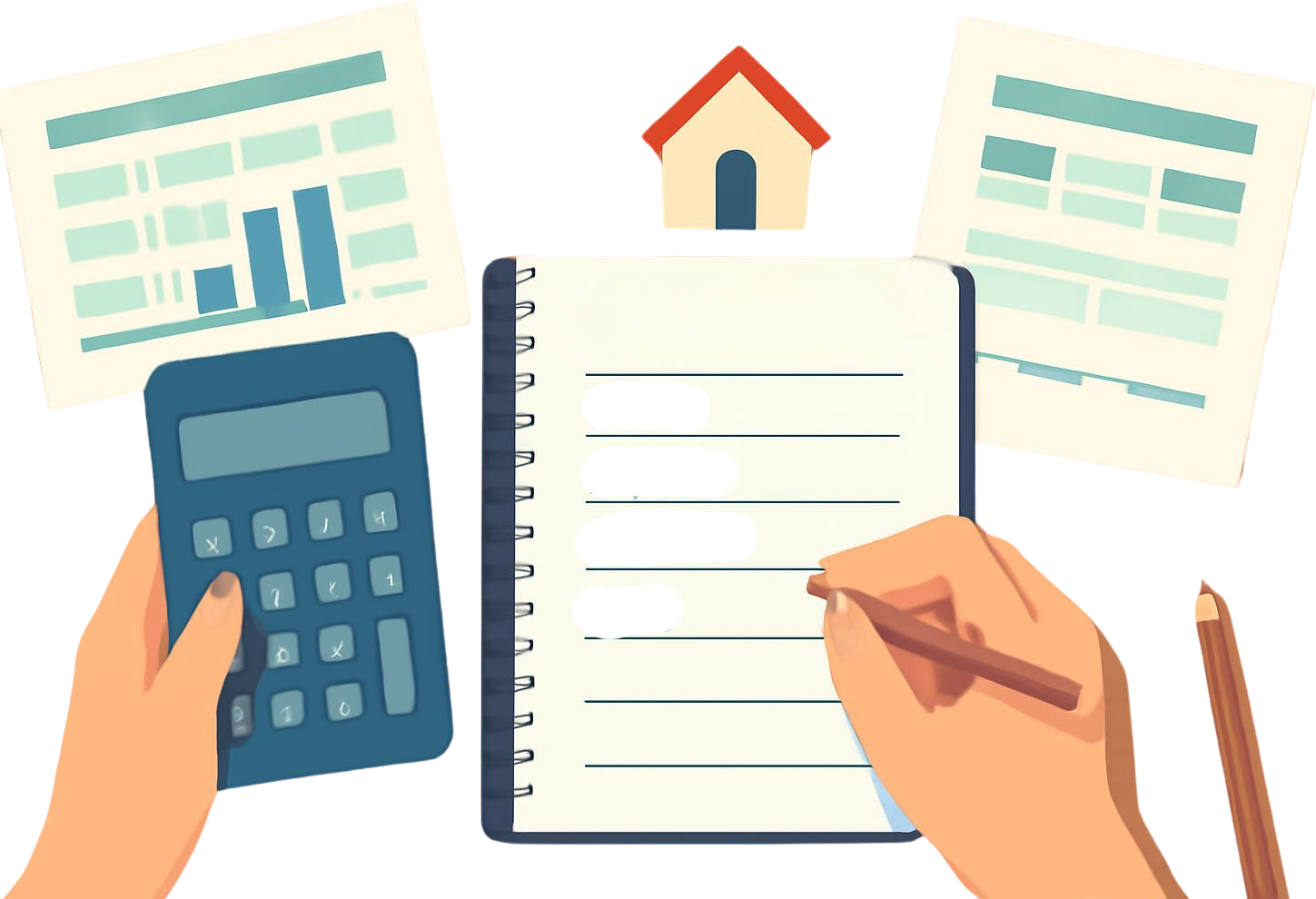
Why the First Year of Homeownership Can Cost More Than Expected
Getting the keys to your first home is exciting, but the financial planning shouldn't stop at closing. Once you become a homeowner, expenses that were previously included in rent—or handled by a landlord—become your responsibility.
The first year can be particularly expensive because you're learning the property, identifying maintenance needs, purchasing items you didn't realize you needed, and potentially making improvements. Even a home that appears move-in ready can have costs that don't become obvious until you've lived there through different seasons.
For buyers in Rhode Island, Massachusetts, and Connecticut, property taxes, heating costs, insurance, and maintenance expenses can vary considerably depending on the home and community. Understanding your likely expenses before you buy can help you determine whether a property truly fits your budget.
Property Taxes, Insurance, and Other Recurring Costs
Your mortgage payment is only one part of the monthly cost of owning a home. Depending on your loan and property, your monthly payment may include principal, interest, property taxes, and homeowners insurance.
Property taxes can be a significant expense, particularly in New England, where tax rates and assessments vary from one municipality to another. Before purchasing, buyers should look at the property's current tax bill and understand that taxes can change over time.
Homeowners insurance protects against covered losses and is generally required by mortgage lenders. The cost depends on factors such as the property, coverage, location, and insurance company.
You should also budget for utilities, including electricity, natural gas or oil, water, sewer, and trash services. A larger home, older heating system, poor insulation, or seasonal temperature changes can significantly affect those costs.
Before buying, ask the seller or your real estate professional for information about typical utility expenses when available. Knowing what the home has historically cost to heat and operate can help you build a more realistic monthly budget.
Maintenance and Repairs Are Now Your Responsibility
One of the biggest differences between renting and owning is responsibility for maintenance. When something breaks in a rental property, you generally call the landlord. When you own the property, you're the person responsible for deciding how and when it gets fixed.
Some expenses are predictable. You may need to service your heating and cooling systems, clean gutters, maintain landscaping, replace filters, or schedule routine inspections.
Other expenses can arrive unexpectedly.
A water heater could fail. An appliance might stop working. A plumbing problem could appear. A roof could require attention. Even relatively minor repairs can become expensive when several happen during the same year.
That doesn't mean every homeowner will face a major repair in the first year. It simply means buyers should avoid using every dollar of available savings for the purchase itself.
A dedicated emergency fund or home maintenance reserve can provide a financial cushion when something unexpected happens.
The Expenses That Make a House Feel Like Your Home
Some first-year costs aren't emergencies or required repairs—they're simply expenses that come with settling into a new home.
You may discover that you need:
- Window treatments
- Additional furniture
- Storage solutions
- Outdoor equipment
- Lawn-care supplies
- Snow-removal equipment
- Tools
- Lighting fixtures
- Security equipment
- Paint and other finishing materials
These purchases can add up quickly, especially when you're furnishing an entire home for the first time.
There's also a temptation to complete every project immediately. A new homeowner may want to repaint the entire house, remodel the kitchen, replace flooring, upgrade landscaping, and furnish every room within the first few months.
Instead, consider living in the home first. You'll learn how you actually use each space and can prioritize improvements based on what matters most.
How Much Should You Budget for Your First Year?
There isn't one universal amount every homeowner should set aside because the appropriate budget depends on the property's age, condition, size, location, and systems.
A newer home may require less immediate maintenance, while an older property could require more attention. A home with a large yard may have higher landscaping costs, while a property with oil heat may have different seasonal expenses than one heated by natural gas.
Before buying, create a first-year homeowner budget that includes both predictable and unexpected expenses.
Consider setting aside money for:
- Property taxes
- Homeowners insurance
- Utilities
- Routine maintenance
- Seasonal maintenance
- Repairs
- Appliances
- Landscaping
- Snow removal
- Home furnishings
- Emergency expenses
- Planned improvements
Most importantly, don't assume that your mortgage payment represents the total cost of homeownership.
A home can be affordable based on the mortgage payment but become financially uncomfortable once taxes, insurance, utilities, maintenance, and repairs are included. Looking at the total cost of owning the property before making an offer can help you choose a home that remains comfortable long after closing day.
Frequently Asked Questions
What are the biggest first-year expenses for new homeowners?
Common expenses include mortgage payments, property taxes, homeowners insurance, utilities, maintenance, repairs, furnishings, and unexpected home-related costs.
How much should I save for home repairs after buying a house?
There is no single amount that works for every homeowner. The appropriate reserve depends on the home's age, condition, systems, and expected maintenance needs. Having an emergency fund specifically for homeownership can provide useful protection.
Are property taxes included in my mortgage payment?
They can be. Many mortgage loans use an escrow account to collect property taxes and homeowners insurance along with the monthly mortgage payment. Other homeowners pay these expenses separately.
What unexpected costs should first-time homeowners prepare for?
Unexpected costs can include appliance failures, plumbing problems, heating or cooling repairs, leaks, electrical issues, and other maintenance needs. Having cash reserves can make these situations much easier to handle.
Should I renovate my home immediately after buying it?
Not necessarily. Unless a repair is necessary for safety or functionality, living in the home for a while can help you determine which improvements are actually worth prioritizing.
Thinking about buying?
Let's talk through your numbers first.
A 30-minute call covers what you can afford comfortably, what taxes and insurance really cost in the town you're looking at, and which loan programs fit you. You work directly with Alexander from the first call to closing.
Schedule a buyer callEnglish or Spanish · Call or text 401-426-4857 · Contact form
196 Waterman St, Providence, RI 02906 · C: (401) 426-4857 · O: (401) 351-2017 · [email protected] · alexparmenidez.realtor
Check out this article next
Los Gastos del Primer Año de Ser Propietario de una Vivienda que Debes Planificar
Comprar una vivienda implica mucho más que ahorrar para el pago inicial y los costos de cierre
Read Article